The final pathogen monitoring session of the month took place on Thursday, August 27th. Each week during the summer, from May to October, the Lower Raritan Watershed Partnership and Rutgers Cooperative Extension of Middlesex County run a volunteer-based monitoring program along the Raritan River. We collect water quality samples at six non-bathing public access beach sites, provide our samples to the Interstate Environmental Commission for analysis in their laboratory, and report the results to the public. Our mission is to share this data with the community and partners to ensure the safe use of the Raritan River for all.
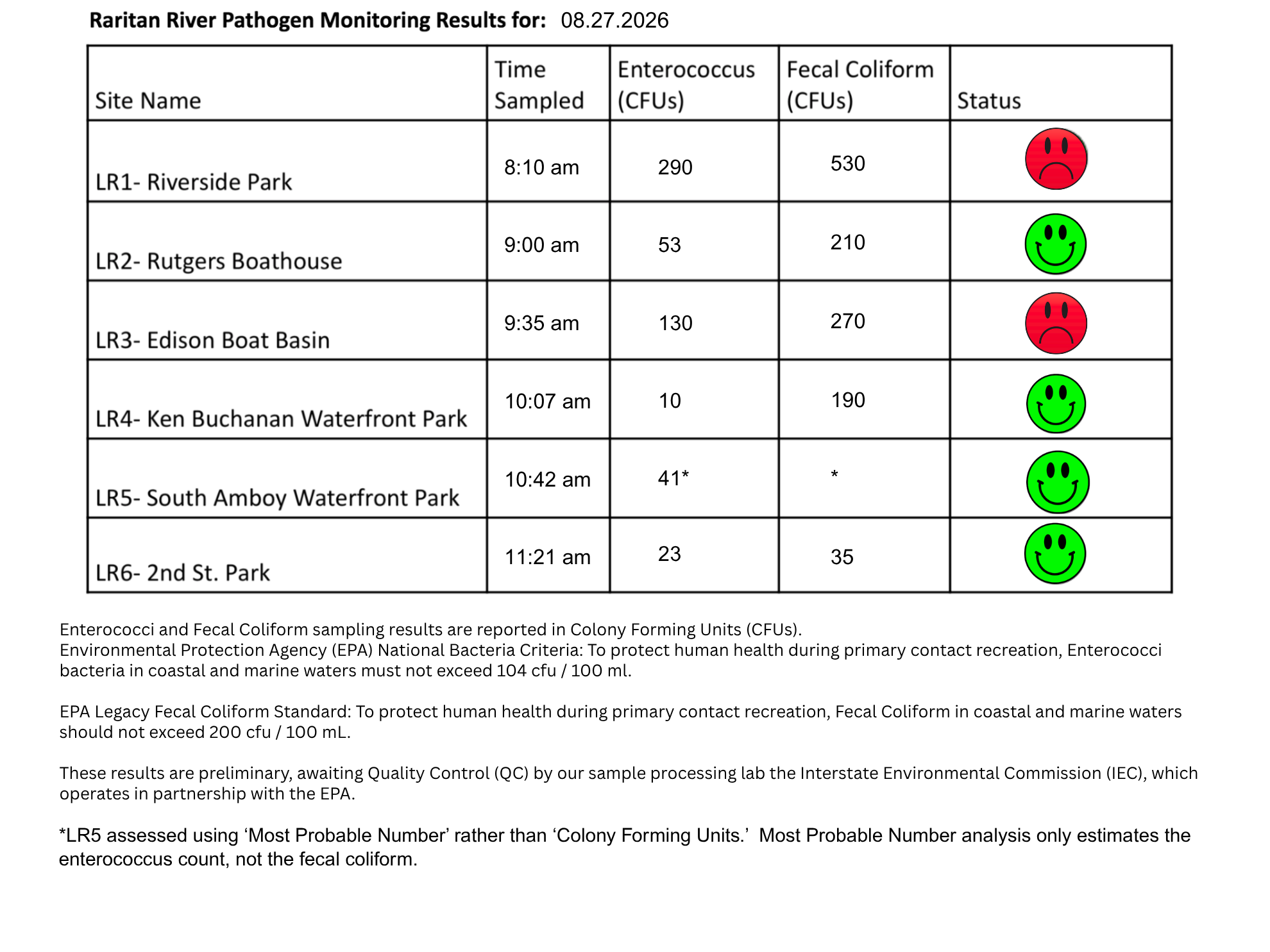
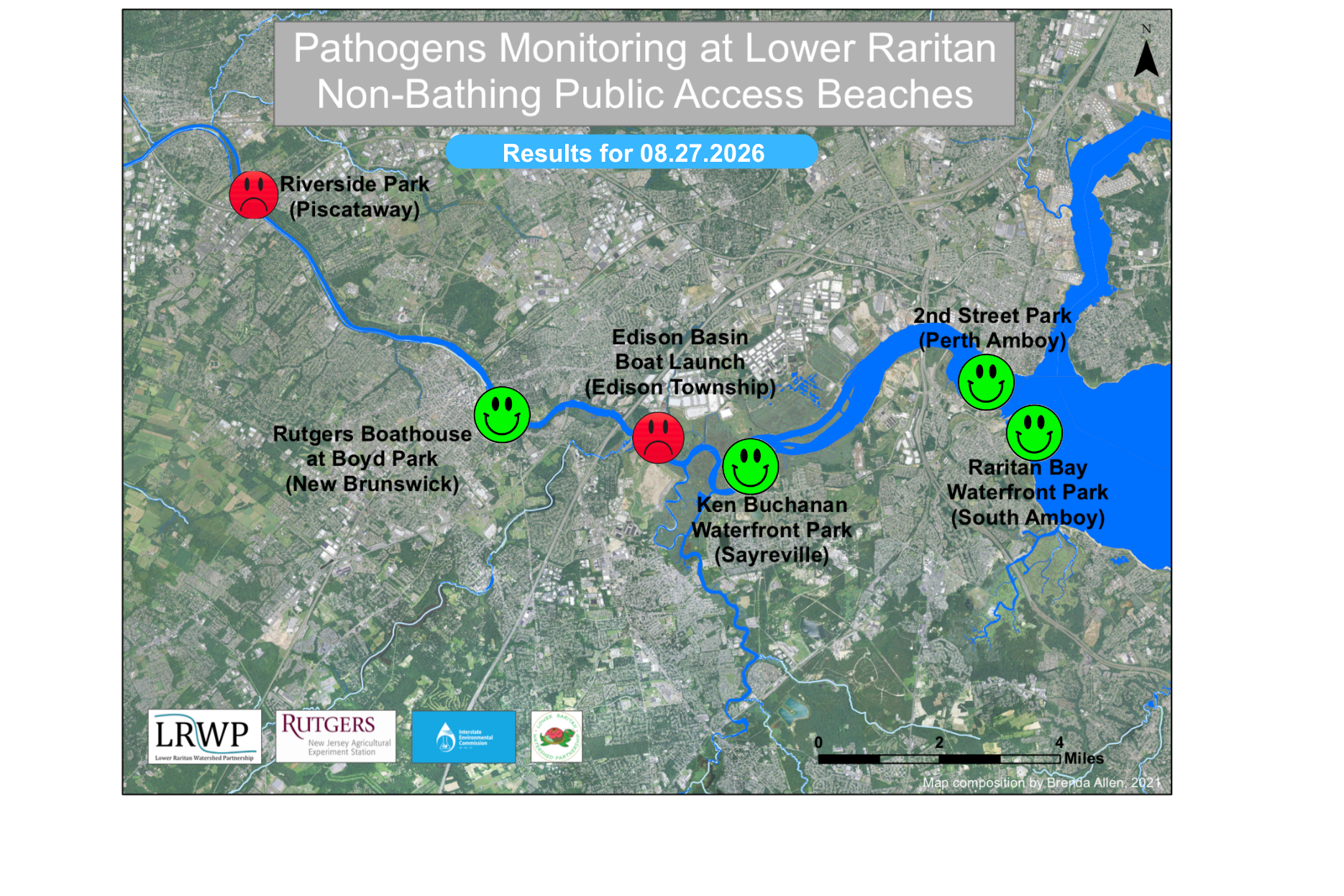
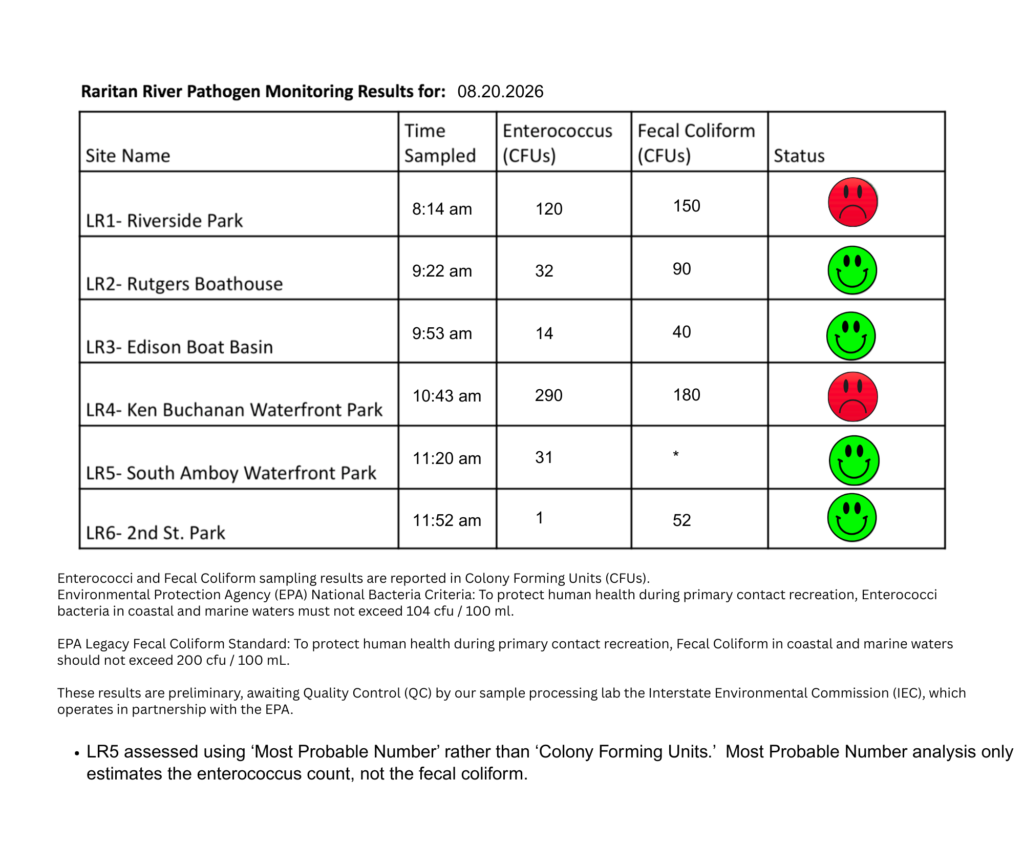
Our lab results for water quality samples taken on Thursday, August 27th, 2026, show Enterococcus bacteria levels exceeding the EPA federal water quality standard of 104 cfu/100mL at two of our regular monitoring sites this week. The problem sites are indicated by the red frown on the map and chart and include Riverside Park (Piscataway) and Edison Boat Basin.
Green smiles on the chart and map indicate the sites with bacteria levels safe for recreation and include the following: Rutgers Boat House (New Brunswick), Ken Buchanan Waterfront Park (Sayreville), 2nd Street Park (Perth Amboy), and South Amboy Waterfront Park.
A note of caution about all our sites: a strong thunderstorm swept through the area after we completed pathogens monitoring on Thursday, and this often flushes enterococci and fecal into the river. Thus, if we had tested on Friday instead of Thursday, we suspect these sites may have failed to meet the EPA standard for primary contact.
Pathogens/Enterococci levels are used as indicators of the possible presence of disease-causing bacteria in recreational waters. Such pathogens may pose health risks to people coming in primary contact with the water (touching) through recreational activities like fishing, kayaking or swimming in a water body. Possible sources of bacteria include Combined Sewer Overflows (CSOs), improperly functioning wastewater treatment plants, stormwater runoff, leaking septic systems, animal carcasses, pet waste, wildlife waste, and runoff from manure storage areas.
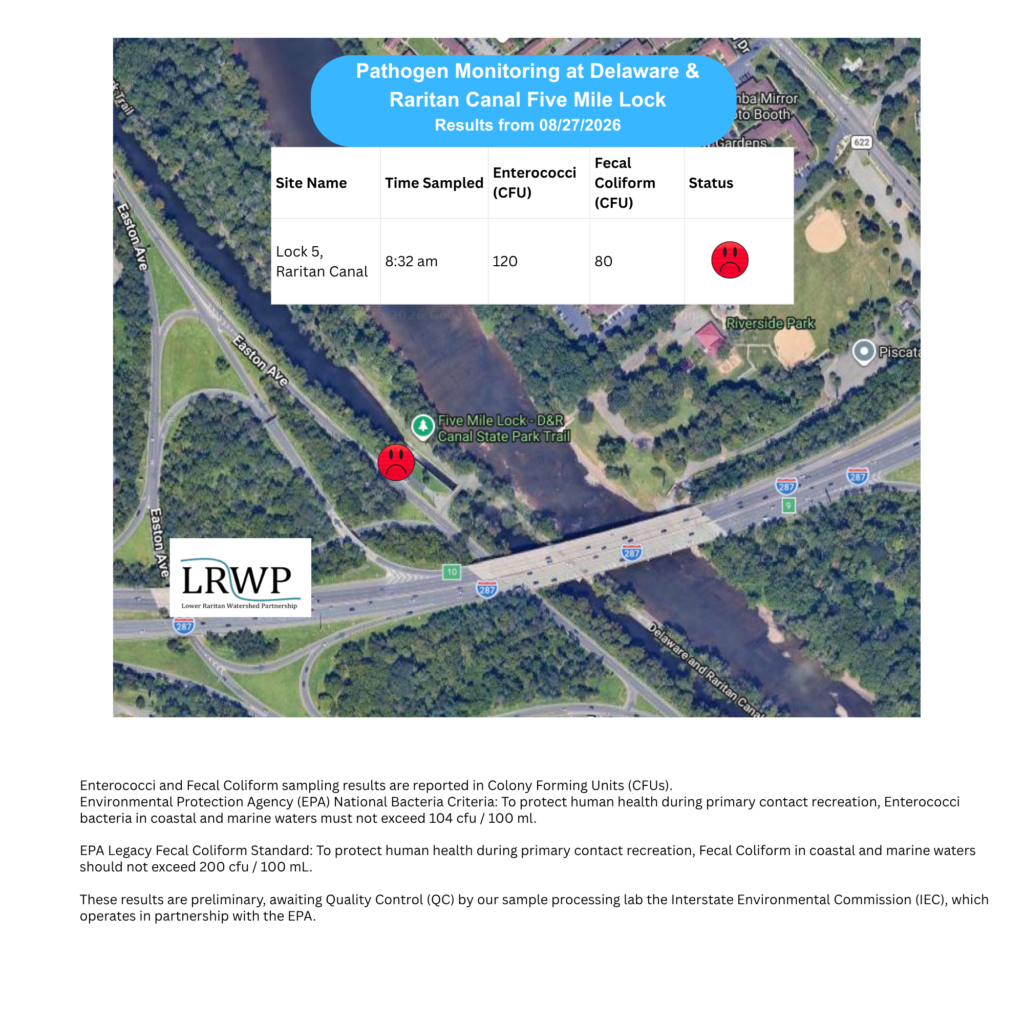
In order to better understand why Riverside Park, Piscataway has been our worst performing site over the past six years, we have started sampling at new sites in the vicinity. On August 27th, we sampled the Raritan Canal Lock 5, Somerset County for a fourth time since we started pathogens monitoring this season. The lab analysis produced 120 enterococci cfu per 100mL which fails to meet the EPA federal water quality standard of 104 cfu/100mL. For the first time, a canal site has failed the test!
Our goal in reporting these results is to give residents a better understanding of the potential health risks related to primary contact during water-based recreation. If you are planning on recreating on the Raritan this weekend, make sure to stay safe and wash up after any activities!
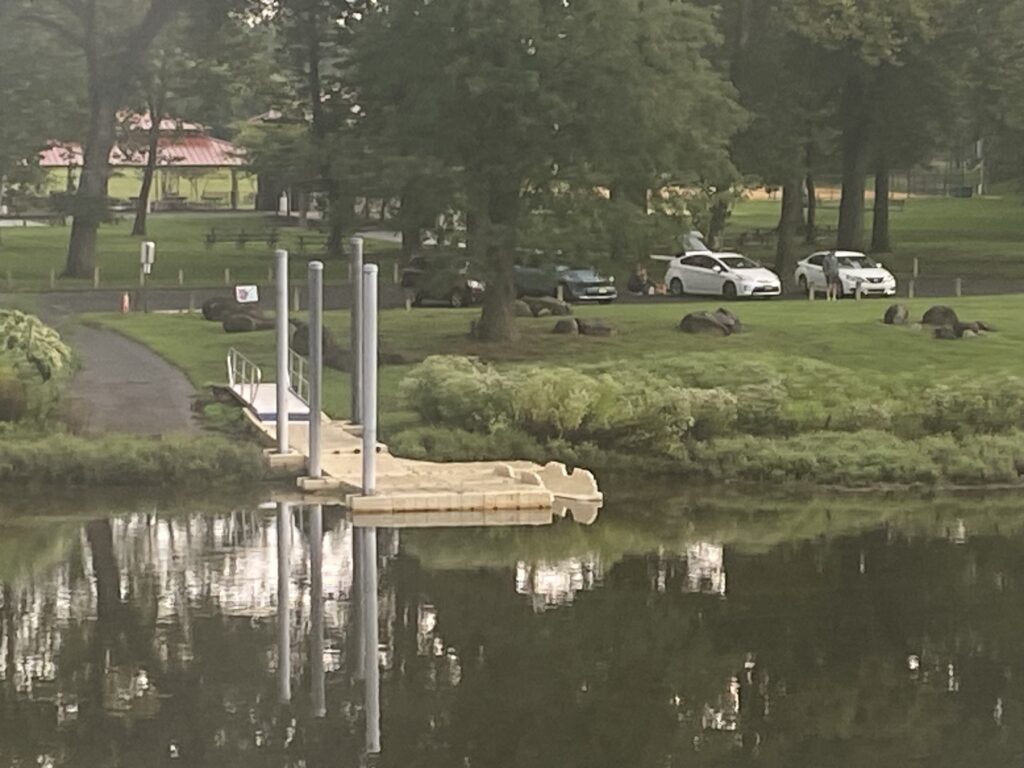
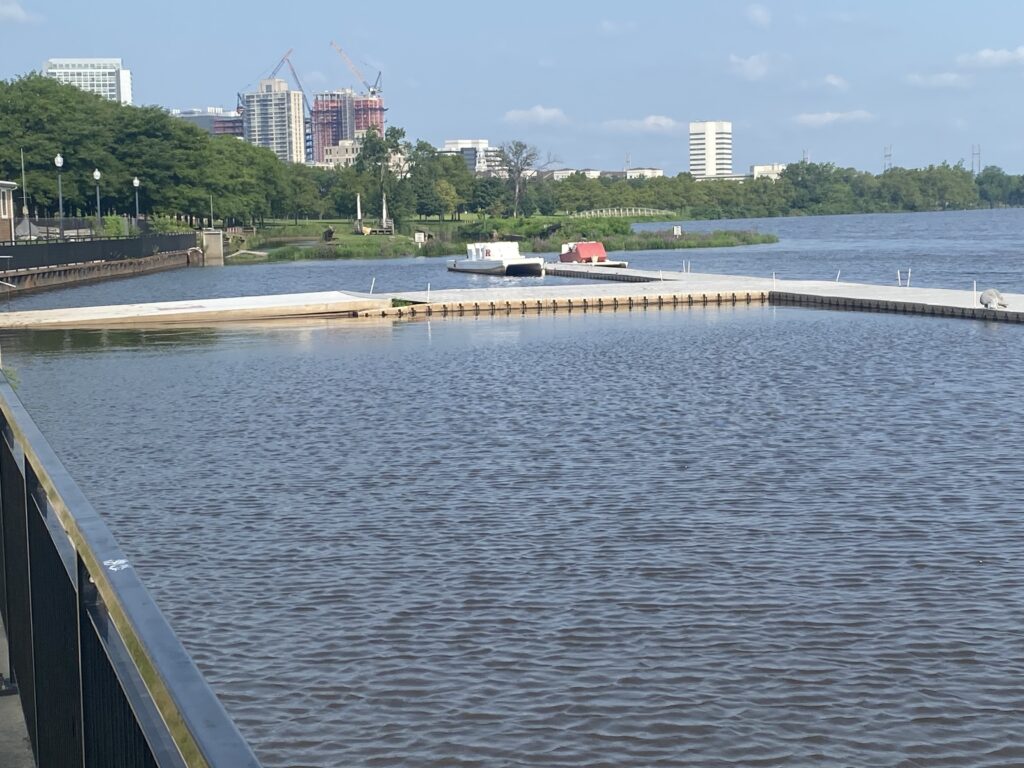
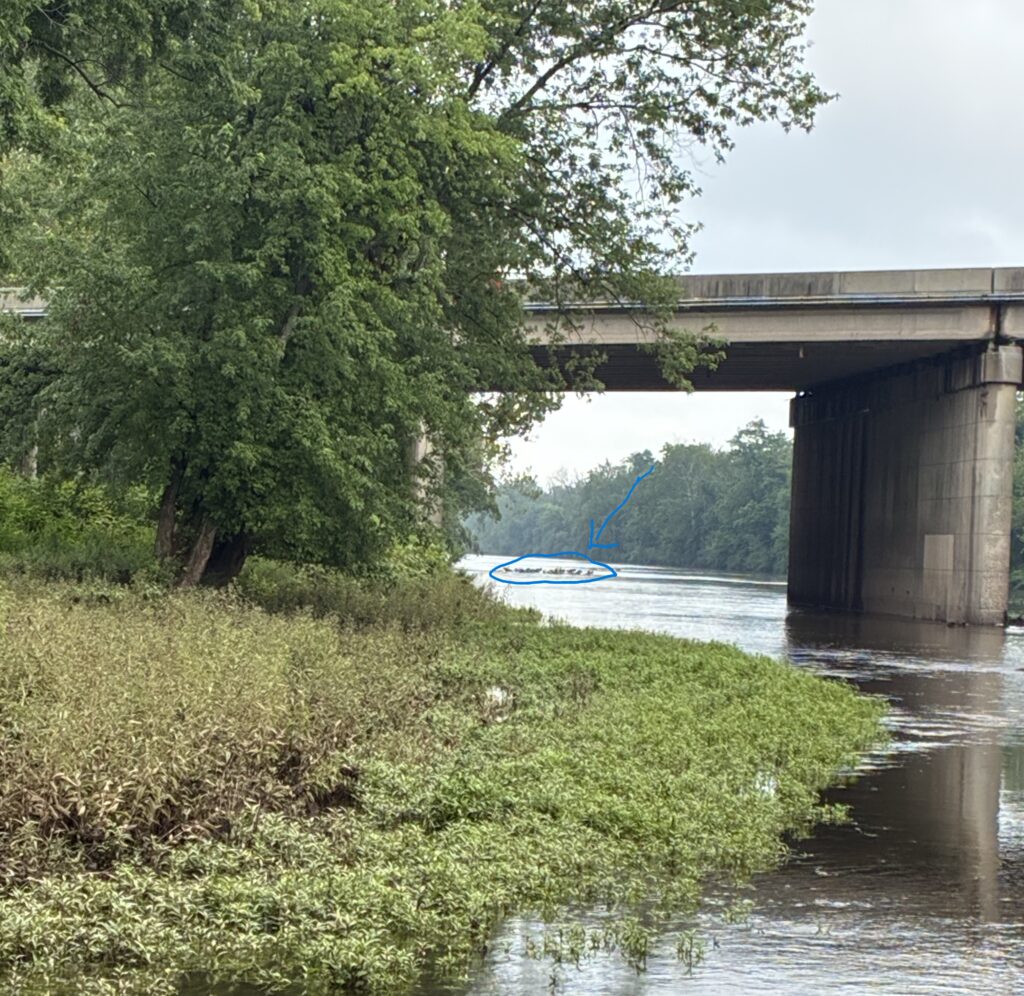
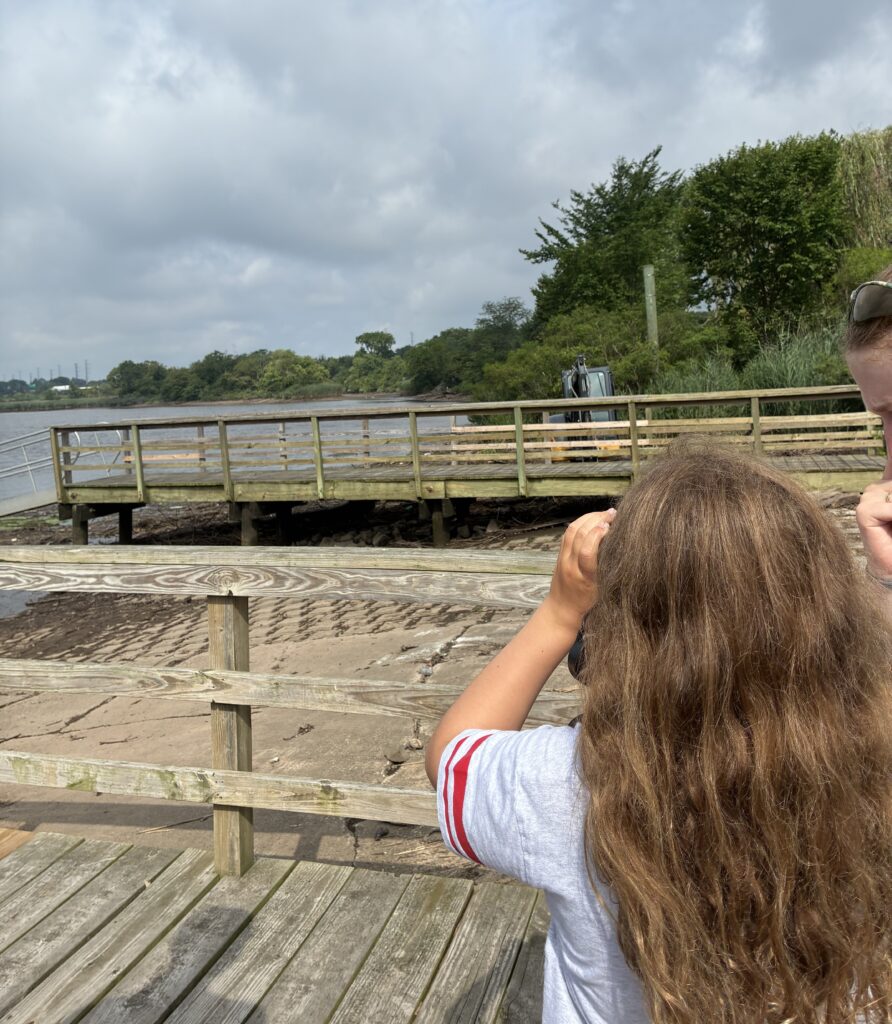
Mike Orsini captured this photo of Riverside Park, Piscataway, from the far shore. From this angle, you can better understand how the plastic ‘floating docks’ along the Raritan are designed to rise and fall with the waters.The large steel piers hold the dock in place.
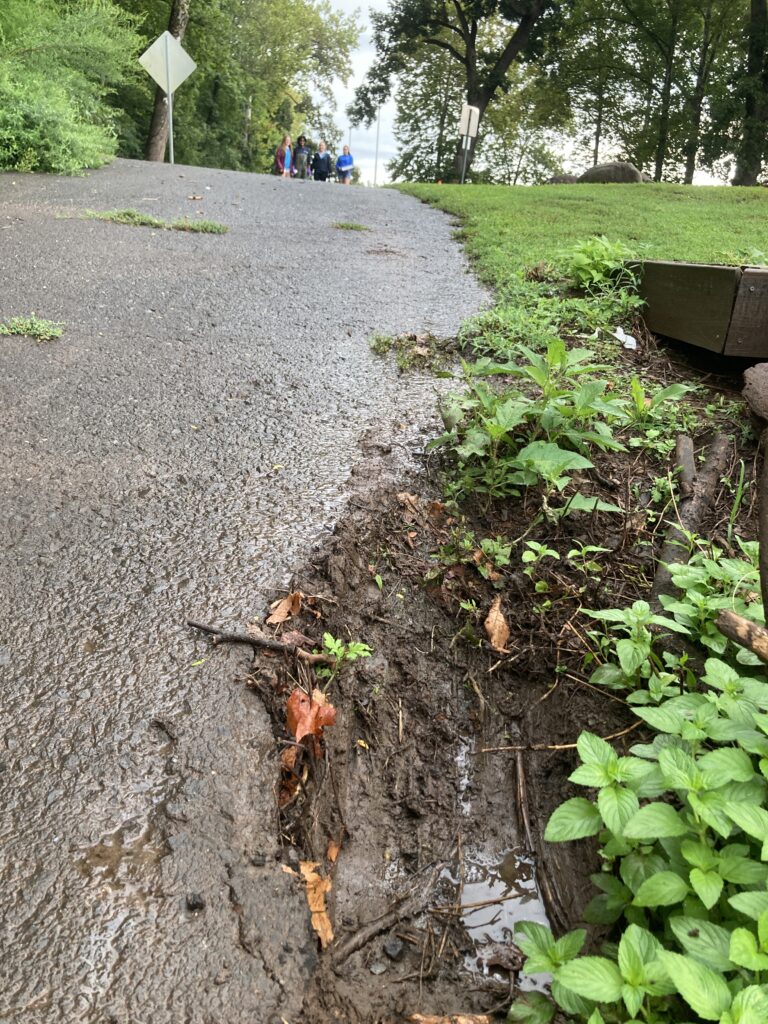
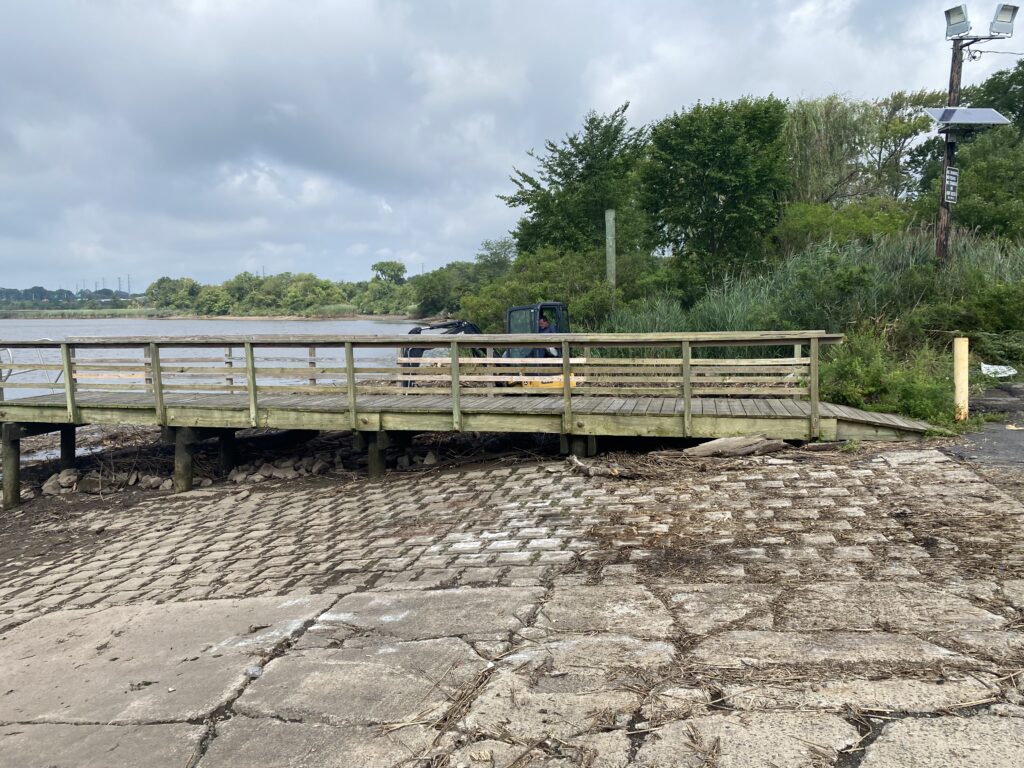
The asphalt boat ramp at Piscataway is starting to erode away and slide into the river due to stormwater runoff from the parking lot. There are some easy fixes for this, like small settlement ponds, rip rap stone, and rain gardens.
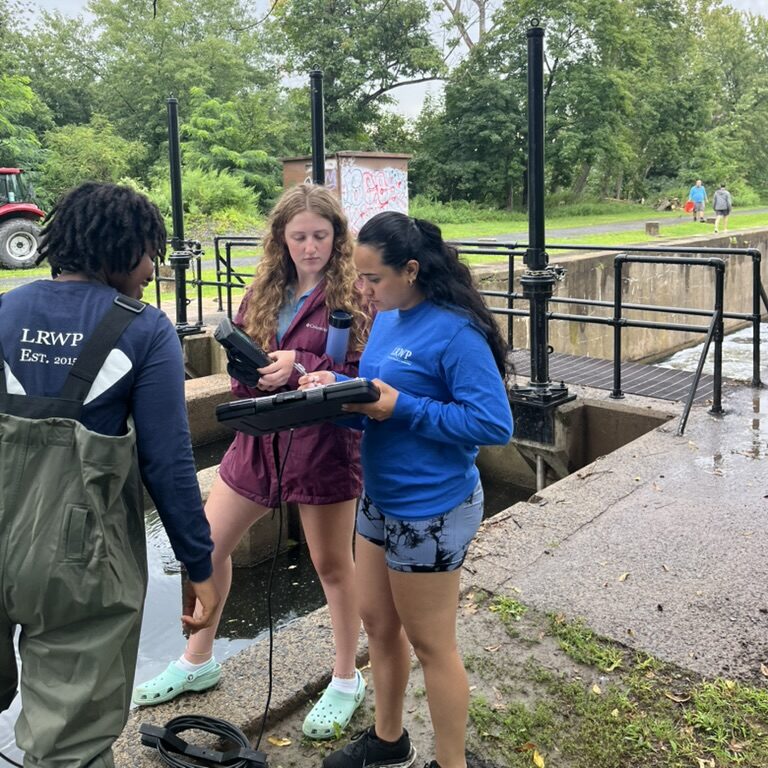
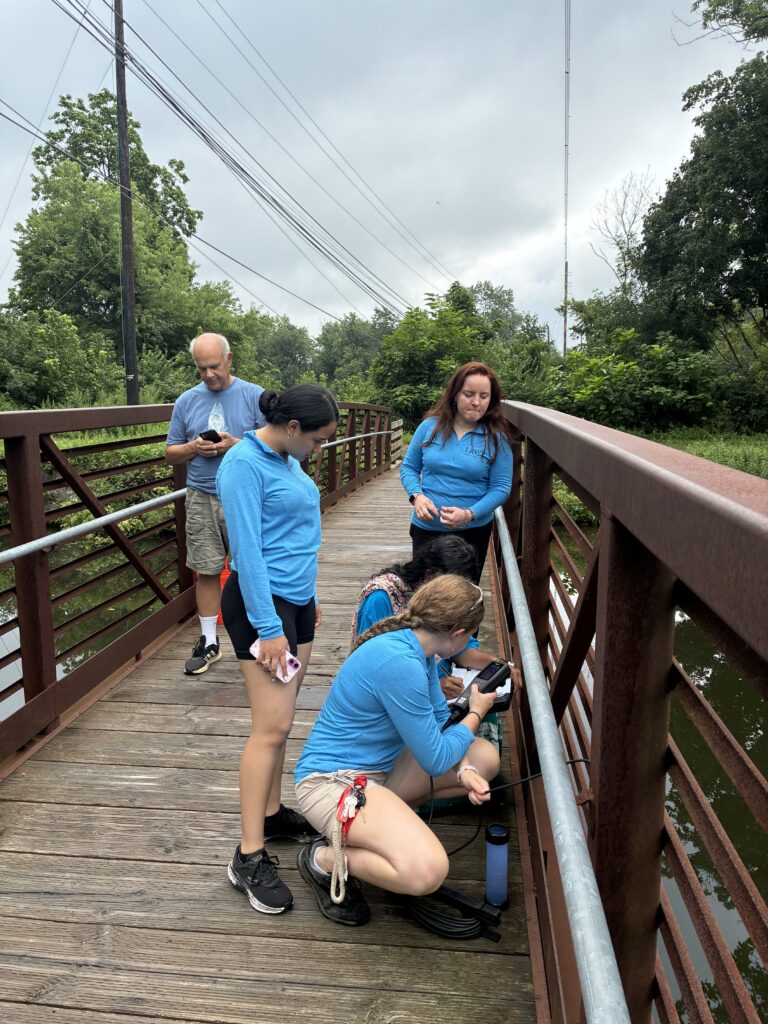
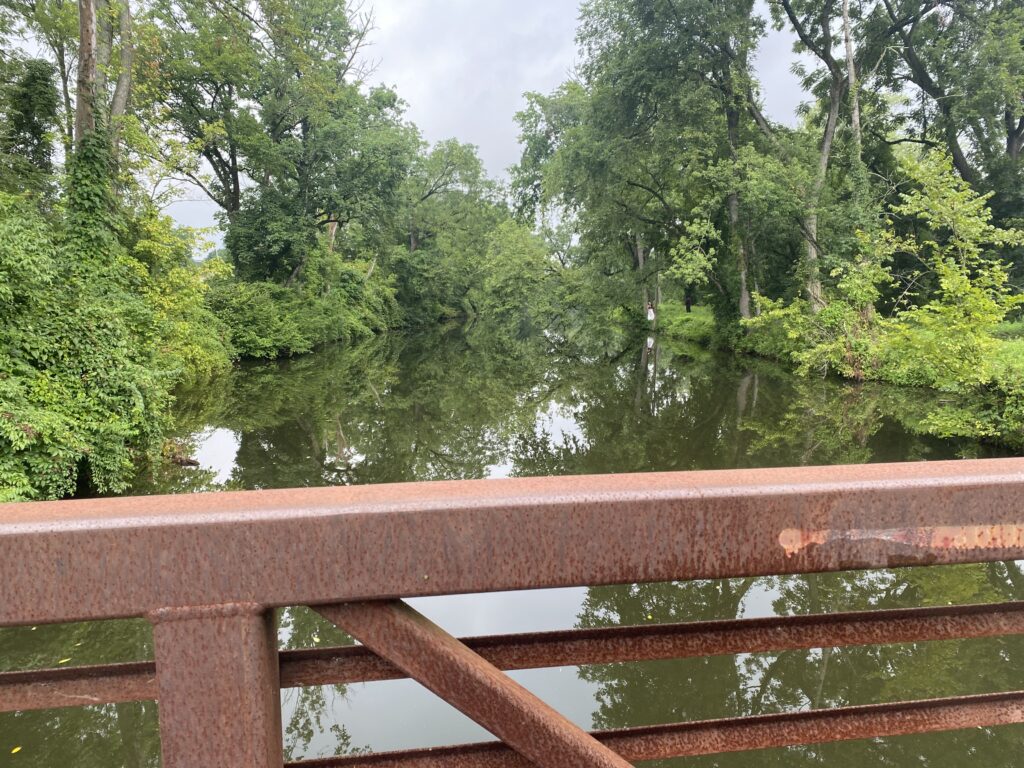
In this photo from Olesya Nabakova, we see Endurance, Ashley, and Paula record results from the sonde. In the background, Mike and John collect trash on the far shore of the canal. This image looks quiet, but the roar of Lock 5 was quite loud.
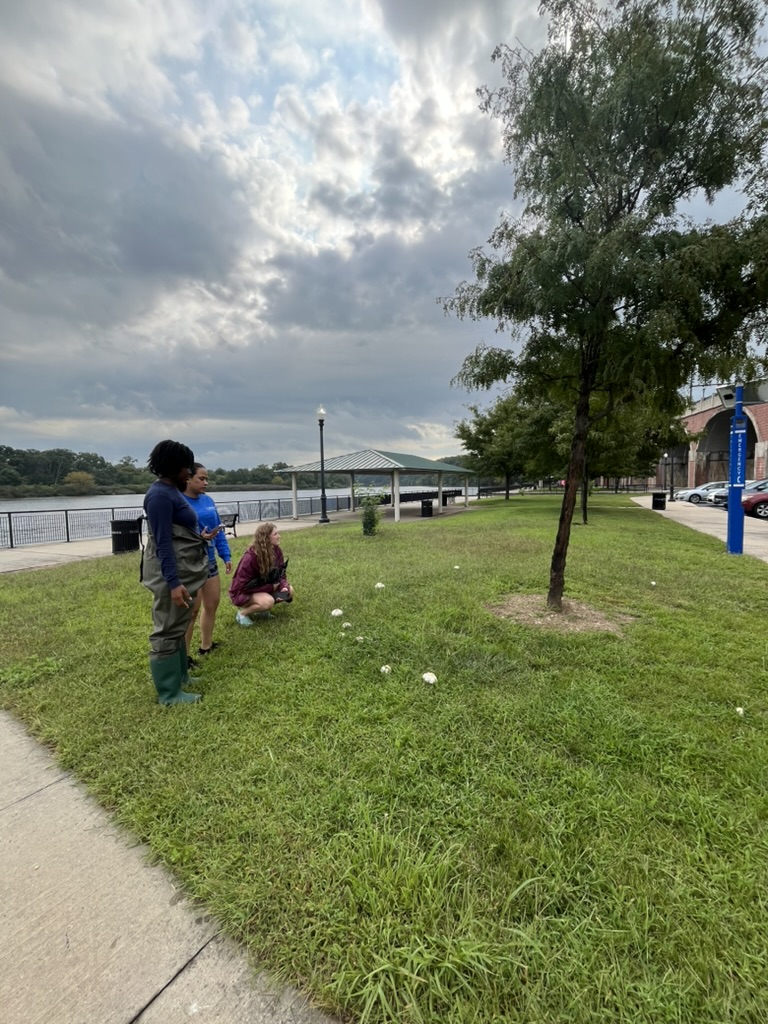
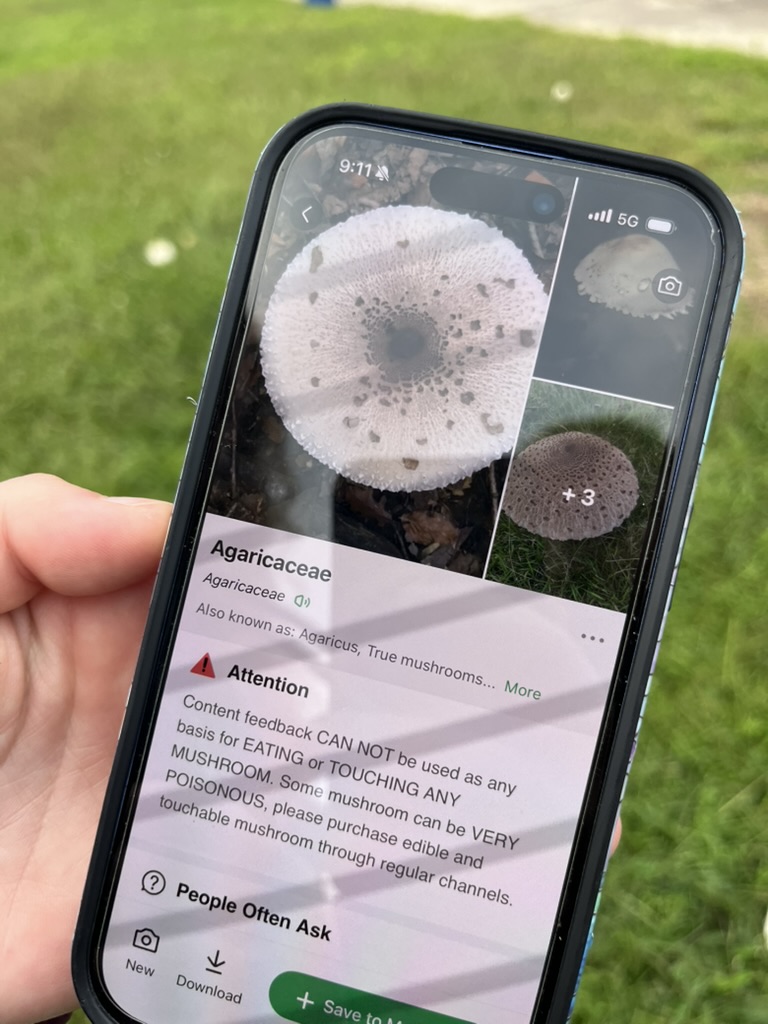
The team was captivated by the mushrooms that sprang up in a circle around a honey locust tree in New Brunswick. Photo by Olesya Nabakova.
Many ‘organism identification’ apps will not try to identify mushrooms because it is too easy to mistake poisonous mushrooms with edible mushrooms.
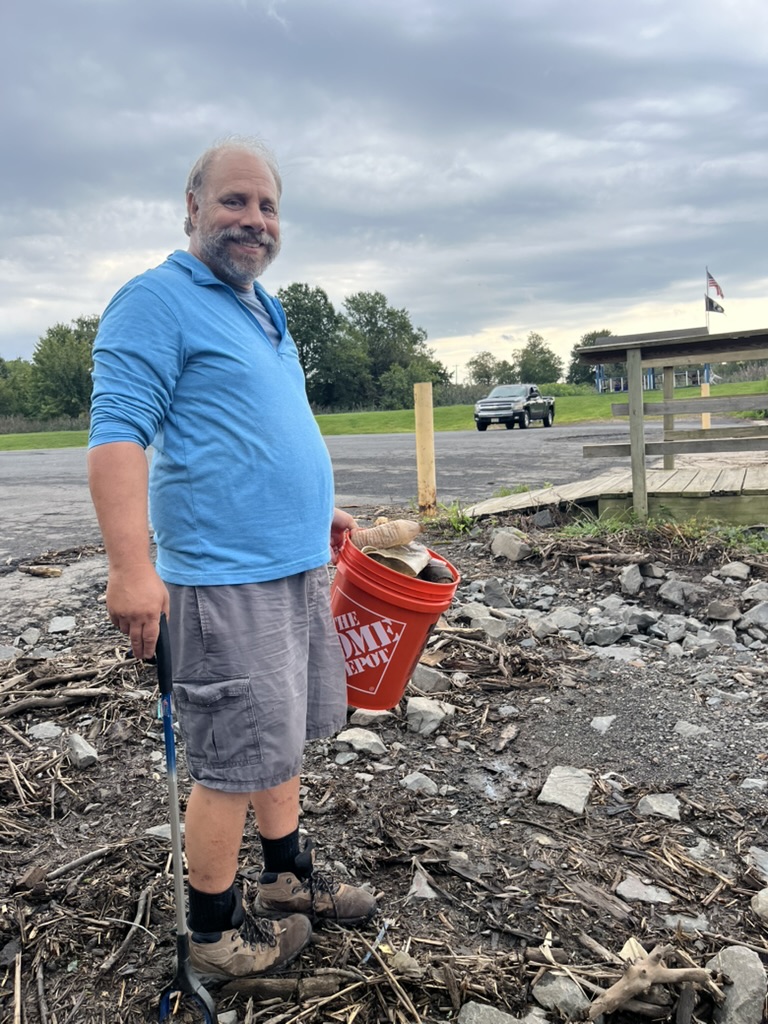
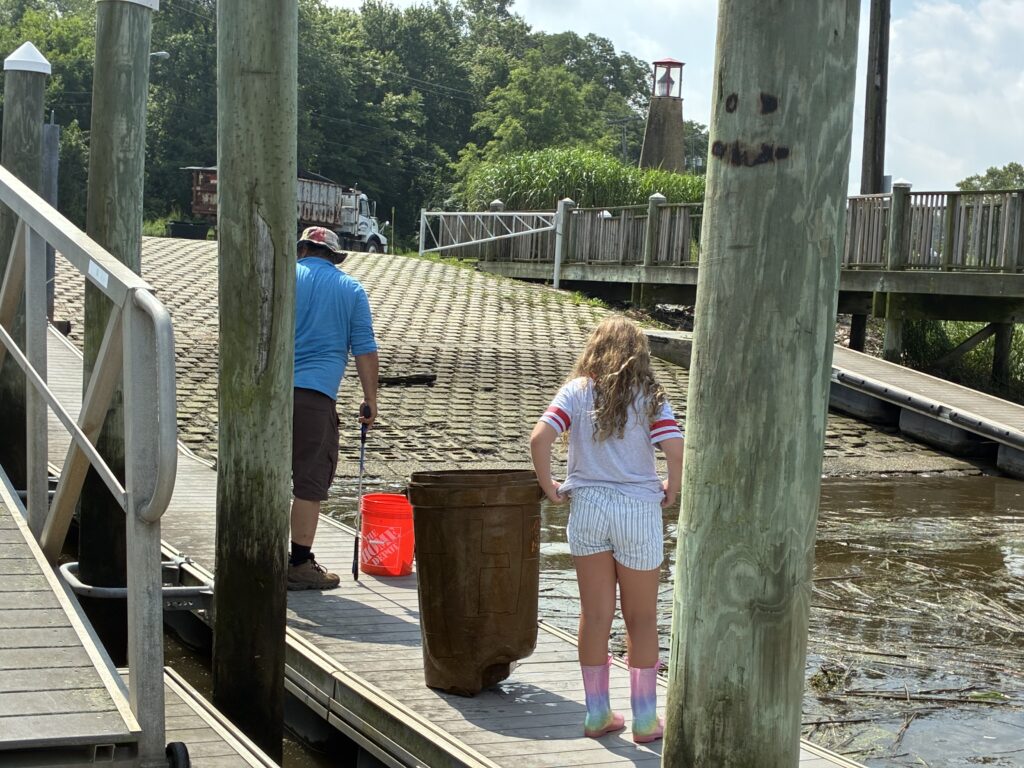
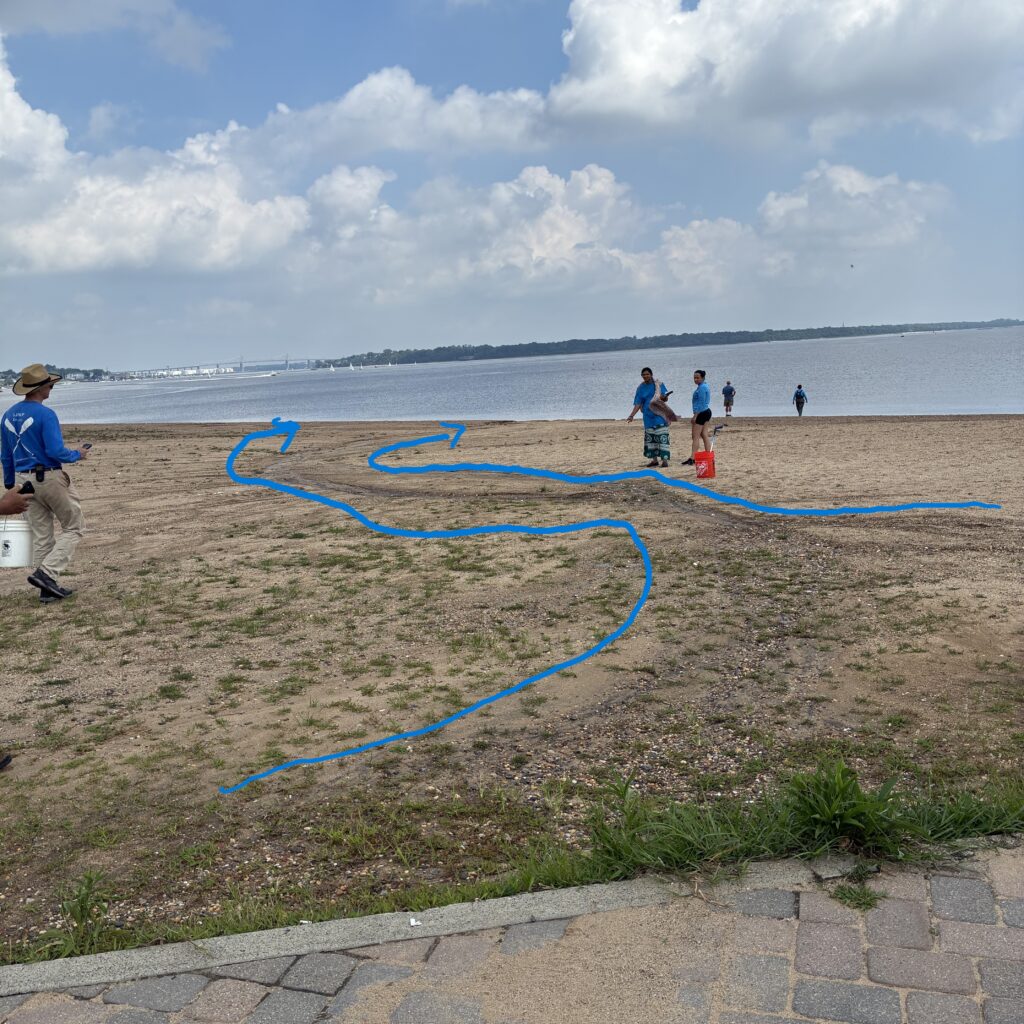
Mike has become the relentless litter gatherer of our group. Here he sweeps the shore in Edison. The five gallon buckets help us measure how much we have cleaned up. Photo by Olesya Nabokova.
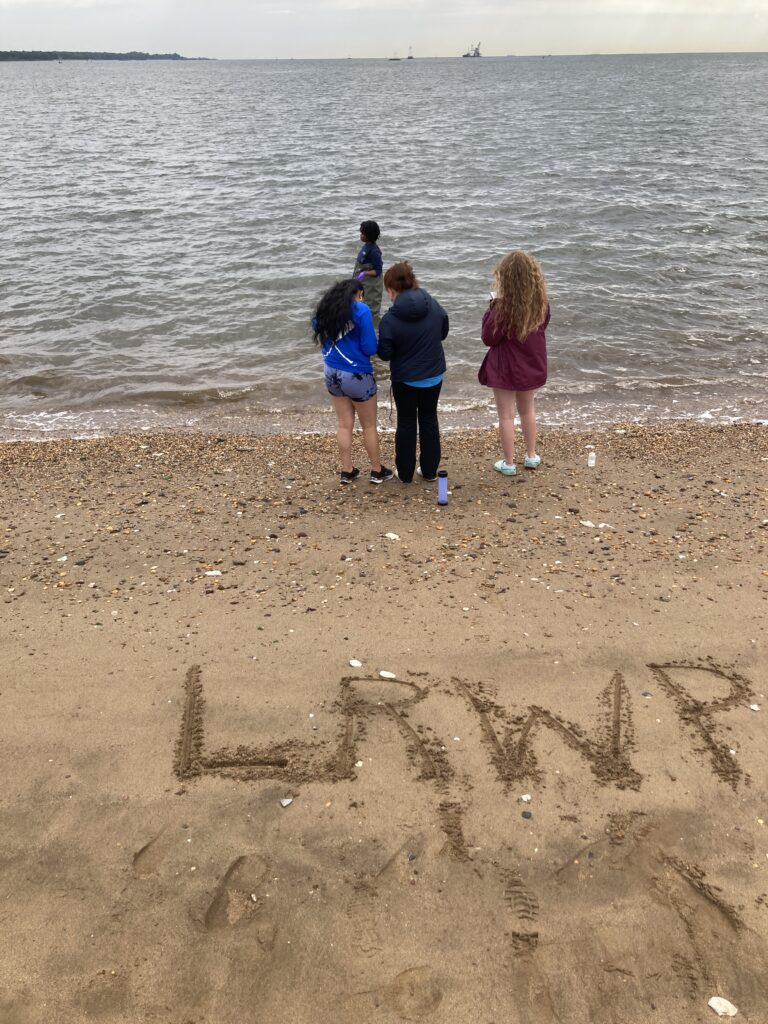
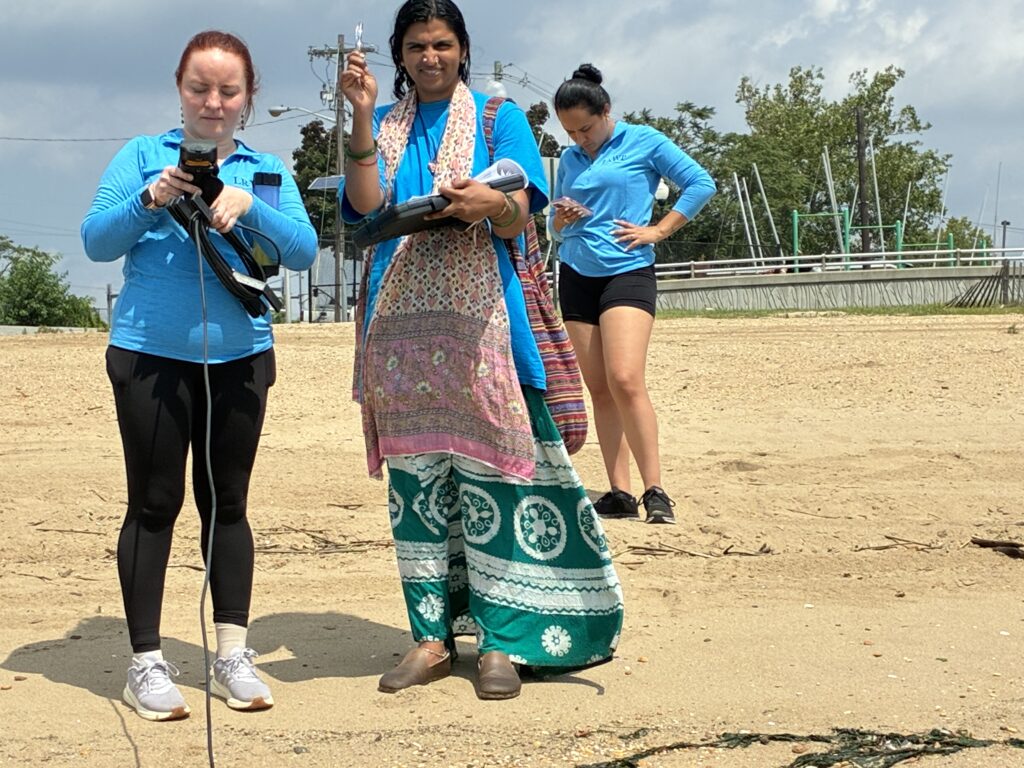
Paula, Endurance, Olesya, and Ashley record the sonde results after ‘tagging’ LRWP in the sands of South Amboy.
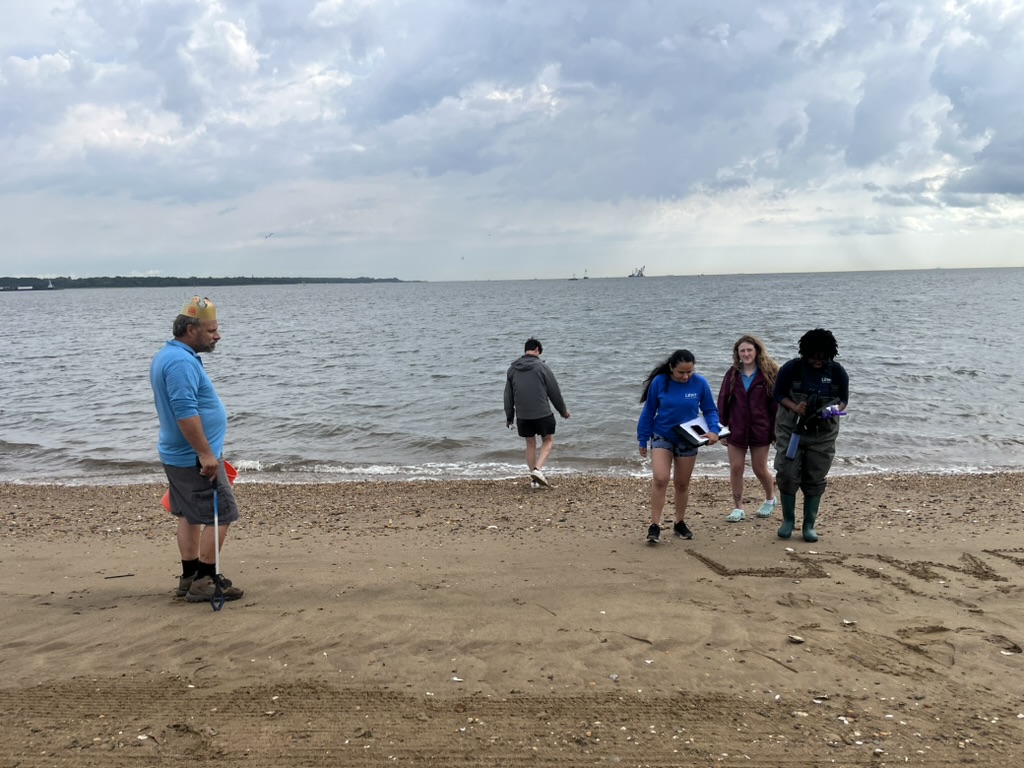
Mike became the ‘Burger King’ of South Amboy after finding a paper crown in the parking lot. A fact that regularly amazes the team is how many people leave their litter behind.Photo by Olesya Nabokova.
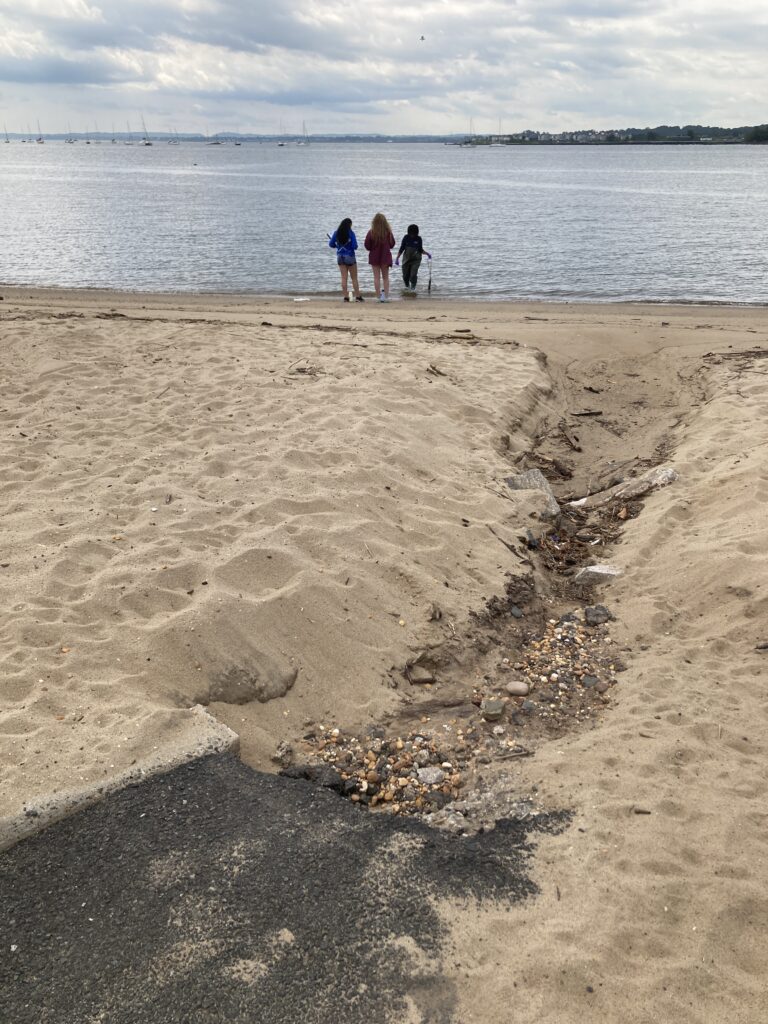
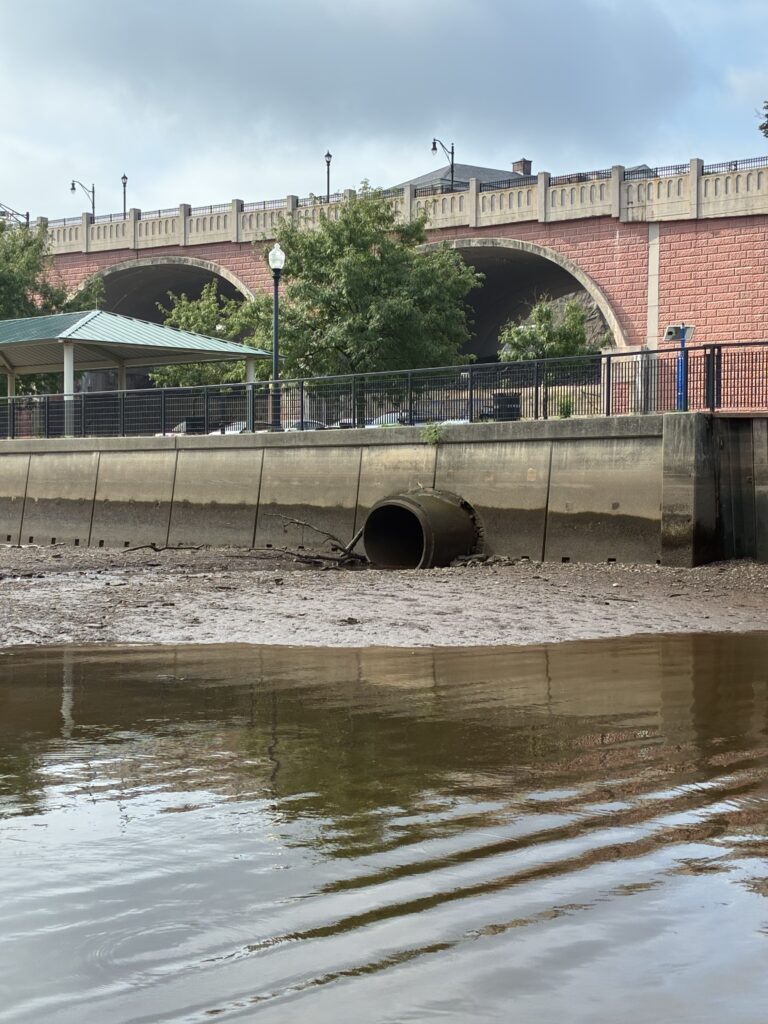
Runoff from the boat ramp in Perth Amboy is eroding the beach and exposing a gravel subsurface, as well as buried baby wipes and sanitary products from the nearby combined sewer outfall.
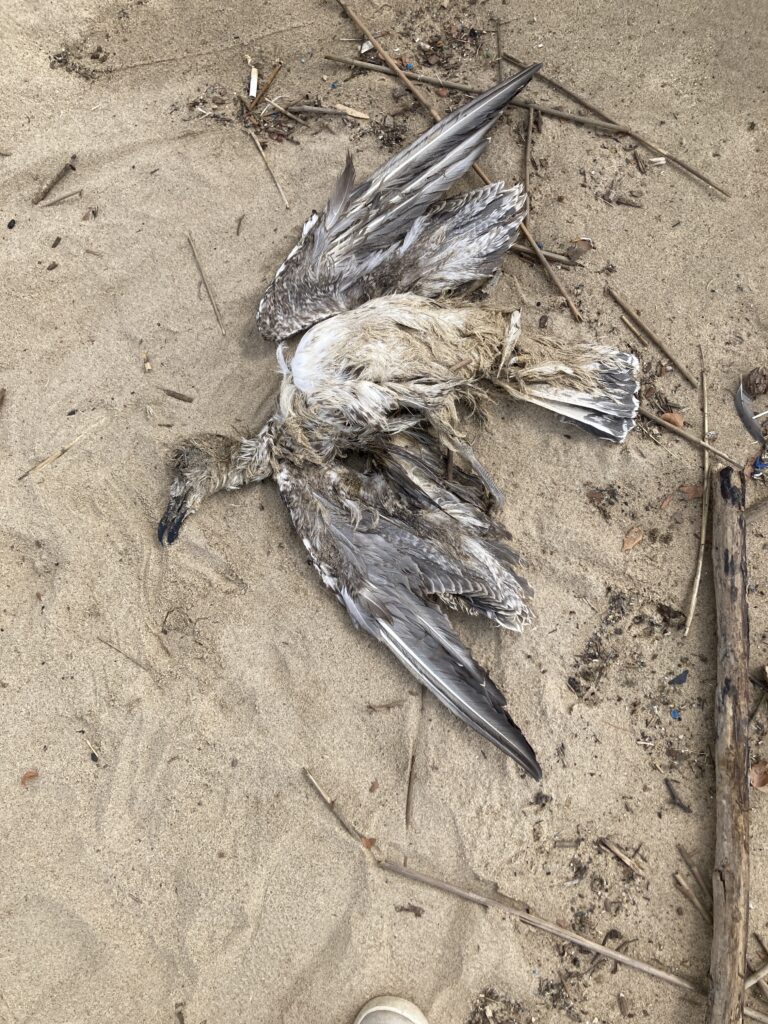
A dead juvenile seagull on the beach in Perth Amboy.
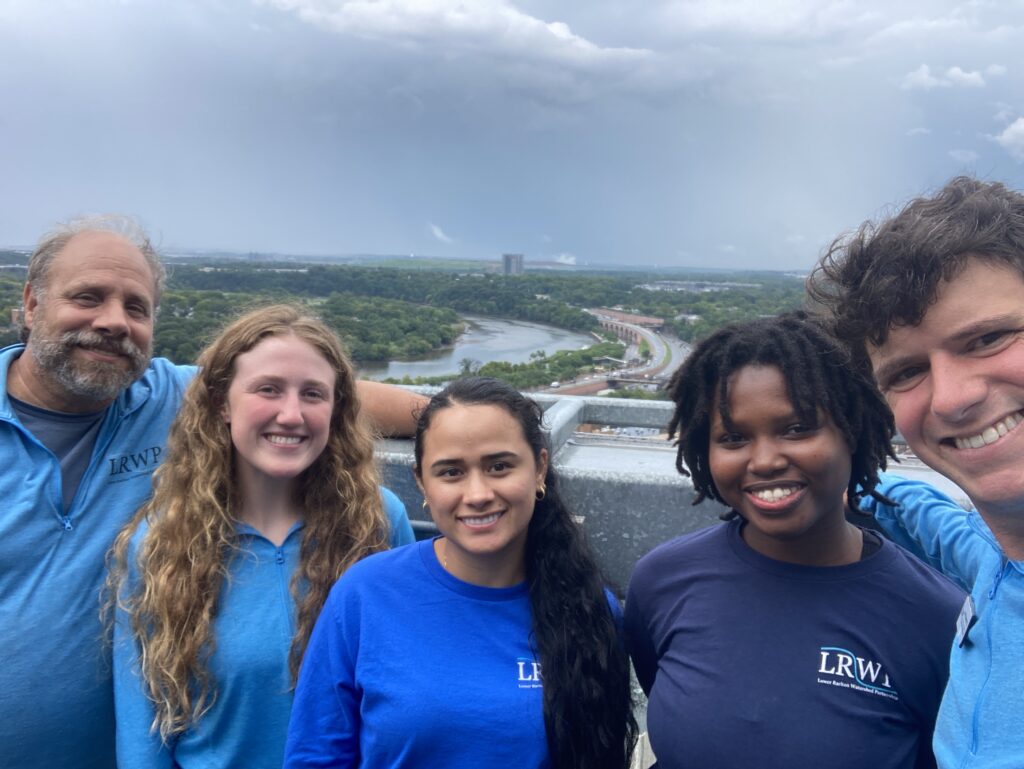
After the water monitoring session, Mike, Ashley, Paula, Endurance and John said ‘farewell’ to August by viewing the Raritan River from downtown New Brunswick.
We also wish Ashley and Endurance a spectacular ‘good luck’ as they head into another semester at Rutgers! They contributed tremendously to the success of this year’s pathogens monitoring program, and we can’t wait to see what they do next! The Lower Raritan Watershed Partnership is so thankful to have such tremendous and dedicated group!
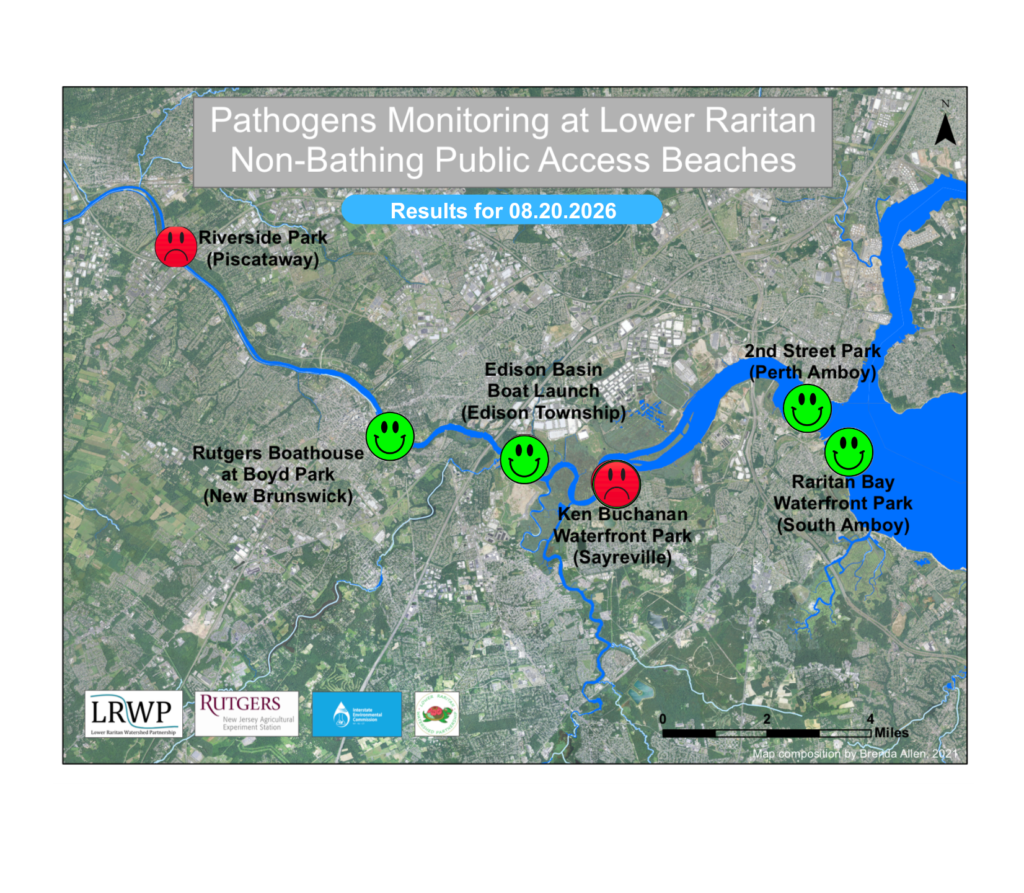
The third pathogen monitoring session of the month took place on Thursday, August 20th. Each week during the summer, from May to October, the Lower Raritan Watershed Partnership and Rutgers Cooperative Extension of Middlesex County run a volunteer-based monitoring program along the Raritan River. We collect water quality samples at six non-bathing public access beach sites, provide our samples to the Interstate Environmental Commission for analysis in their laboratory, and report the results to the public. Our mission is to share this data with the community and partners to ensure the safe use of the Raritan River for all.
Our lab results for water quality samples taken on Thursday, August 20th, 2026, show Enterococcus bacteria levels exceeding the EPA federal water quality standard of 104 cfu/100mL at two of our regular monitoring sites this week. The problem sites are indicated by the red frown on the map and chart and include Riverside Park (Piscataway) and Ken Buchanan Waterfront Park (Sayreville).
Green smiles on the chart and map indicate the sites with bacteria levels safe for recreation and include the following: Rutgers Boat House (New Brunswick), Edison Boat Basin (Edison), 2nd Street Park (Perth Amboy), and South Amboy Waterfront Park.
A note of caution about Edison and New Brunswick: a strong thunderstorm swept through the area after we completed pathogens monitoring on Thursday, and this often flushes enterococci and fecal into the river. Thus, if we had tested on Friday instead of Thursday, we suspect these sites may have failed to meet the EPA standard for primary contact.
Pathogens/Enterococci levels are used as indicators of the possible presence of disease-causing bacteria in recreational waters. Such pathogens may pose health risks to people coming in primary contact with the water (touching) through recreational activities like fishing, kayaking or swimming in a water body. Possible sources of bacteria include Combined Sewer Overflows (CSOs), improperly functioning wastewater treatment plants, stormwater runoff, leaking septic systems, animal carcasses, pet waste, wildlife waste, and runoff from manure storage areas.
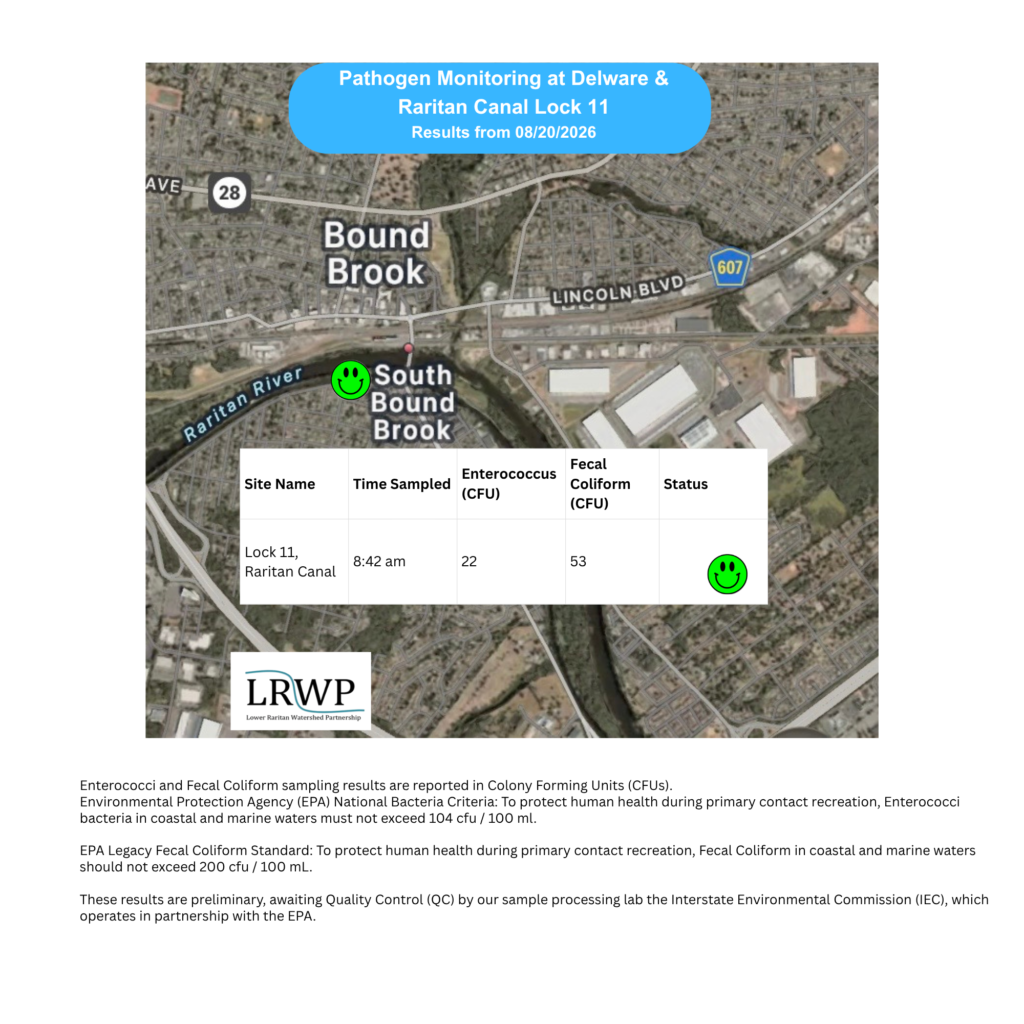
In order to better understand why Riverside Park, Piscataway has been our worst performing site over the past six years, we have started sampling at new sites in the vicinity. On August 20th, we sampled the Raritan Canal Lock 11, South Bound Brook for a fourth time since we started pathogens monitoring this season. The lab analysis produced 22 enterococci cfu per 100mL which is well below the EPA federal water quality standard of 104 cfu/100mL. Again, this site passed the test, as it has every week that we’ve tested it.
Our goal in reporting these results is to give residents a better understanding of the potential health risks related to primary contact during water-based recreation. If you are planning on recreating on the Raritan this weekend, make sure to stay safe and wash up after any activities!
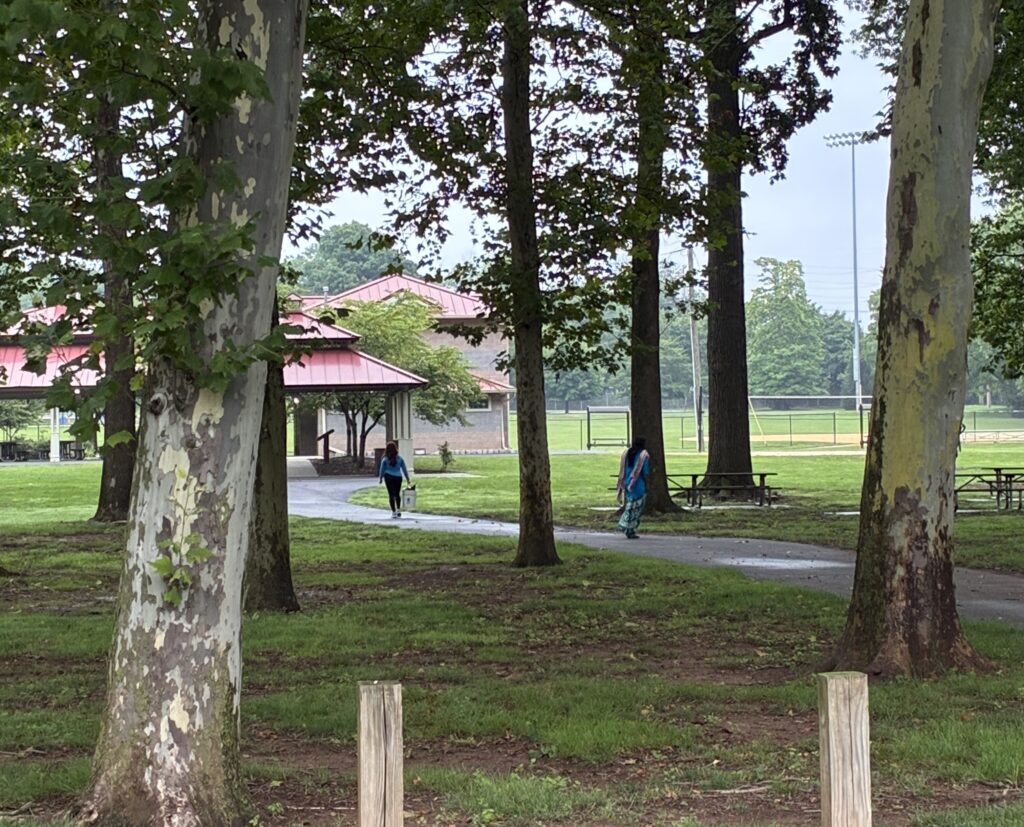
We began with a beautiful, sun shiny day in Piscataway.
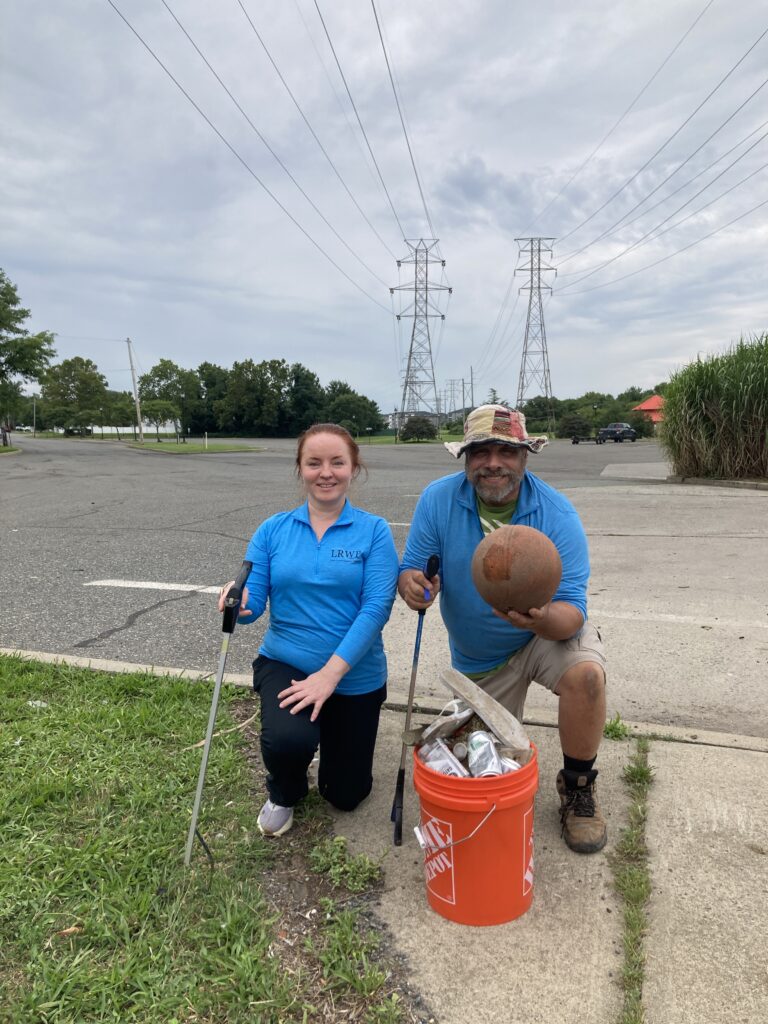
Including the basketball, Olesya and Mike picked up about seven gallons of trash in Sayreville.
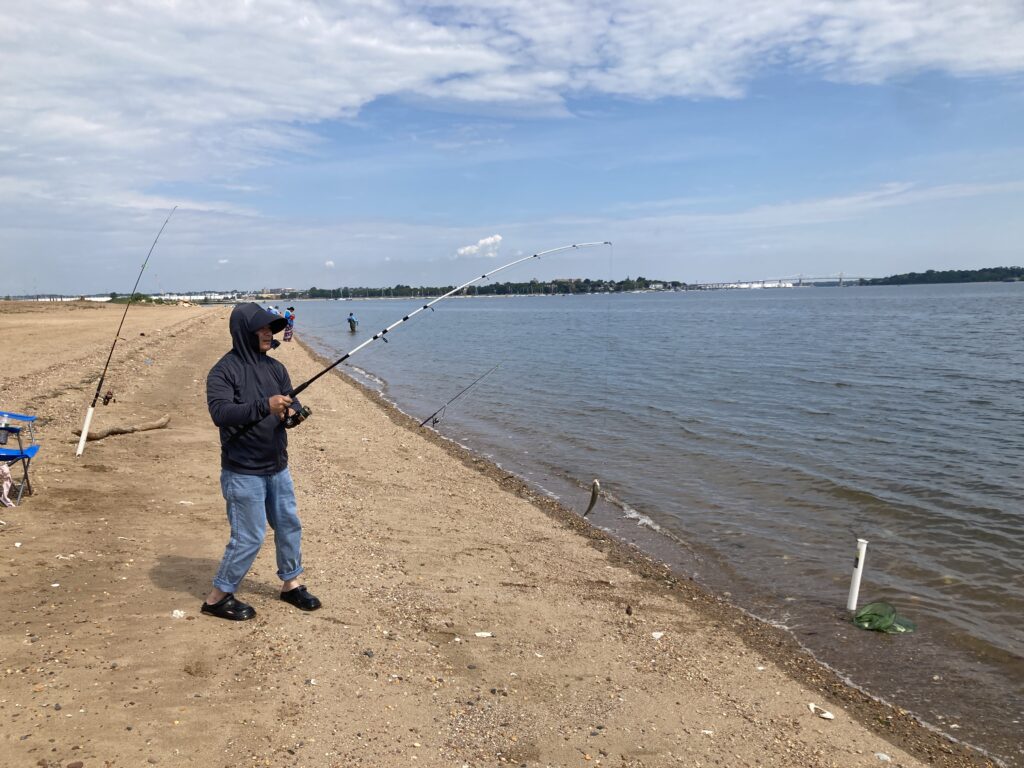
A fisherman in South Amboy reels in a small spot croaker (Leiostomus xanthurus) from Raritan Bay.
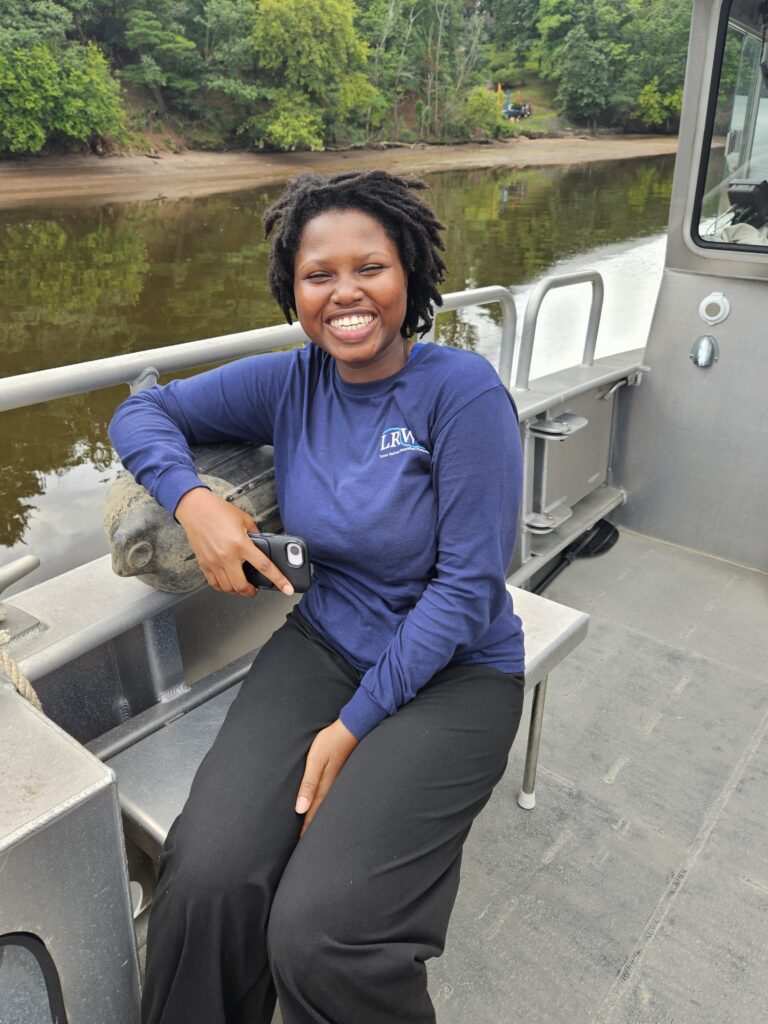
Endurance is a senior at Rutgers University, The State University of New Jersey—New Brunswick, majoring in Cell Biology and Neuroscience. This summer, she wanted to be involved in public service and community engagement which led her to apply for the 2026 Rutgers Scarlet Service Internship Program. Even though she did not know which organization she would end up interning with, she knew she wanted to do something that would require her to apply the knowledge she acquired in her coursework out on the field. After a rigorous interview process with five non-profit organizations, she matched with the Lower Raritan Watershed Partnership!
With the LRWP she serves as a Pathogens Monitoring and Communications Intern, where she works with volunteers to collect hydrological samples and record hydrological field data. Under the supervision of Dr. John Meyer, Endurance is also in charge of writing weekly blog posts that include results from the Interstate Environmental Commission (IEC) lab analysis of the water samples and a narrative of the pathogens monitoring sessions. Additionally, she works together with the LRWP team and its volunteers of diverse backgrounds in coming up with possible solutions to tackle water quality and environmental safety issues to improve the health of the communities that surround the Lower Raritan.
We asked Endurance what she has learned through her internship:
“I have developed strong communication across lingual bridges, refined written and spoken science communication and have strengthened leadership, organizations and teamwork skills!”
Endurance shared that she is passionate about medicine and using scientific insights to enhance community wellbeing and says her work with LRWP has offered an early, hands-on glimpse into what community-engaged science looks like in practice.
You can read Endurance’s journal entries about her pathogens monitoring experiences here:
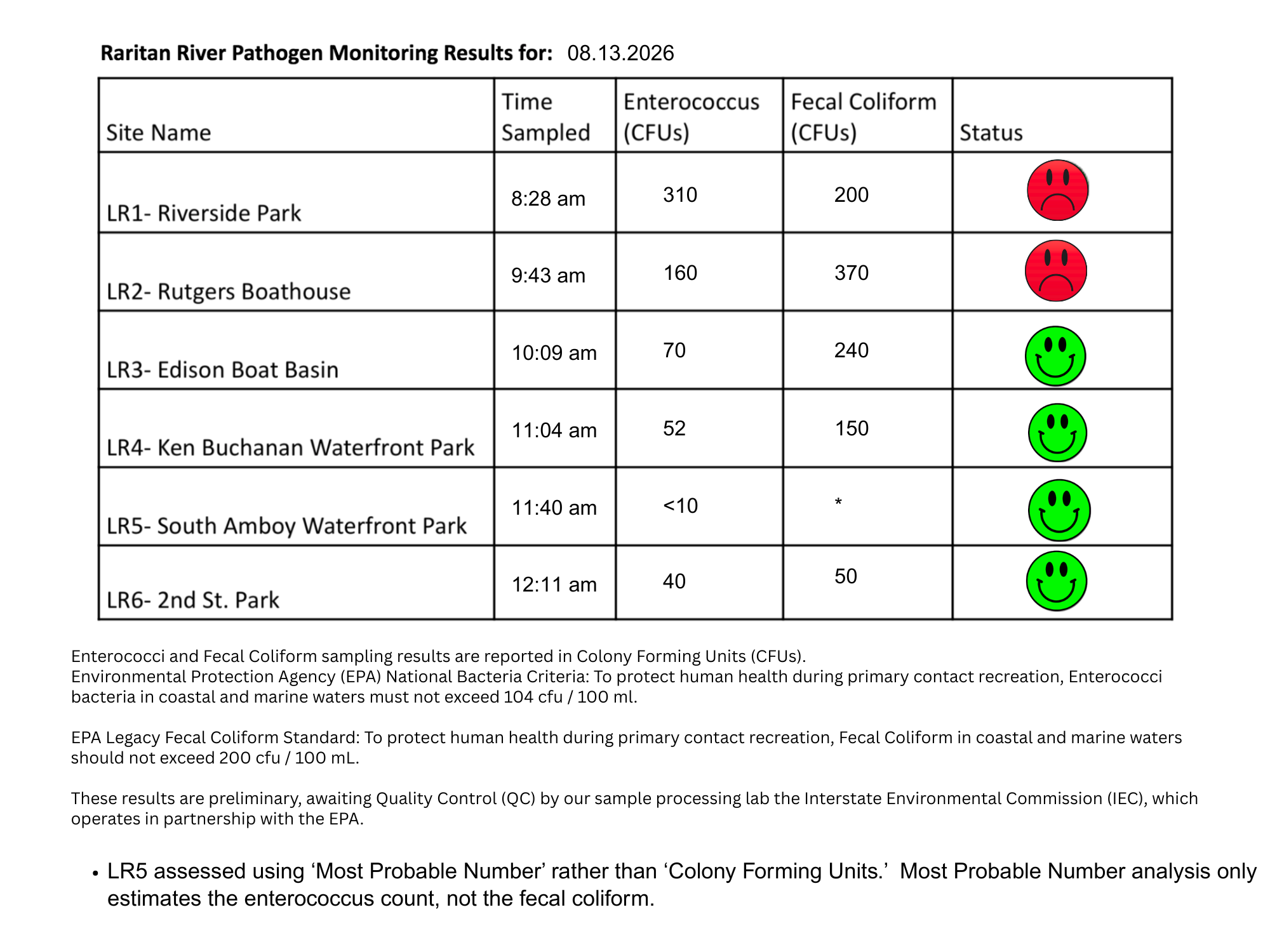
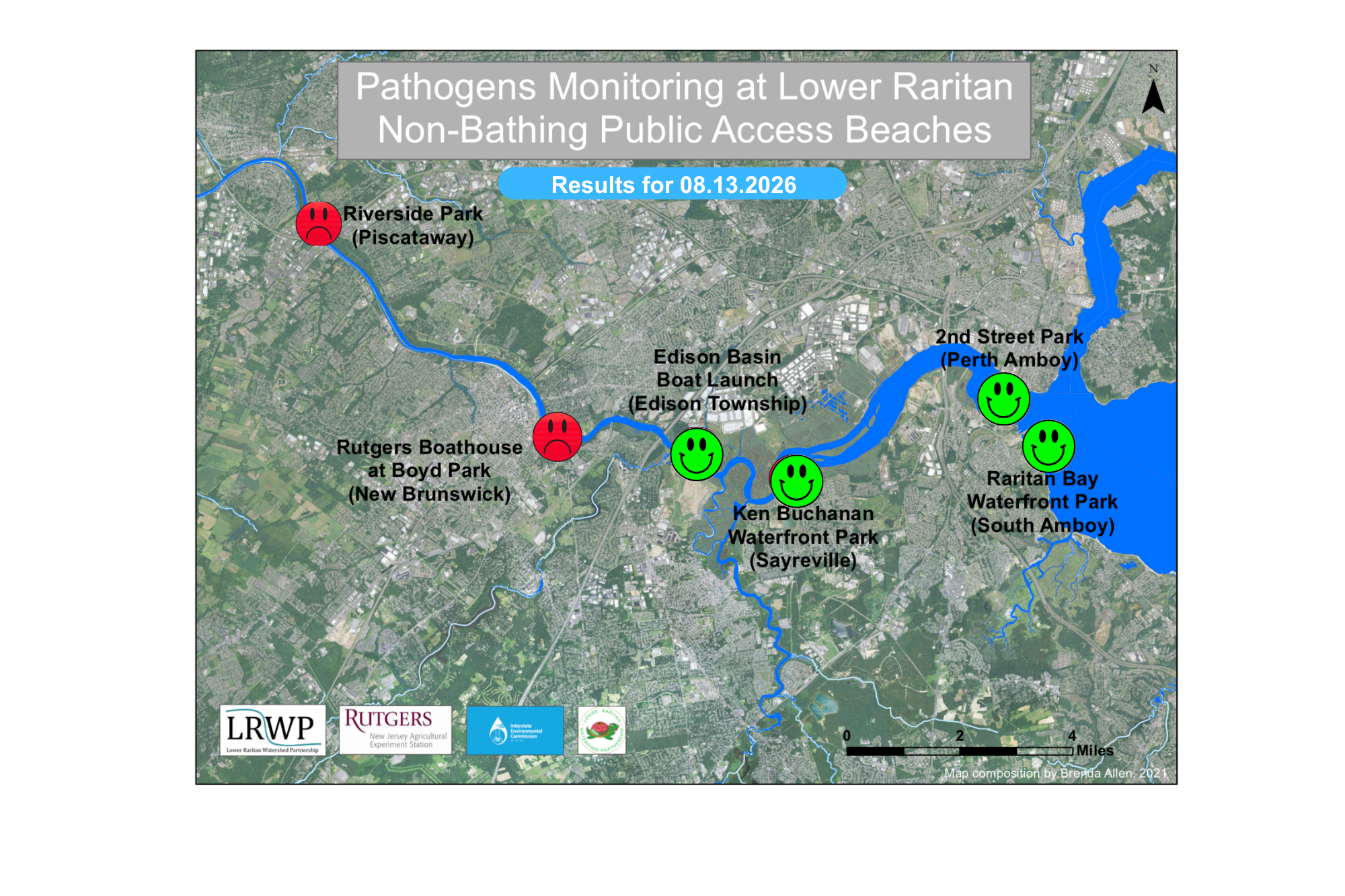
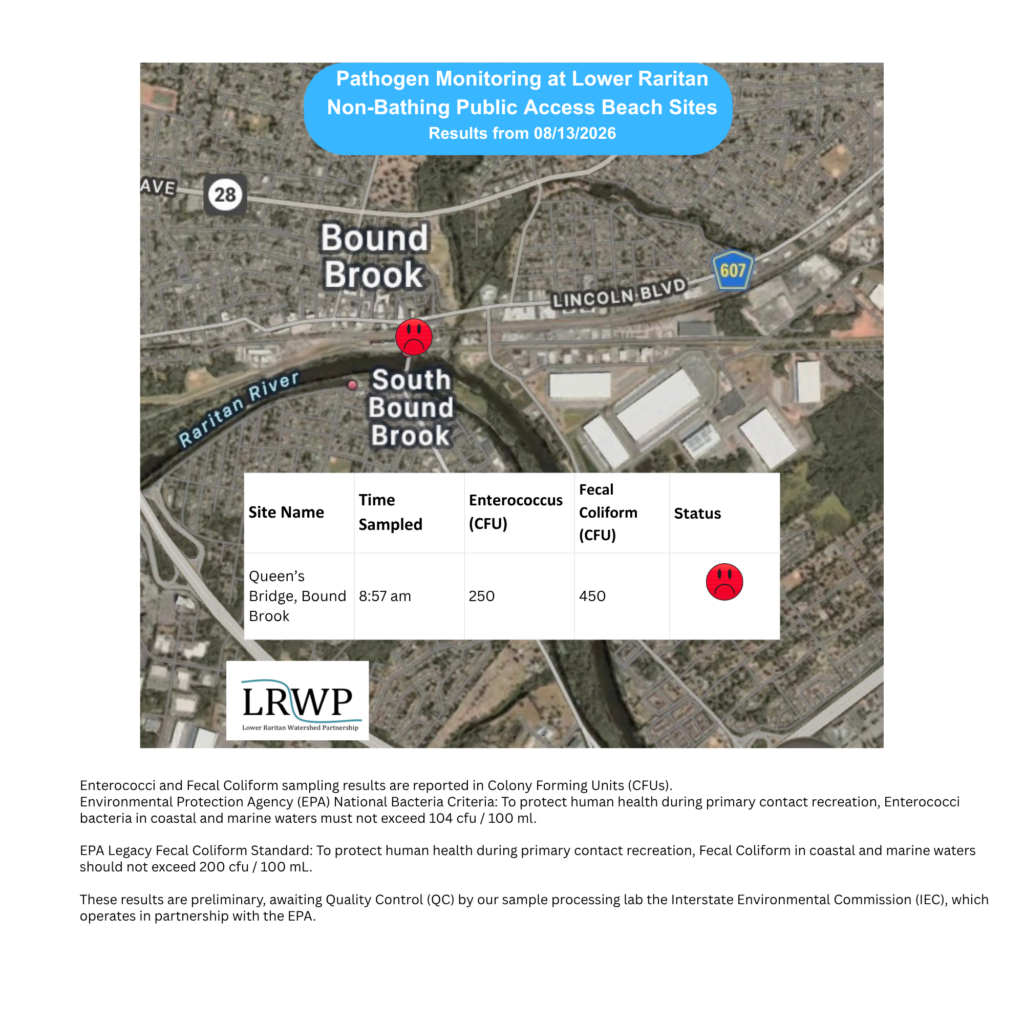
The second pathogen monitoring session of the month took place on Thursday, August 13th. Each week during the summer, from May to October, the Lower Raritan Watershed Partnership and Rutgers Cooperative Extension of Middlesex County run a volunteer-based monitoring program along the Raritan River. We collect water quality samples at six non-bathing public access beach sites, provide our samples to the Interstate Environmental Commission for analysis in their laboratory, and report the results to the public. Our mission is to share this data with the community and partners to ensure the safe use of the Raritan River for all.
Our lab results for water quality samples taken on Thursday, August 13th, 2026, show Enterococcus bacteria levels exceeding the EPA federal water quality standard of 104 cfu/100mL at one of our regular monitoring sites this week. The problem sites are indicated by the red frown on the map and chart and include Riverside Park (Piscataway) and Rutgers Boathouse (New Brunswick).
Green smiles on the chart and map indicate the sites with bacteria levels safe for recreation and include the following: Edison Boat Basin (Edison), Ken Buchanan Waterfront Park (Sayreville), 2nd Street Park (Perth Amboy), and South Amboy Waterfront Park.
A note of caution about Edison Boat Basin: enterococcus better correlates with disease causing bacteria, but the fecal coliform count in Perth Amboy was well above the EPA legacy standard of 200 colony-forming per milliliter.
Pathogens/Enterococci levels are used as indicators of the possible presence of disease-causing bacteria in recreational waters. Such pathogens may pose health risks to people coming in primary contact with the water (touching) through recreational activities like fishing, kayaking or swimming in a water body. Possible sources of bacteria include Combined Sewer Overflows (CSOs), improperly functioning wastewater treatment plants, stormwater runoff, leaking septic systems, animal carcasses, pet waste, wildlife waste, and runoff from manure storage areas.
In order to better understand why Riverside Park, Piscataway has been our worst performing site over the past six years, we have started sampling at new sites in the vicinity . On August 13th, we sampled the Raritan River at Queen’s Bridge, Bound Brook for a fourth time since we started pathogens monitoring this season. The lab analysis produced 250 enterococci cfu per 100mL which is well above the EPA federal water quality standard of 104 cfu/100mL. Again, this site failed the test, as it has every week that we’ve tested it.
Our goal in reporting these results is to give residents a better understanding of the potential health risks related to primary contact during water-based recreation. If you are planning on recreating on the Raritan this weekend, make sure to stay safe and wash up after any activities!
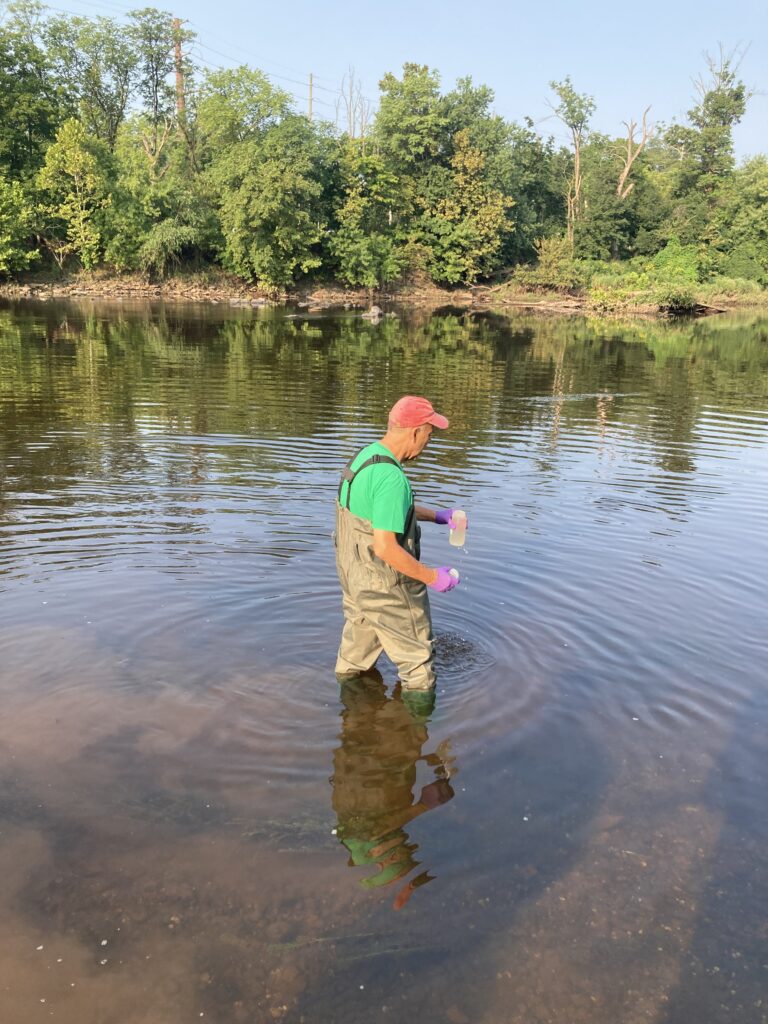
Art gathers a sample at Riverside Park.
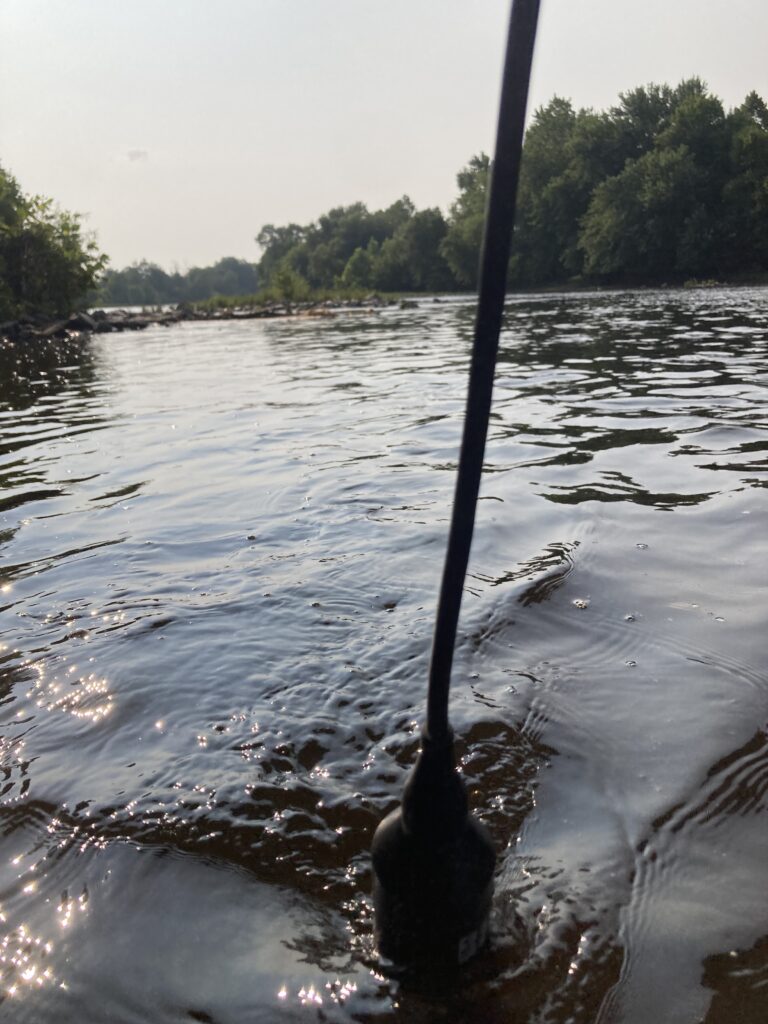
The sonde plunges into the water at Queen’s Bridge, Bound Brook.
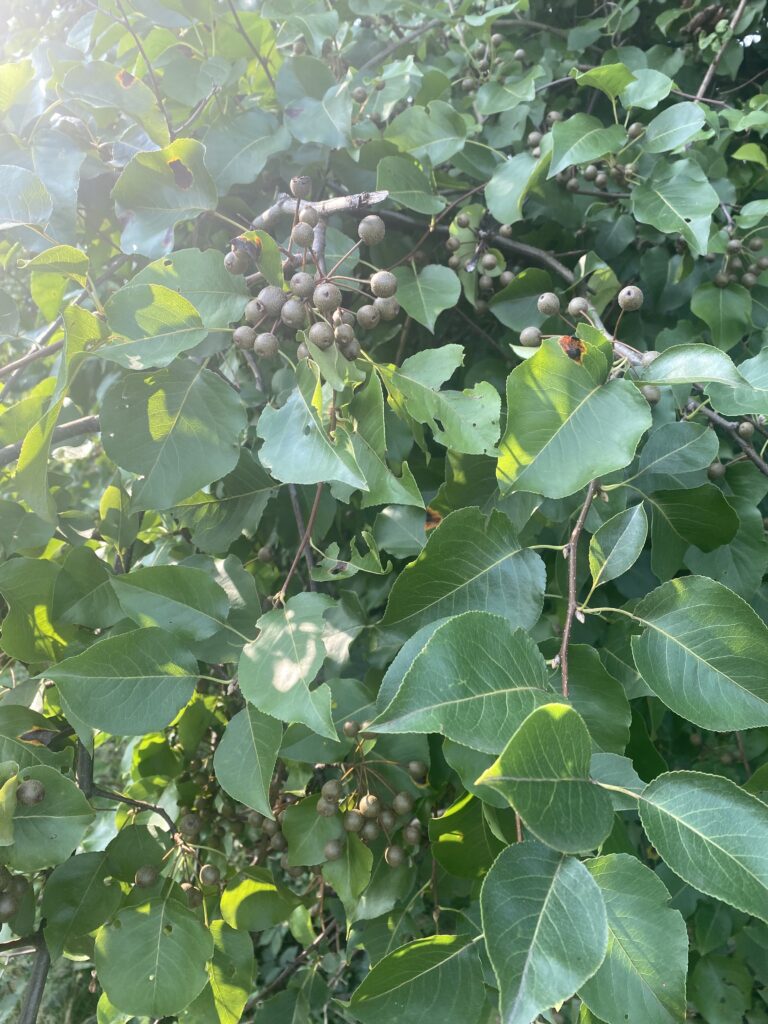
A Bradford pear tree in full fruit. Photo by Mike Orsini.
The city of New Brunswick at high tide. To reach this point, the Raritan rose six feet in just six hours. Photo by Mike Orsini.
At high tide, the river begins to pool across the opening of the Rutgers boat dock in New Brunswick. Mike traverses the waterway to deploy the YSI sonde. Photo by J.M. Meyer.
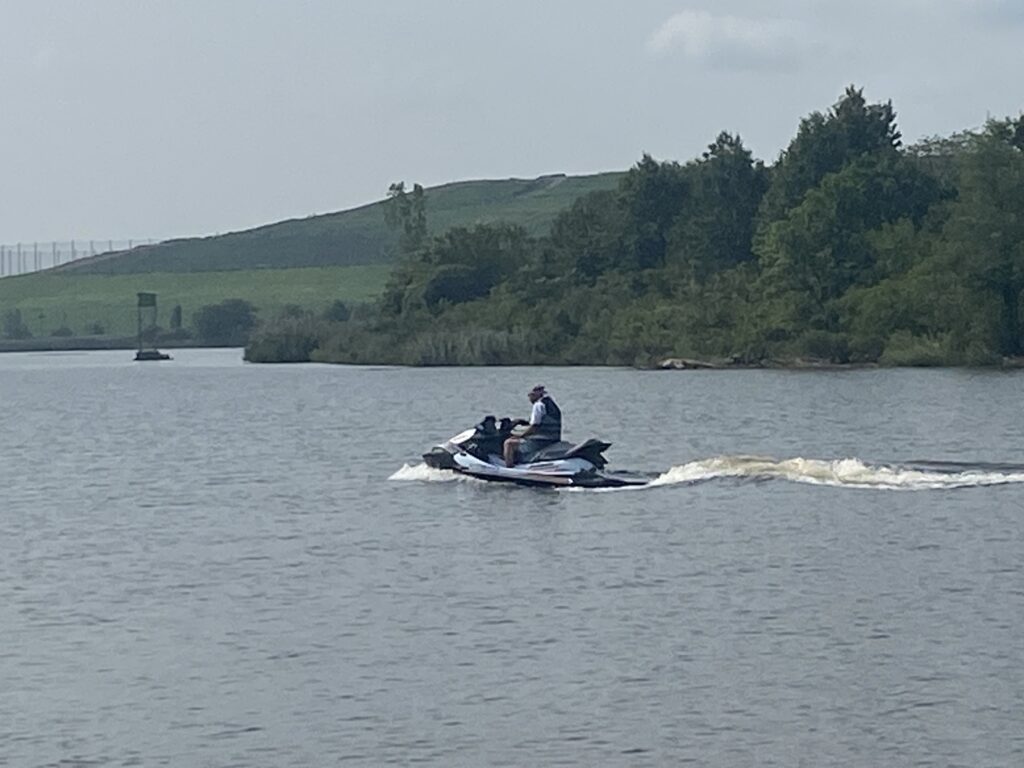
A jet skier on the river near Edison Boat Basin. The Middlesex County landfill rises in the background. Photo by Mike Orsini.
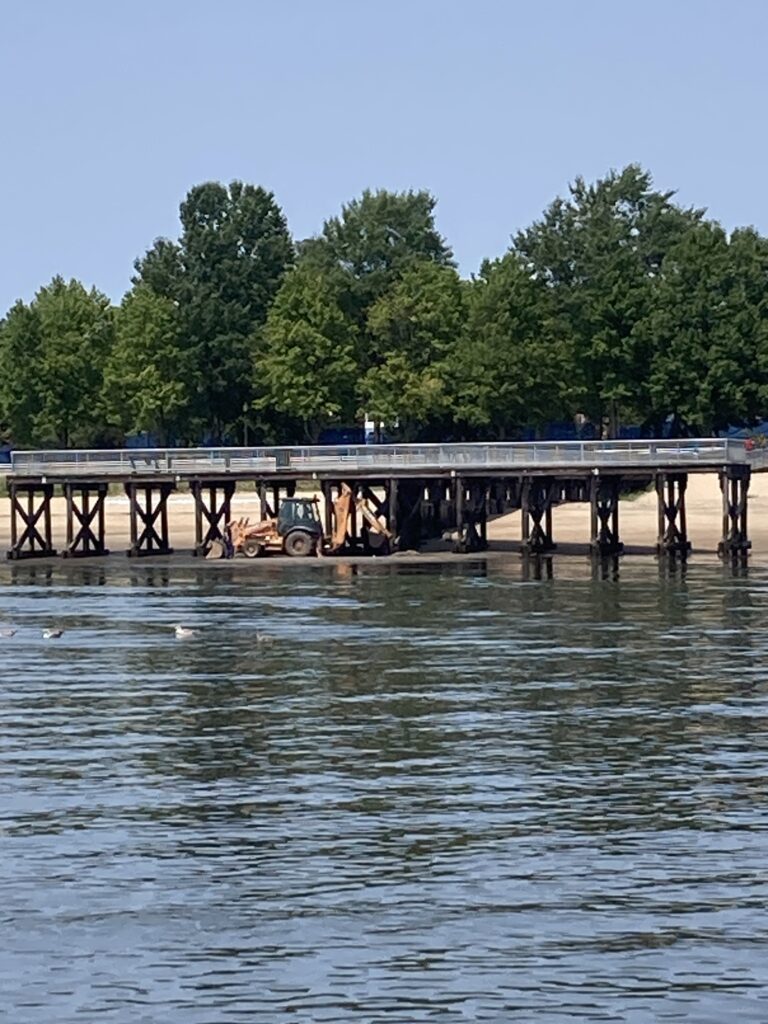
The day before sampling, we saw a backhoe dig sediment out of a Combined Sewer Outfall in Perth Amboy. Without this constant maintenance, the sewage and stormwater in Perth Amboy overflow into 2nd street park.
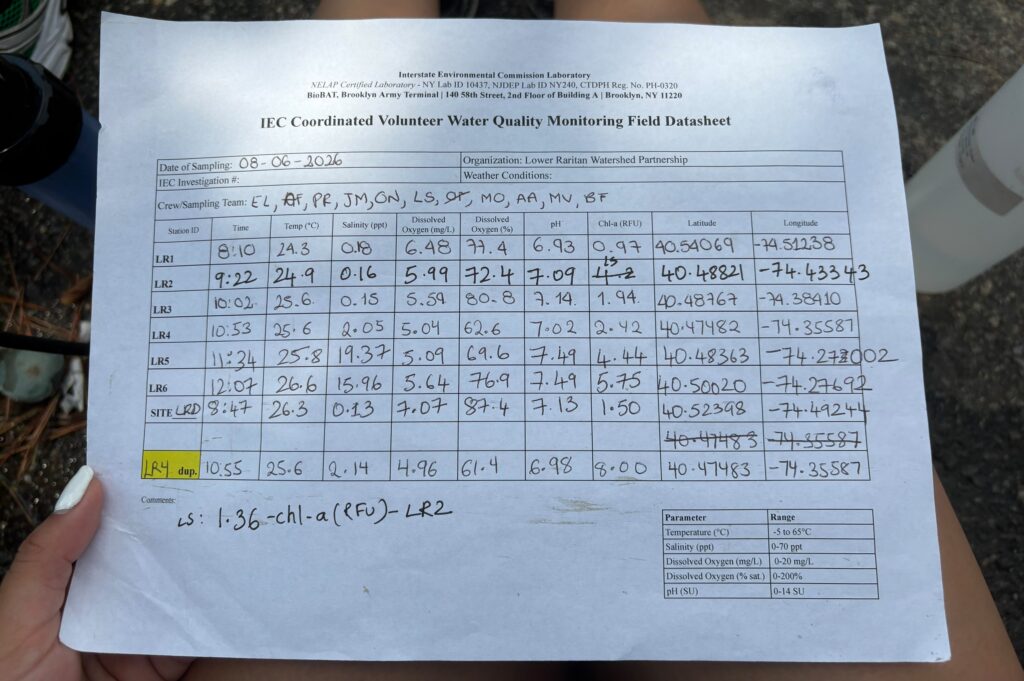
All parameters seemed to be in safe ranges at the time of monitoring today. Photo by Paula Rubio.
Olesya, Lakshmi and Bryanna collected five gallons of trash at Riverside Park. Laksmi and Olesya are seen going to empty the trash bucket into a larger trash can. Photo by Endurance Laryea
I wondered where all the geese were when we arrived at the parking lot today. After sampling, Olesya pointed them out to me– they had moved further downstream from the park. The increase in scrub growth along the bank of the river makes it difficult for them to access it from the parking lot. This is great for Riverside Park because it reduces the amount of fecal matter from the geese t that gets washed into the river during rainfall. But wouldn’t the geese just find somewhere else along the river? Yes, they might. However, it may not impact Riverside Park as much as it does when the geese are at this site. This site is one where people come into primary contact with the river, so it would best for the geese to move elsewhere where people do not come into contact with the river.
Photo by Endurance Laryea.
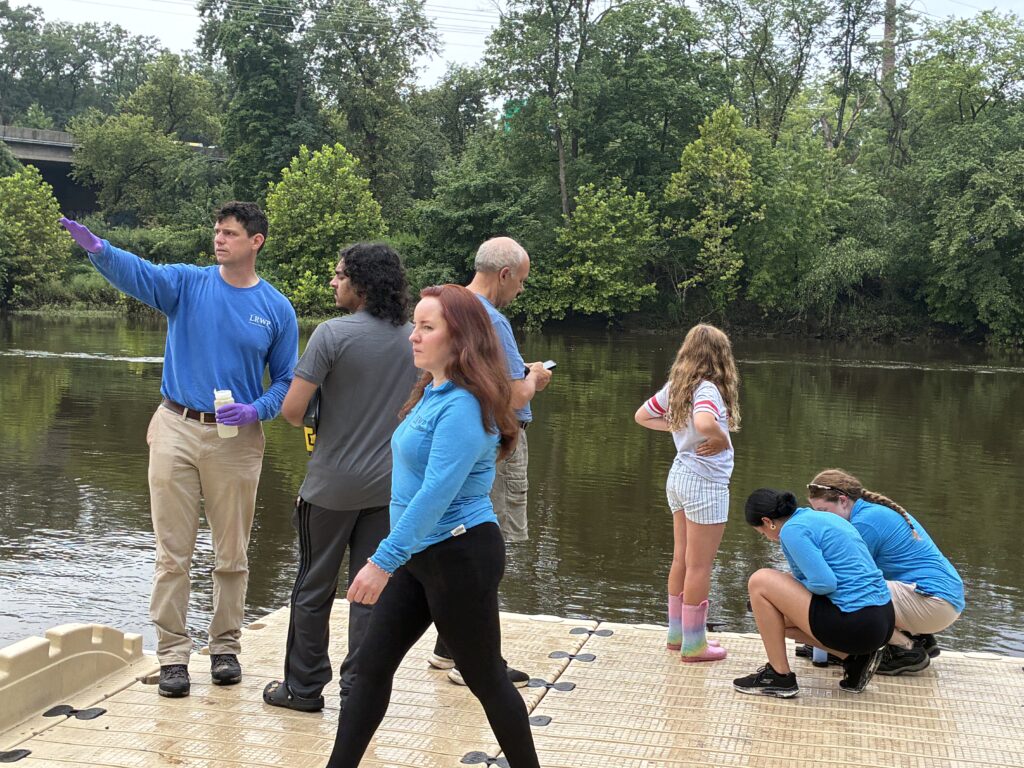
A huge team today! John explains the landscape at Riverside Park to Michael, a resident of Piscataway, Art completes the visual habitat assessment for Riverside Park, Ashley and Paula take hydrological measurement while Bryanna observes. By Endurance Laryea
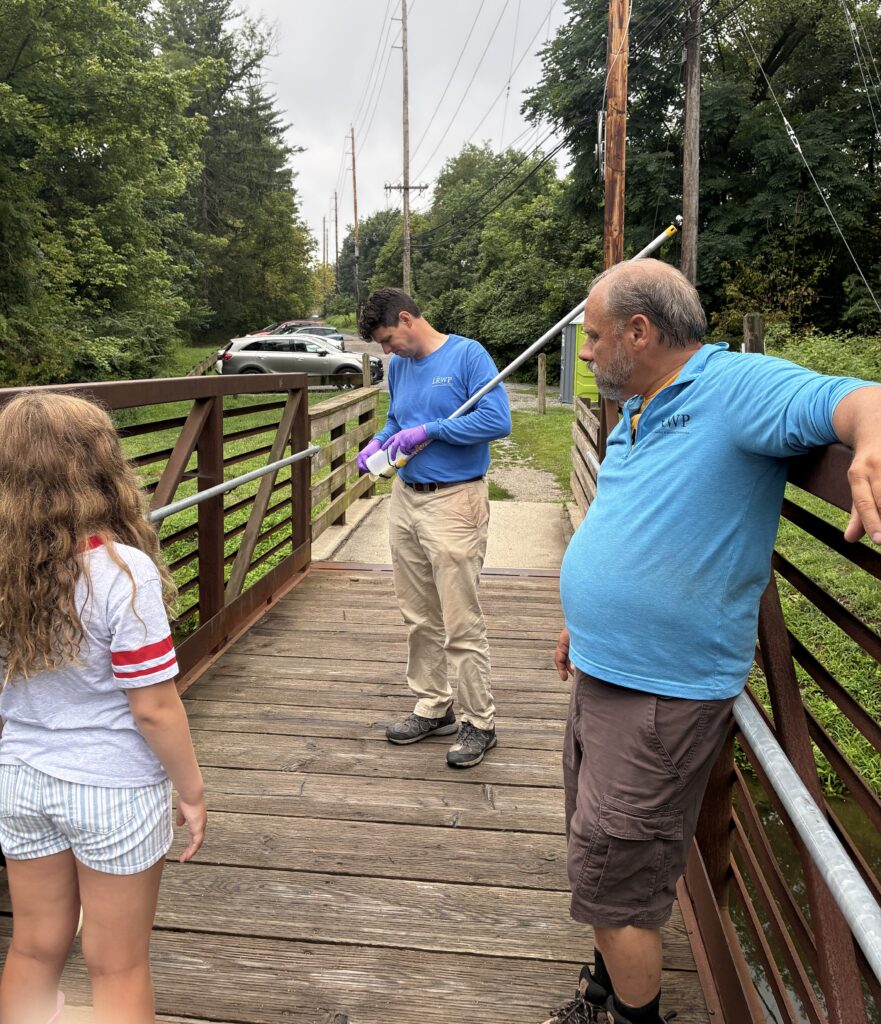
On the bridge of the D&R canal near the Van Wickle House, John gets ready for sampling duties as he straps the sample bottle on the sampling stick. The canals are the only sites that usually require a sampling stick because of how far the surface of the water is from wherever we stand. Photo by Endurance Laryea
Art completes the habitat assessment for D&R canal whileLakshmi and Ashley handle measurement recording. Photo by Endurance Laryea.
Turns out I am not the only one who thinks this is a great photo spot. Two people appeared to be in the middle of a photo shoot at the site–I’m sure their pictures turned out great! Photo by Mike Orsini
The tide was higher at Piscataway when we started monitoring but it has gone out by the time we reached Rutgers Boat House, New Brunswick.
Photo by Endurance Laryea.
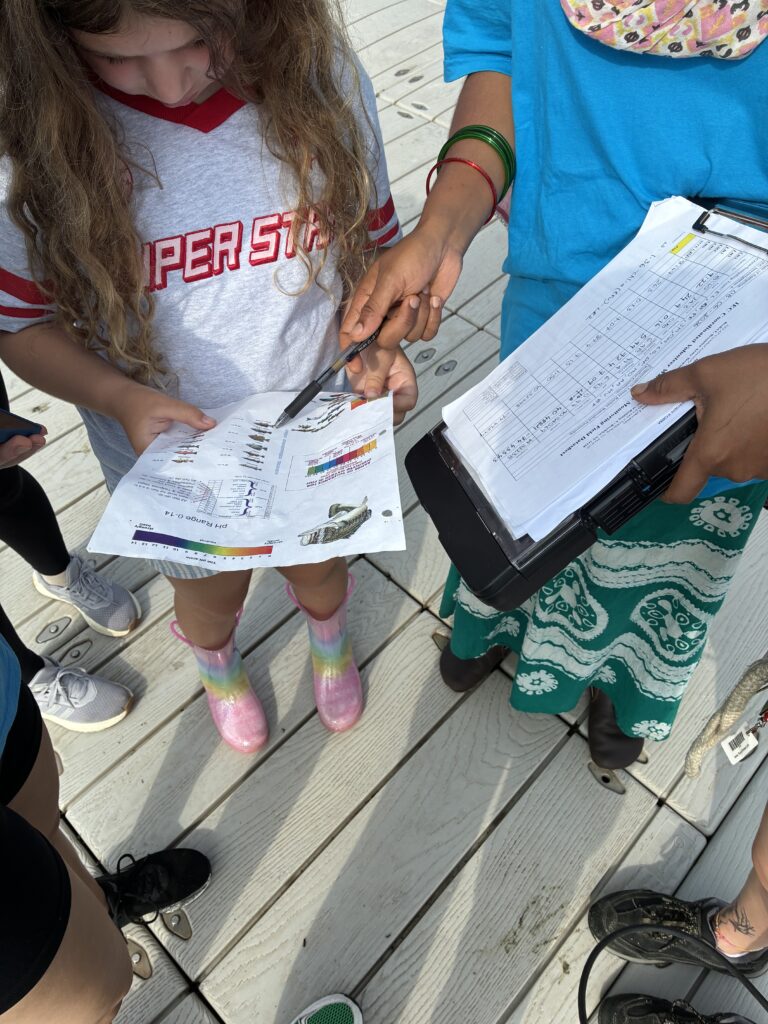
John had a fun activity for Bryanna. He gave her a sheet that had information on the ranges of temperature, pH and dissolved oxygen levels and their effect on fish activity. Lakshmi, Olesya, Paula, Ashley and I guided her as she compared the measurements we had gotten so far to the information on the sheet. She then concluded that all the fishes were fine because the parameters were all in the safe range according to the sheet.
Photo by Endurance Laryea.
Second cleanup, since the start of pathogens monitoring this summer, witnessed at Edison Boat Launch today.
Last time, the cleanup was done between the two docks only. This time, it was being done at the right side of the right dock where most of the debris is and gets swept to the middle of the docks. It will now be easier for boats and kayaks to access the river at this site.
Photos by Endurance Laryea.
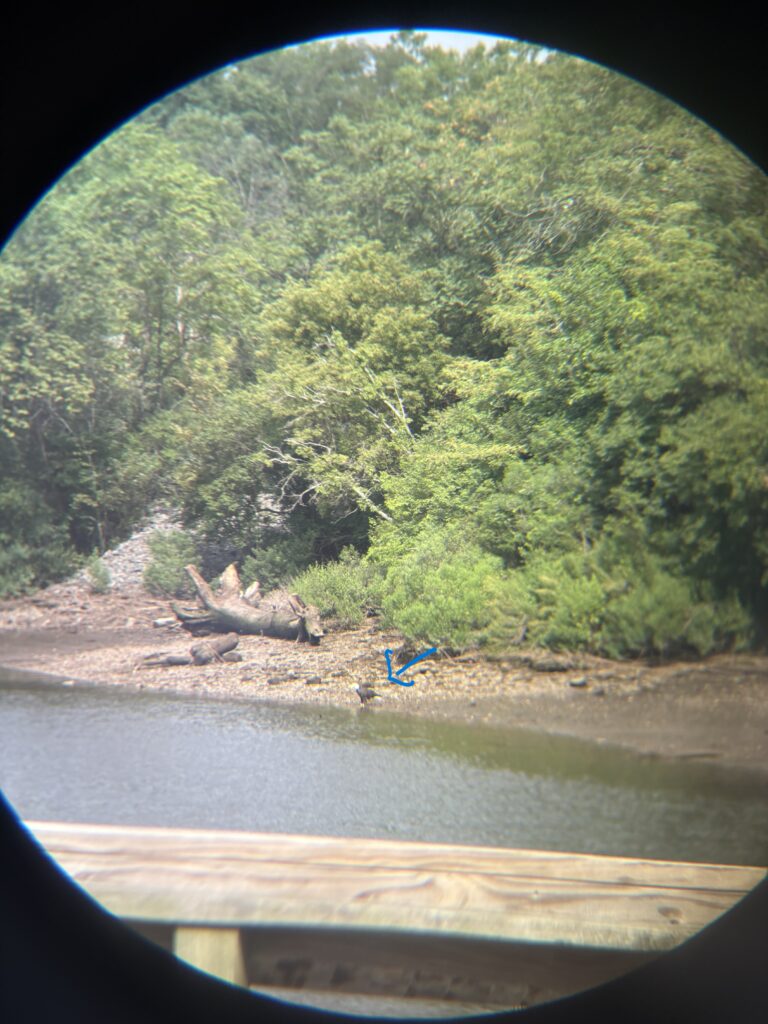
Art spotted a bird and gave his binoculars to Bryanna for her to try spotting and identifying it too. Photo by Endurance Laryea.
After a couple of minutes, she exclaimed, ‘Oh I see it, it’s a bald eagle!’ It was, indeed, a bald eagle. Photo by Ashley Fritz.
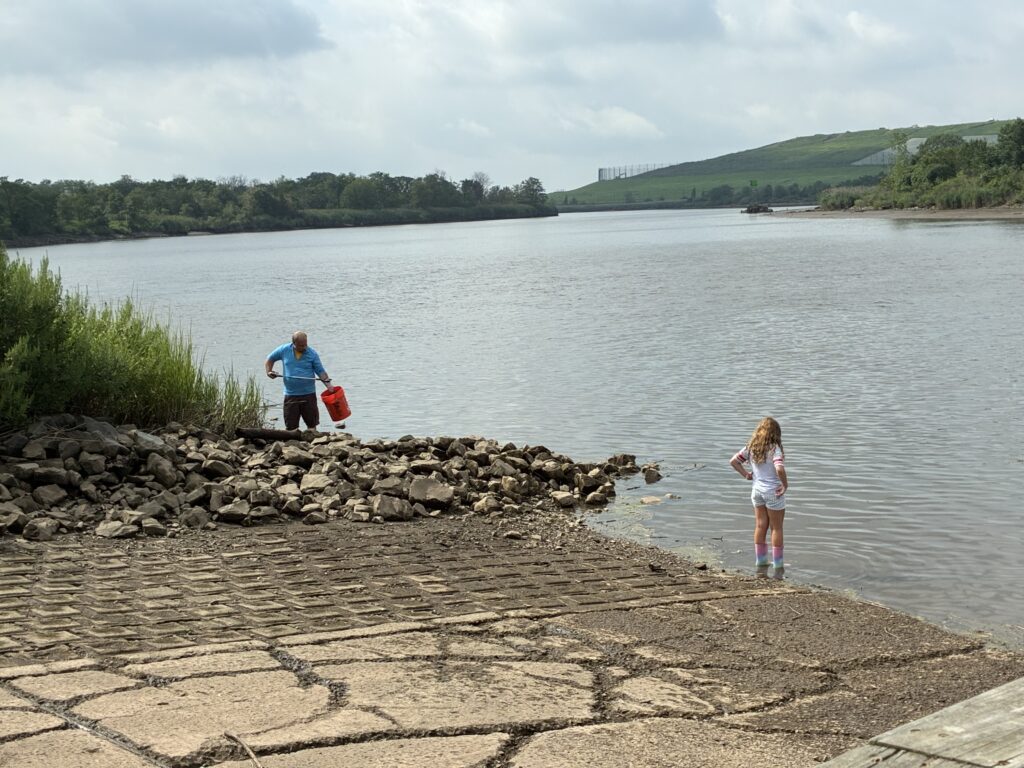
Mike on trash duty while Bryanna washes her boots at the bank of the river. Photo by Endurance Laryea.
Mike pulled out this huge plastic bucket out from the river at Sayreville. This is his largest pick-up yet! Photo by Endurance Laryea.
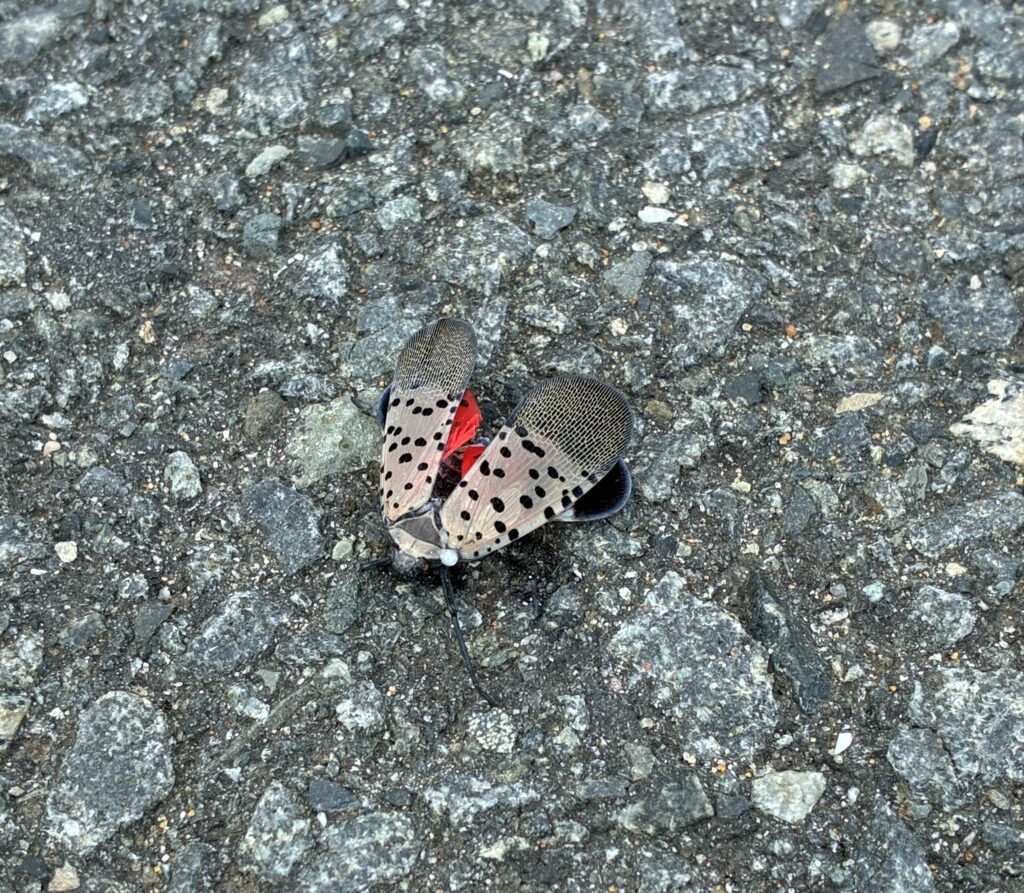
This is a spotted lantern fly, spotted (no pun intended) on the parking lot of Waterfront Park in South Amboy. Spotted lantern is an invasive species in the United States that cause significant damage to agricultural crops and ornamental plants as well. So, unfortunately, when seen, these beautiful flies need to be stepped on to prevent damage to prevent damage to New Jersey plants. Photo by Endurance Laryea
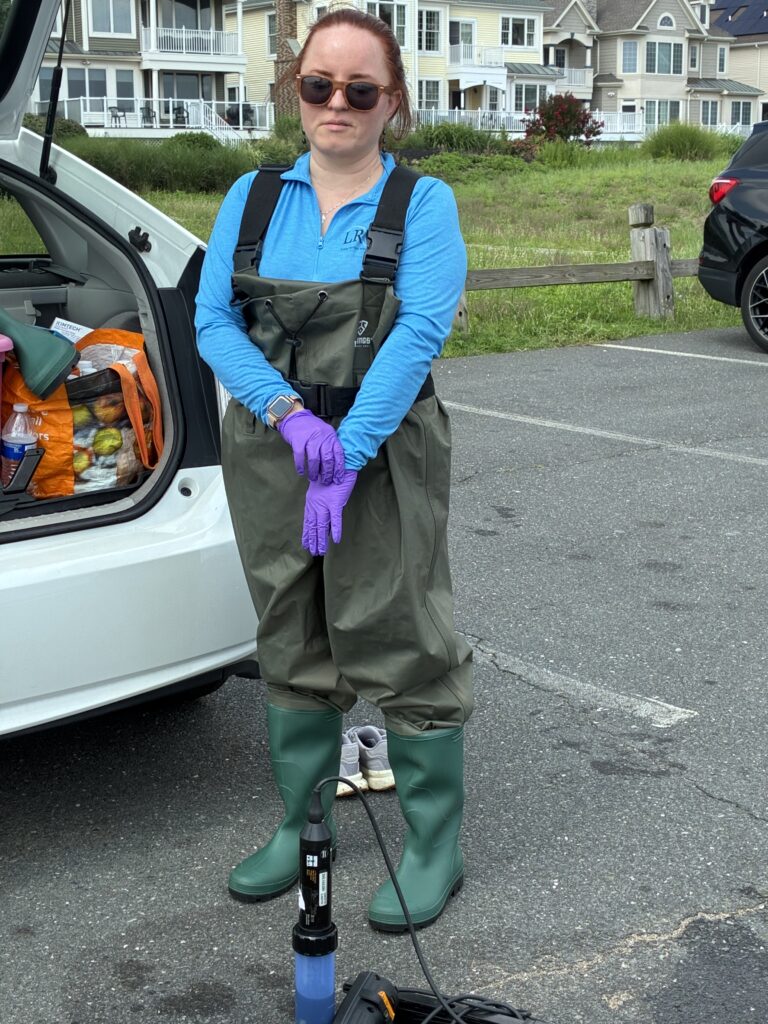
Olesya gets ready for sampling duties at Waterfront Park with her waders. Photo by Endurance Laryea.
This erosion pathway created by rushing rainwater from the parking lot and walkway can be a highway for pollutants (like sediments, debris, litter) to get into the river. This is known as Nonpoint Source Pollution. Nonpoint Source Pollution (NPS), defined by the EPA, is any type of pollution that is not coming from a point source such as a sewage pipe, an industrial pipe or channel etc. It could be from land or road runoff. One simple way to curb Nonpoint Source Pollution is to keep litter, pet waste and debris out of roads, parking lots etc., to prevent them from getting washed into the river during precipitation. Basic Information about Nonpoint Source (NPS) Pollution | US EPA Photo by Endurance Laryea.
Olesya and Lakshmi on measurement recording duty. Photo by Endurance Laryea.
Art on visual habitat assessment duty. Photo by Endurance Laryea.
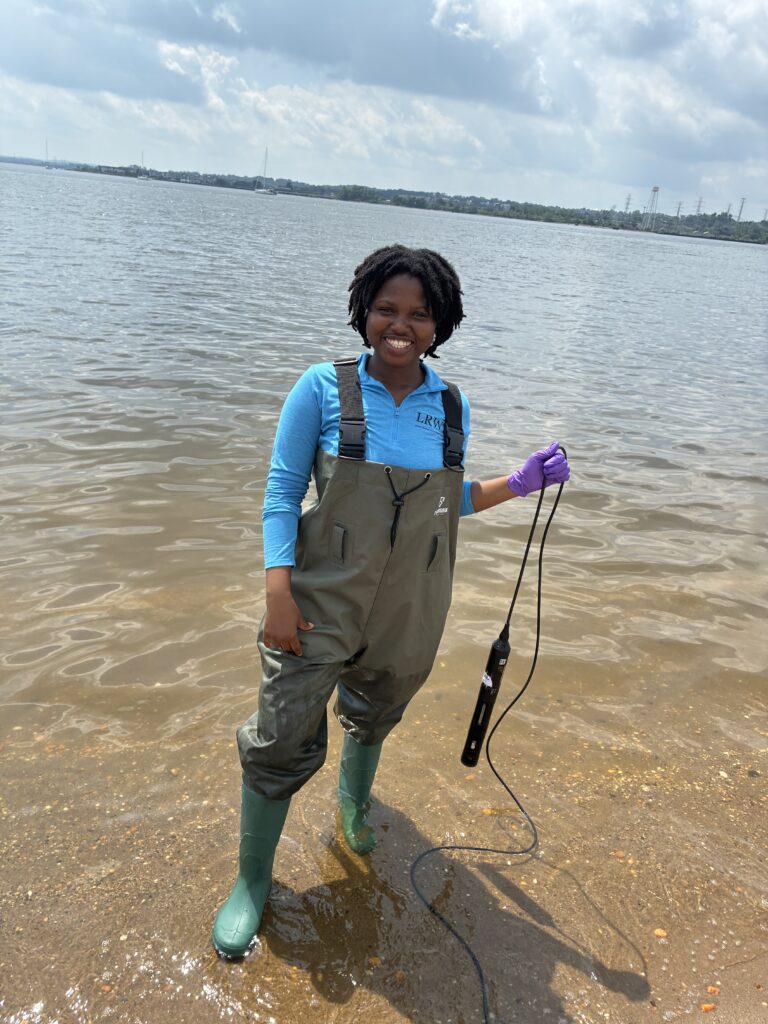
Endurance poses for a photo at the end of monitoring. Photo by Lakshmi
By Endurance Laryea, LRWP Summer Research Intern and J.M. Meyer.
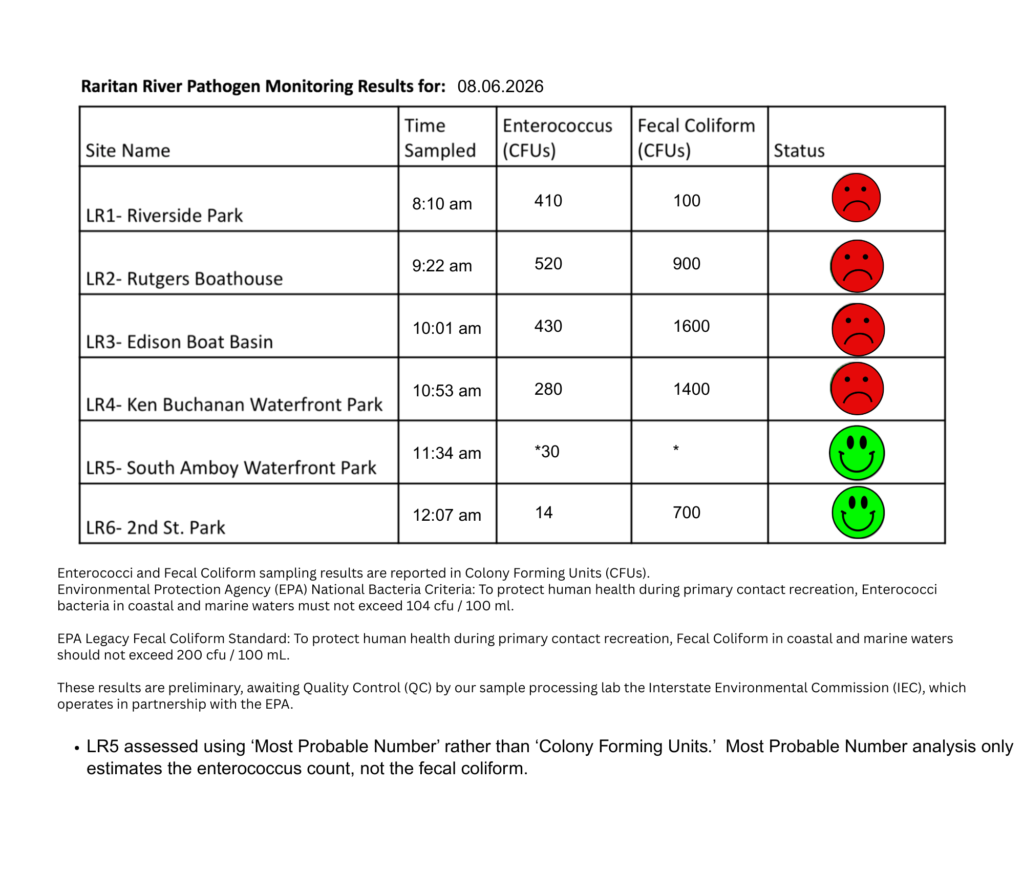
The first pathogen monitoring session of the month took place on Thursday, August 6th. Each week during the summer, from May to October, the Lower Raritan Watershed Partnership and Rutgers Cooperative Extension of Middlesex County run a volunteer-based monitoring program along the Raritan River. We collect water quality samples at six non-bathing public access beach sites, provide our samples to the Interstate Environmental Commission for analysis in their laboratory, and report the results to the public. Our mission is to share this data with the community and partners to ensure the safe use of the Raritan River for all.
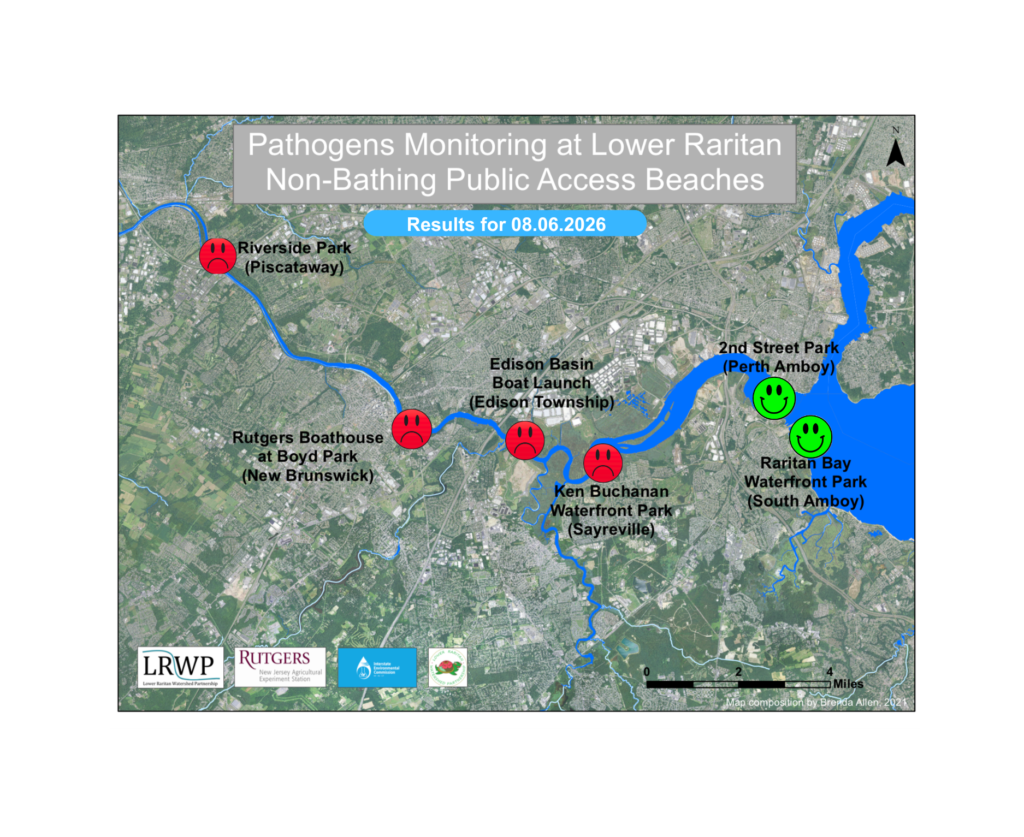
Our lab results for water quality samples taken on Thursday, August 6th, 2026, show Enterococcus bacteria levels exceeding the EPA federal water quality standard of 104 cfu/100mL at four of our regular monitoring sites this week. The problem sites are indicated by the red frown on the map and chart and include Riverside Park (Piscataway), Rutgers Boathouse (New Brunswick), Edison Boat Basin (Edison), Ken Buchanan Waterfront Park (Sayreville).
Green smiles on the chart and map indicate the sites with bacteria levels safe for recreation and include the following: 2nd Street Park (Perth Amboy), and South Amboy Waterfront Park.
A note of caution about Perth Amboy: enterococcus better correlates with disease causing bacteria, but the fecal coliform count in Perth Amboy was well above the EPA legacy standard of 200 colony-forming per milliliter.
Pathogens/Enterococci levels are used as indicators of the possible presence of disease-causing bacteria in recreational waters. Such pathogens may pose health risks to people coming in primary contact with the water (touching) through recreational activities like fishing, kayaking or swimming in a water body. Possible sources of bacteria include Combined Sewer Overflows (CSOs), improperly functioning wastewater treatment plants, stormwater runoff, leaking septic systems, animal carcasses, pet waste, wildlife waste, and runoff from manure storage areas.
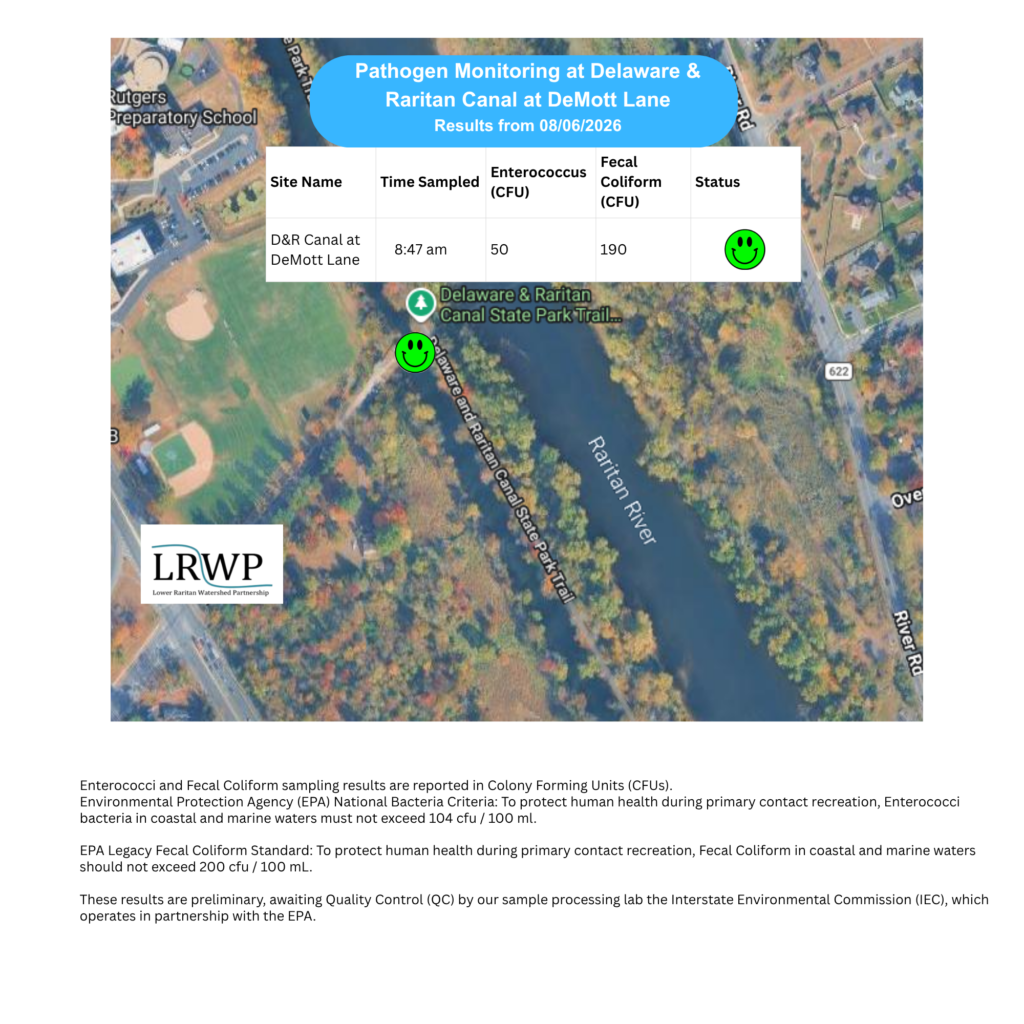
In order to better understand why Riverside Park, Piscataway has been our worst performing site over the past six years, we have started sampling at new sites in the vicinity . On August 6th, we sampled the canal at DeMott Lane for a third time since we started pathogens monitoring this season. The lab analysis produced 50 enterococci cfu per 100mL which passes the EPA federal water quality standard of 104 cfu/100mL. Again, this site passed the test, as it has every week that we’ve tested it.
Our goal in reporting these results is to give residents a better understanding of the potential health risks related to primary contact during water-based recreation. If you are planning on recreating on the Raritan this weekend, make sure to stay safe and wash up after any activities!
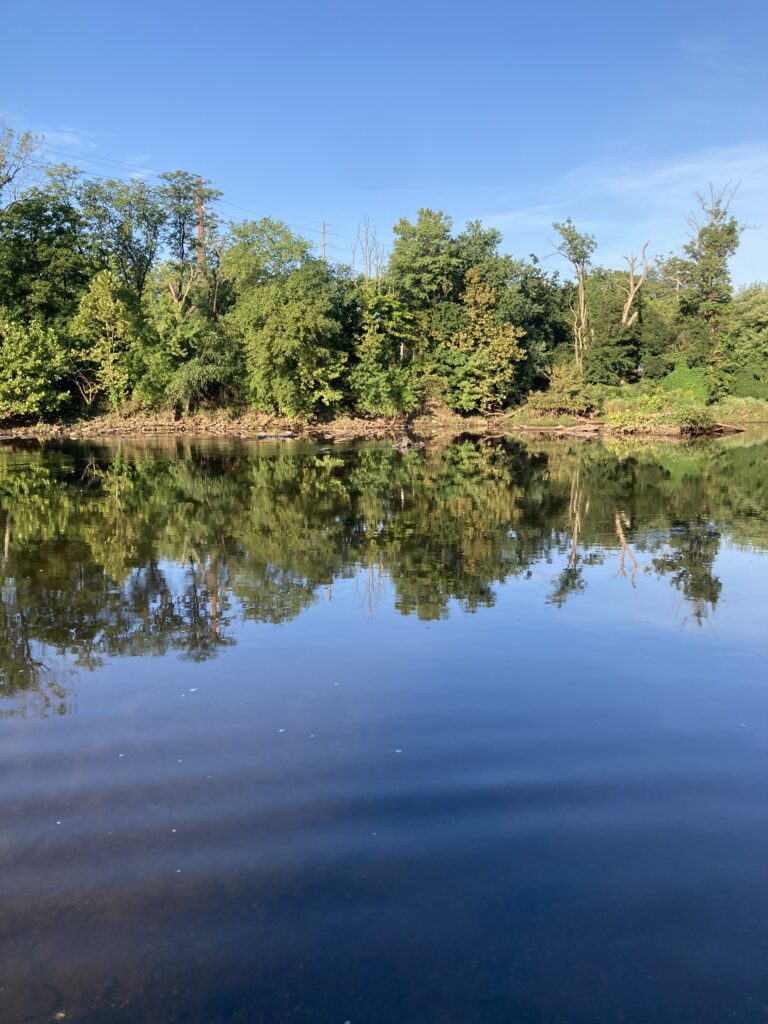
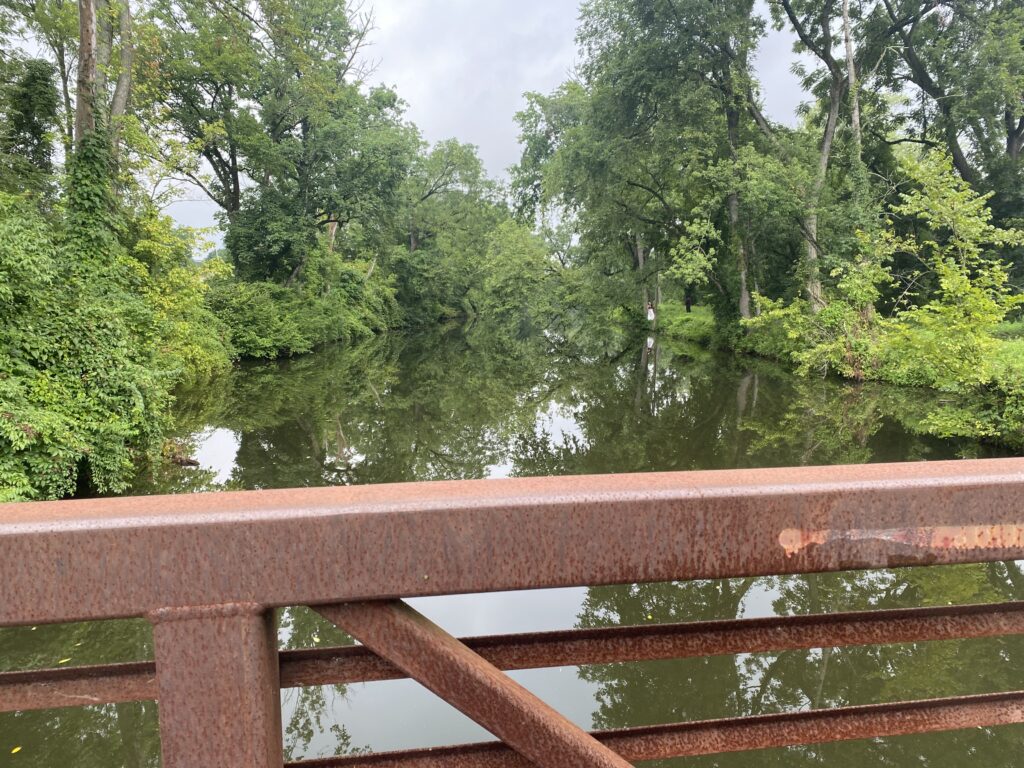
Early morning reflections on the Delaware & Raritan Canal. Photo by Mike Orsini.
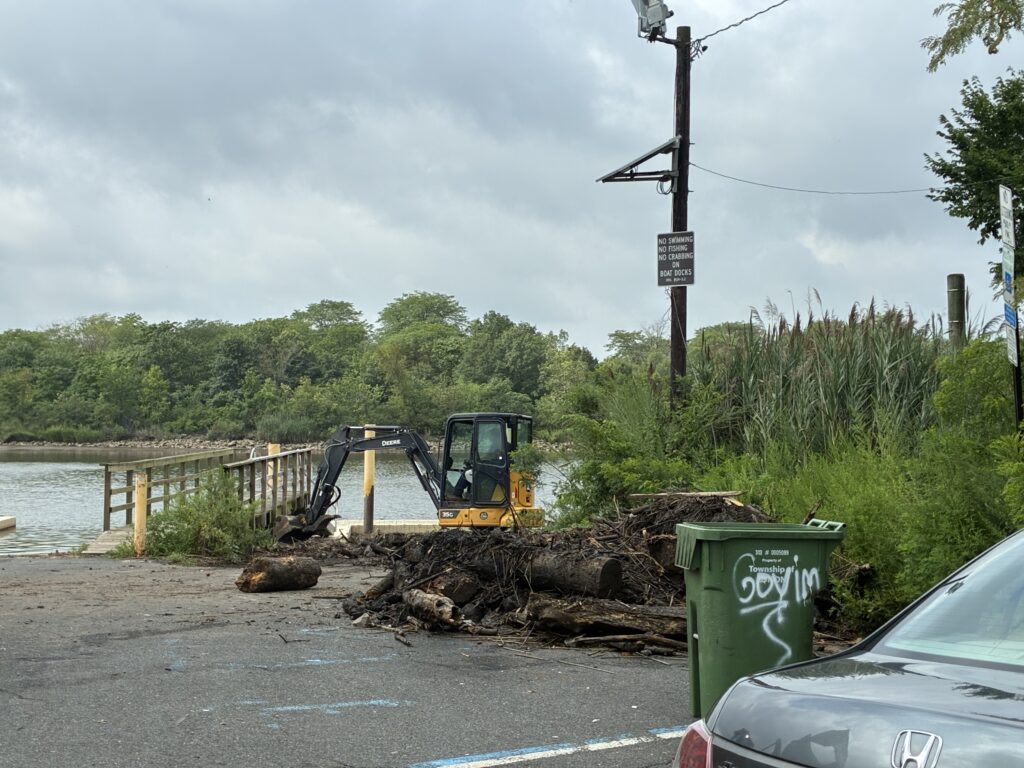
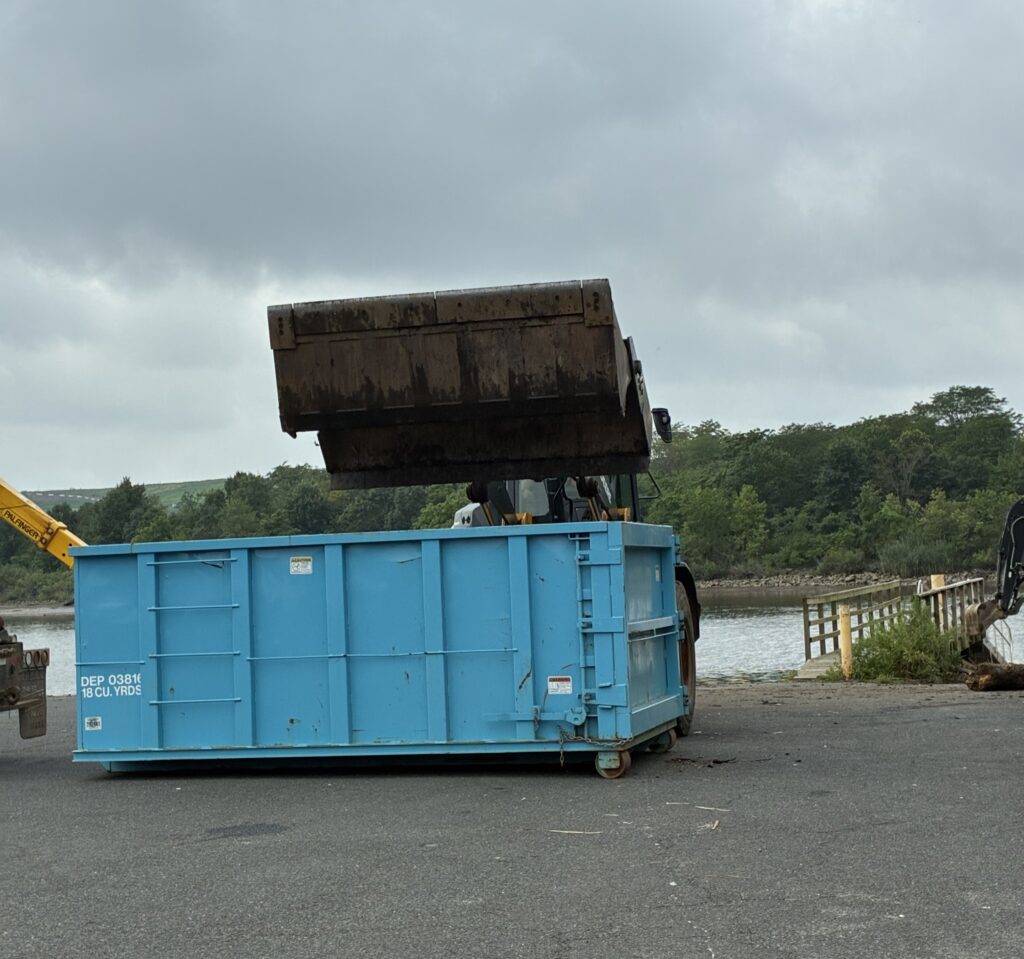
An excavator clears out woody debris lodged against the Edison Boat Basin. Photo by Mike Orsini.