
Water Monitoring Intern Journal Entry August 6, 2026
By Endurance Laryea, LRWP Summer Research Intern.
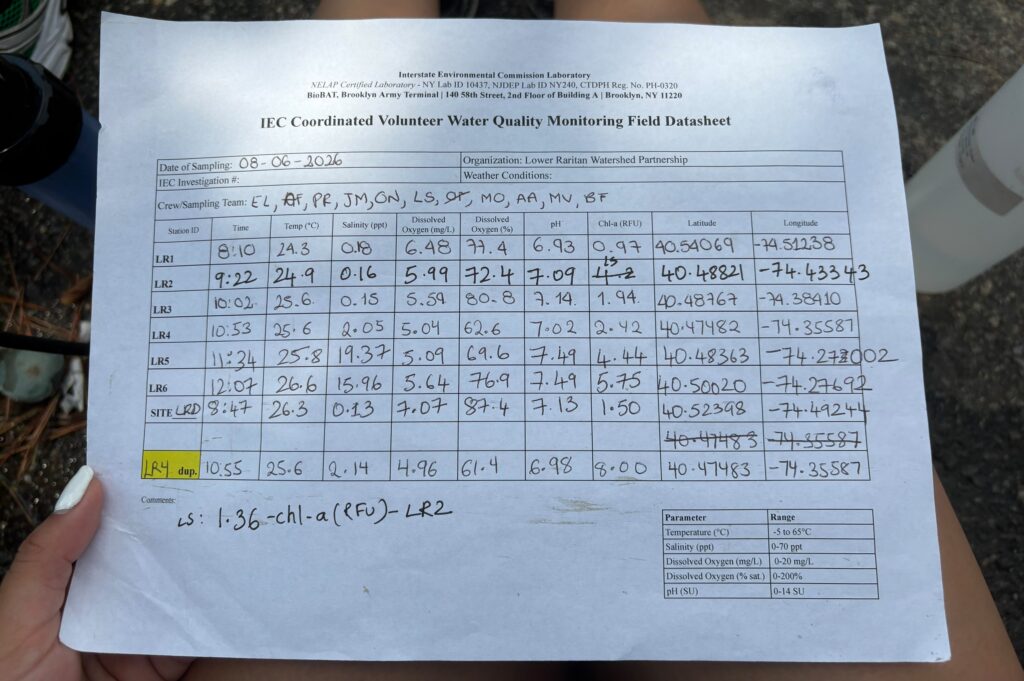
All parameters seemed to be in safe ranges at the time of monitoring today. Photo by Paula Rubio.
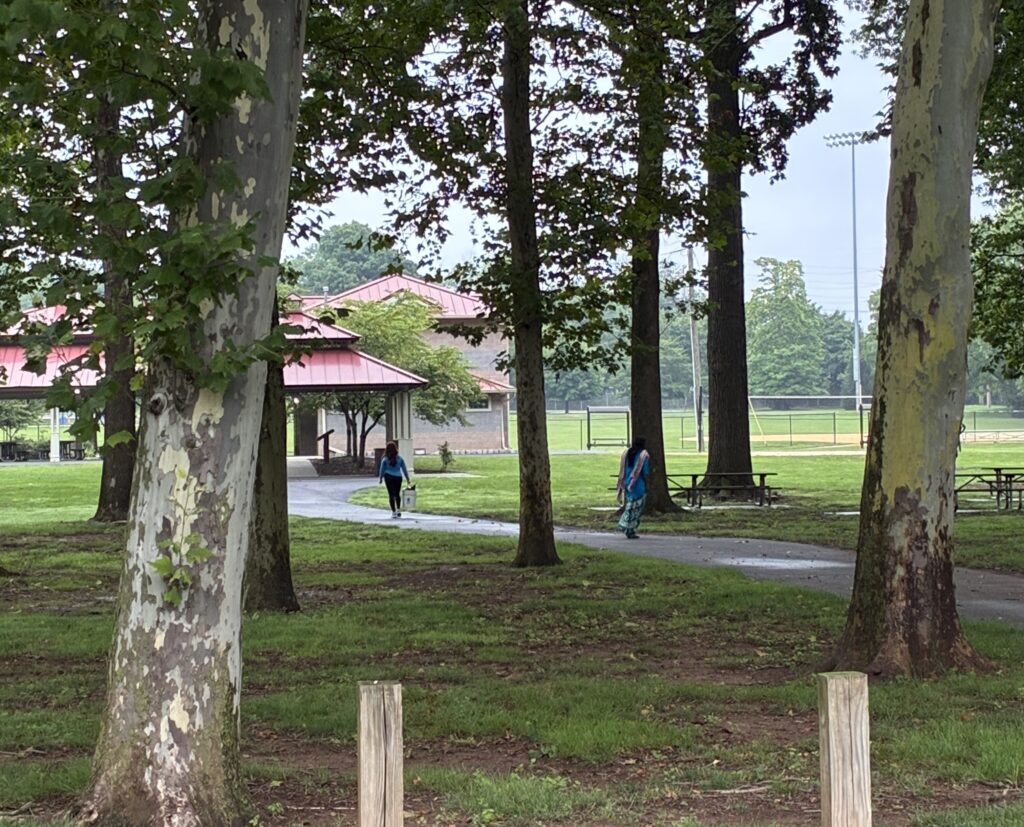
Olesya, Lakshmi and Bryanna collected five gallons of trash at Riverside Park. Laksmi and Olesya are seen going to empty the trash bucket into a larger trash can. Photo by Endurance Laryea
I wondered where all the geese were when we arrived at the parking lot today. After sampling, Olesya pointed them out to me– they had moved further downstream from the park. The increase in scrub growth along the bank of the river makes it difficult for them to access it from the parking lot. This is great for Riverside Park because it reduces the amount of fecal matter from the geese t that gets washed into the river during rainfall. But wouldn’t the geese just find somewhere else along the river? Yes, they might. However, it may not impact Riverside Park as much as it does when the geese are at this site. This site is one where people come into primary contact with the river, so it would best for the geese to move elsewhere where people do not come into contact with the river.
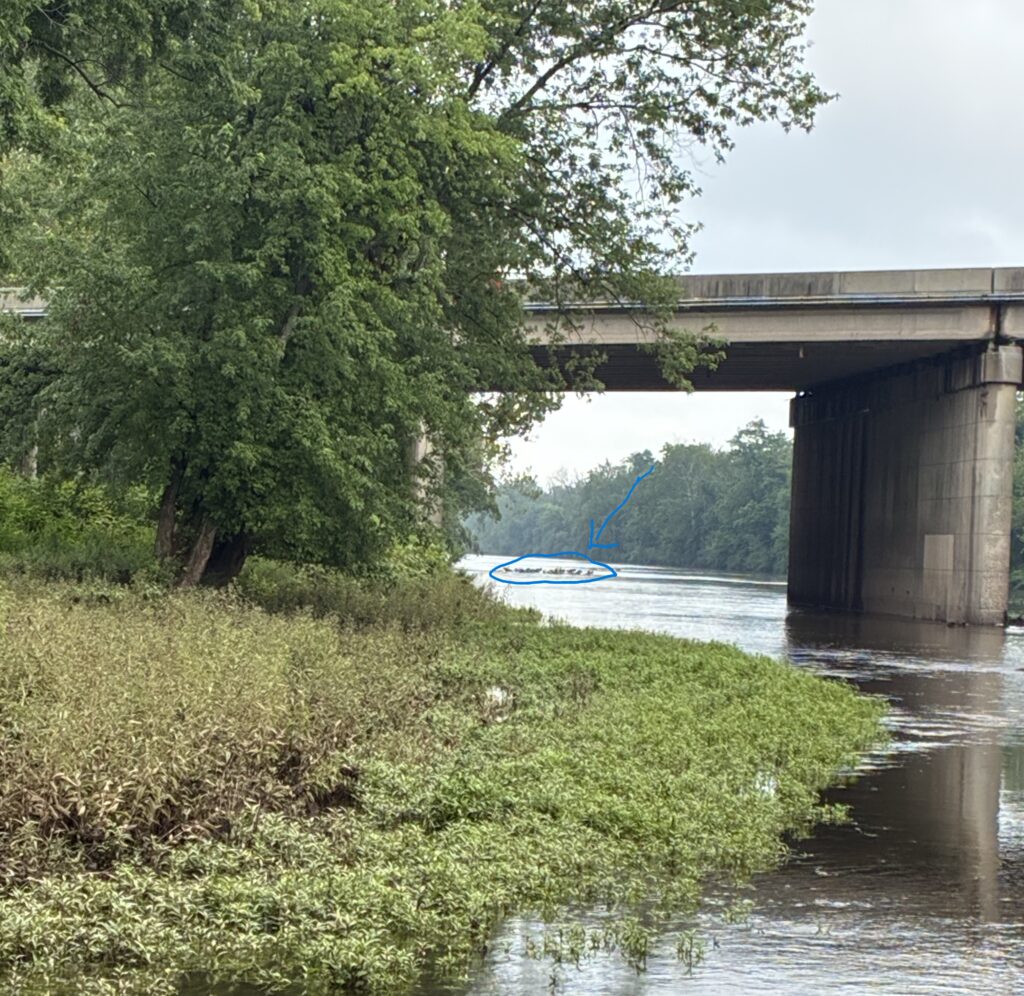
Photo by Endurance Laryea.
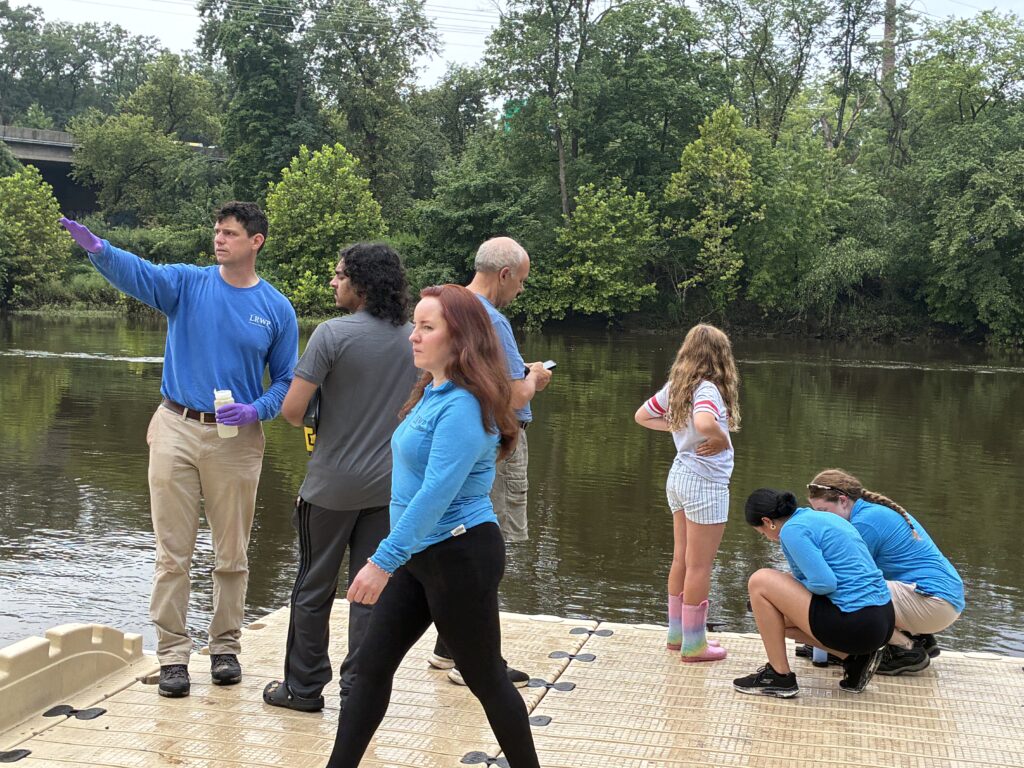
A huge team today! John explains the landscape at Riverside Park to Michael, a resident of Piscataway, Art completes the visual habitat assessment for Riverside Park, Ashley and Paula take hydrological measurement while Bryanna observes. By Endurance Laryea
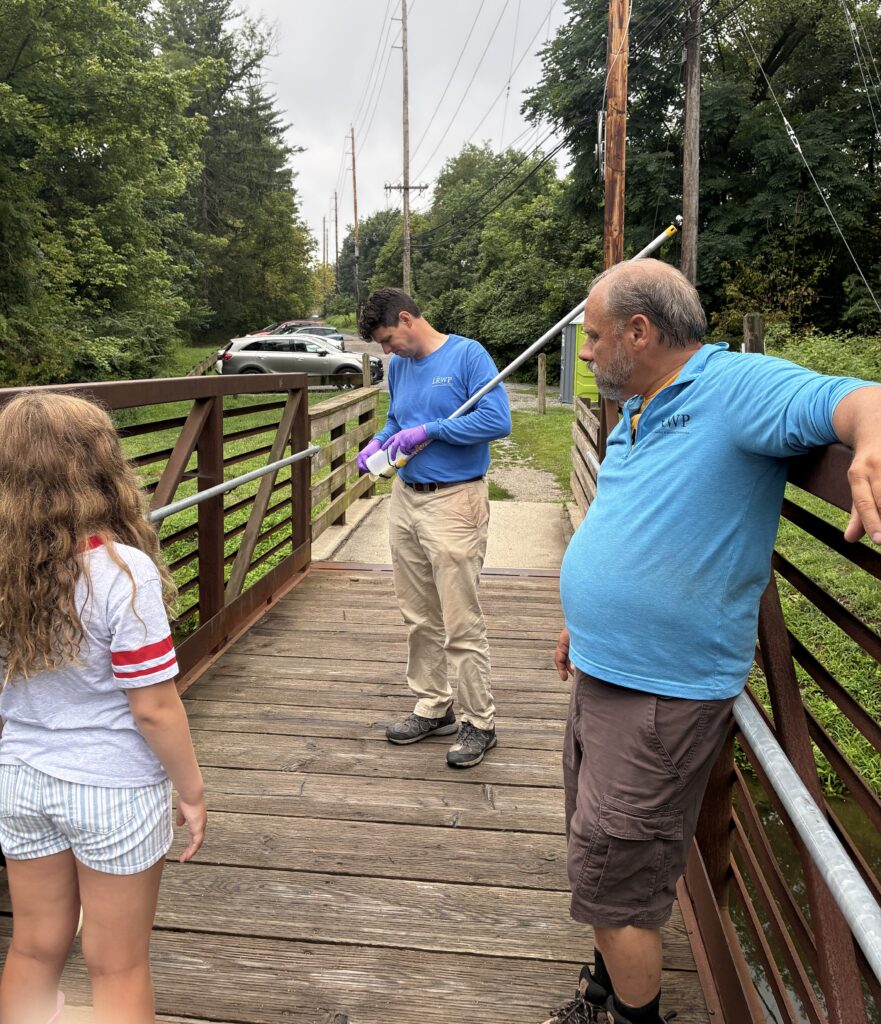
On the bridge of the D&R canal near the Van Wickle House, John gets ready for sampling duties as he straps the sample bottle on the sampling stick. The canals are the only sites that usually require a sampling stick because of how far the surface of the water is from wherever we stand. Photo by Endurance Laryea
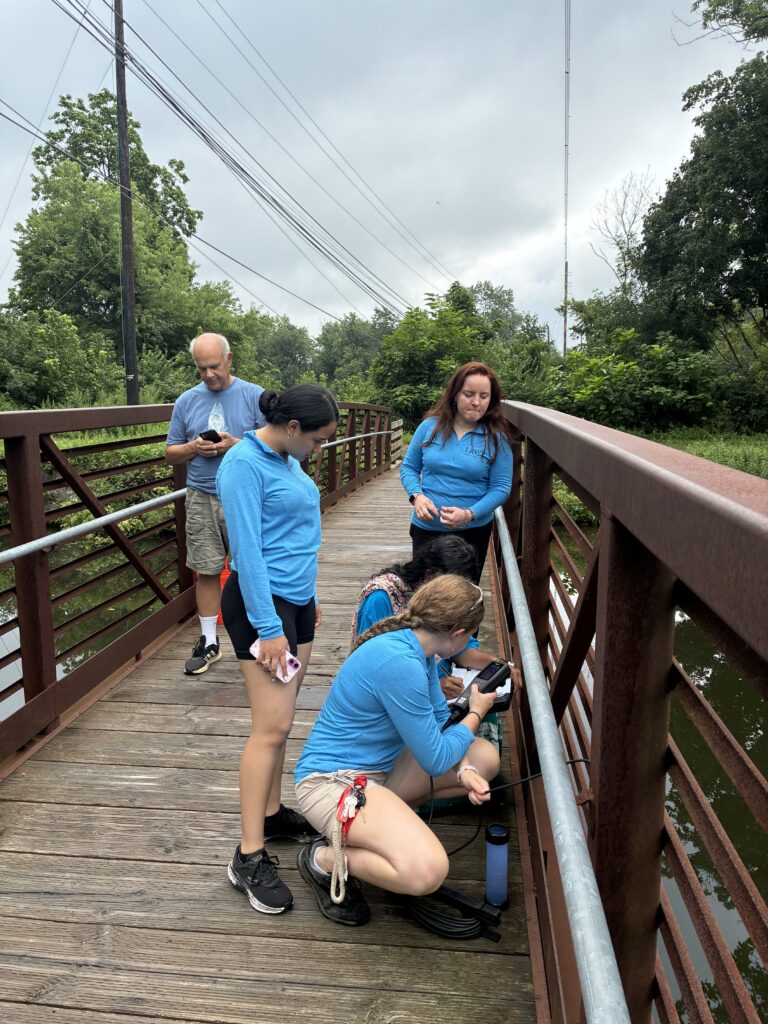
Art completes the habitat assessment for D&R canal while Lakshmi and Ashley handle measurement recording. Photo by Endurance Laryea.
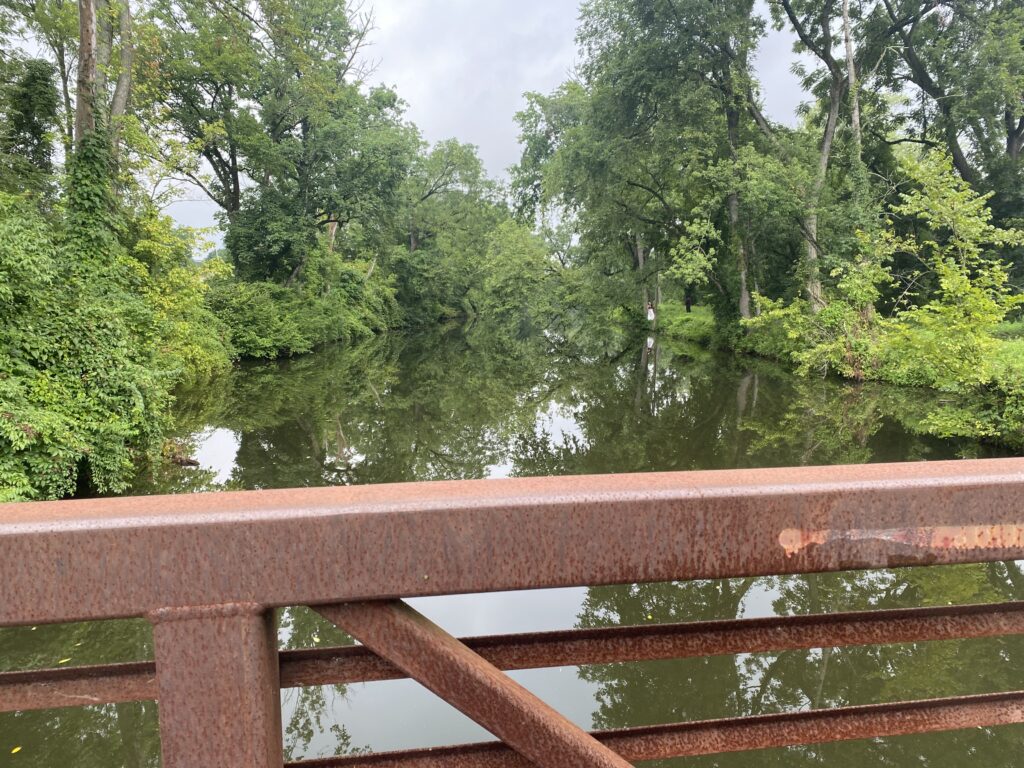
Turns out I am not the only one who thinks this is a great photo spot. Two people appeared to be in the middle of a photo shoot at the site–I’m sure their pictures turned out great! Photo by Mike Orsini
The tide was higher at Piscataway when we started monitoring but it has gone out by the time we reached Rutgers Boat House, New Brunswick.
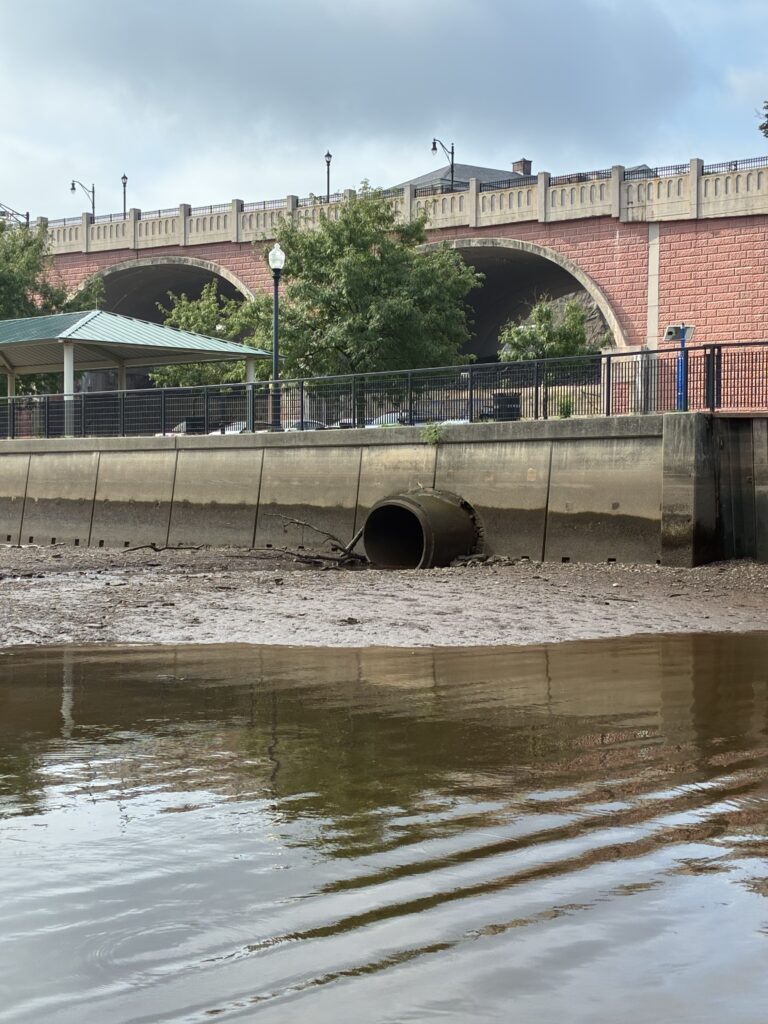
Photo by Endurance Laryea.
John had a fun activity for Bryanna. He gave her a sheet that had information on the ranges of temperature, pH and dissolved oxygen levels and their effect on fish activity. Lakshmi, Olesya, Paula, Ashley and I guided her as she compared the measurements we had gotten so far to the information on the sheet. She then concluded that all the fishes were fine because the parameters were all in the safe range according to the sheet.
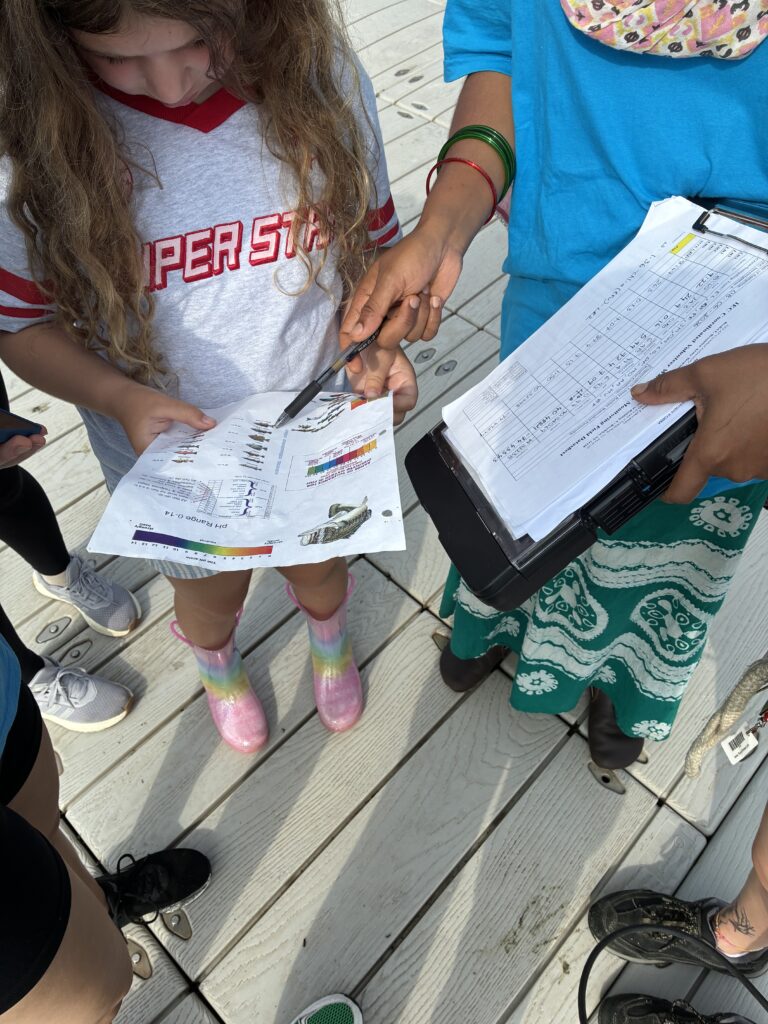
Photo by Endurance Laryea.
Second cleanup, since the start of pathogens monitoring this summer, witnessed at Edison Boat Launch today.
Last time, the cleanup was done between the two docks only. This time, it was being done at the right side of the right dock where most of the debris is and gets swept to the middle of the docks. It will now be easier for boats and kayaks to access the river at this site.
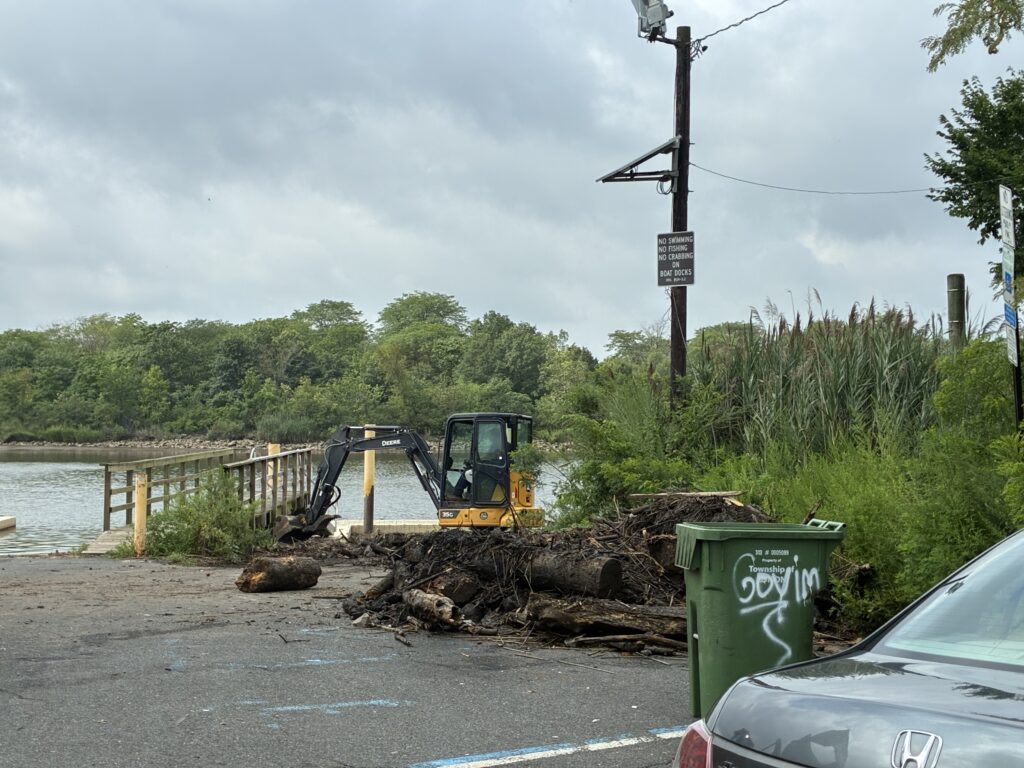
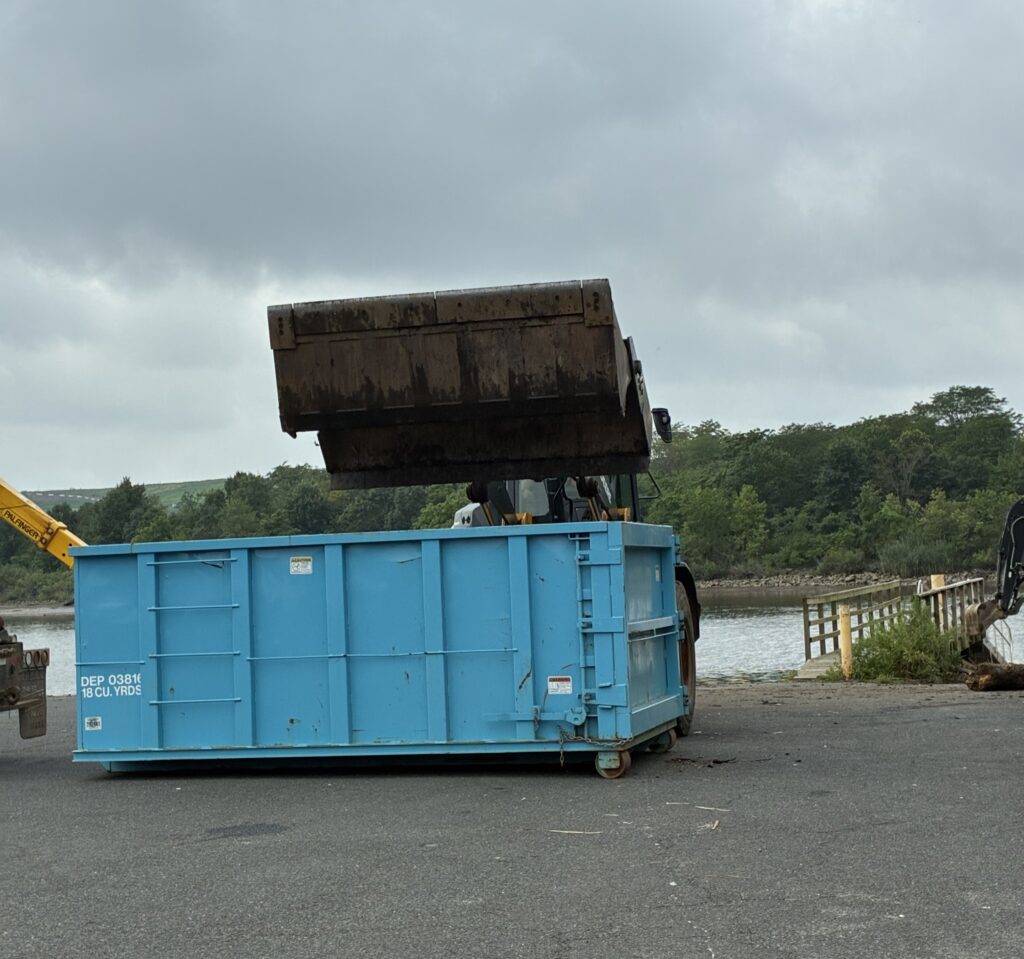
Photos by Endurance Laryea.
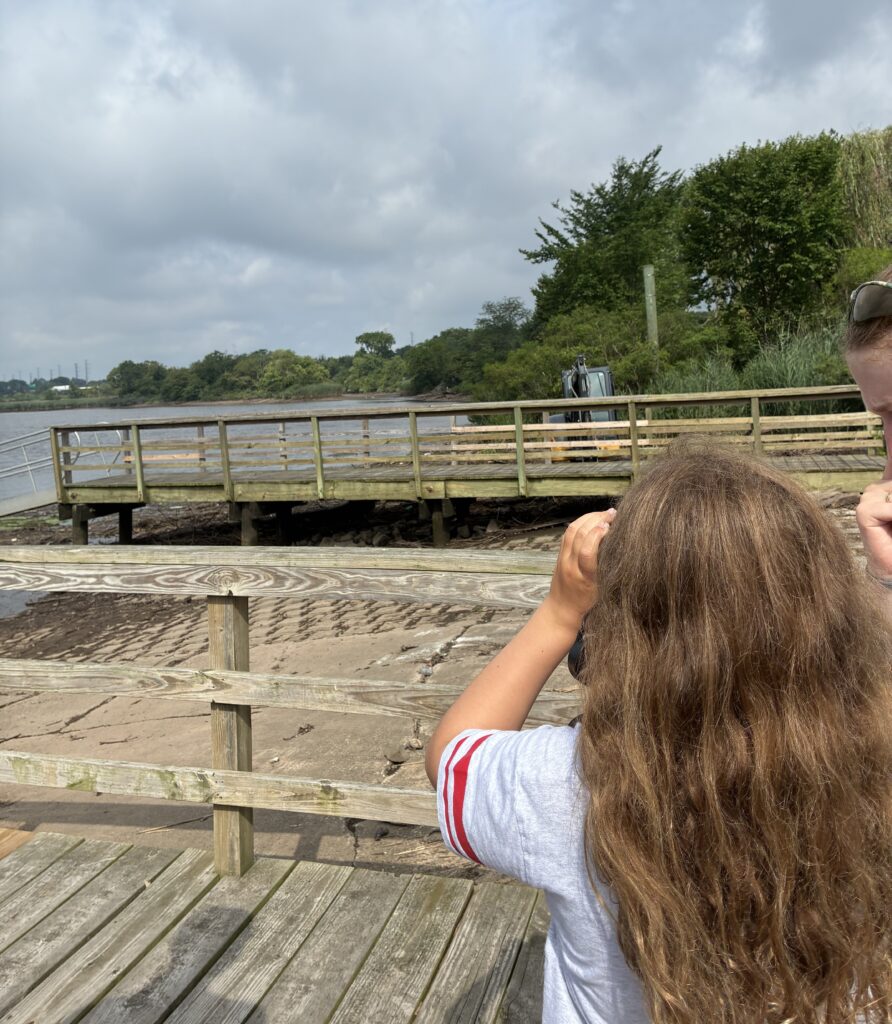
Art spotted a bird and gave his binoculars to Bryanna for her to try spotting and identifying it too. Photo by Endurance Laryea.
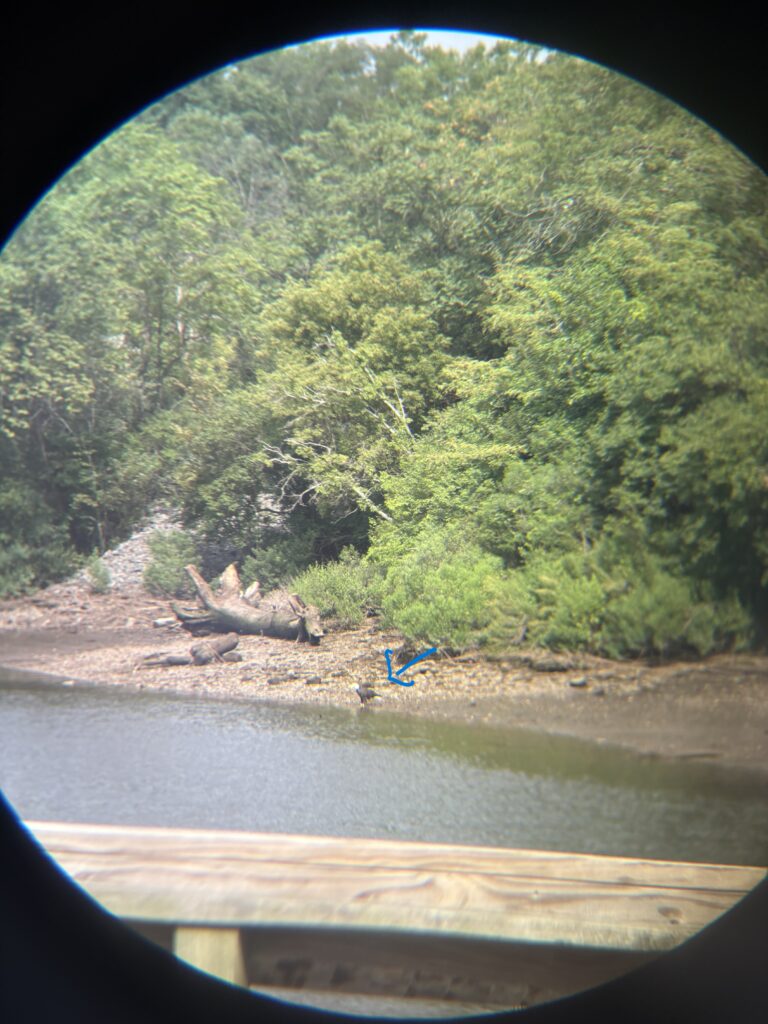
After a couple of minutes, she exclaimed, ‘Oh I see it, it’s a bald eagle!’ It was, indeed, a bald eagle. Photo by Ashley Fritz.
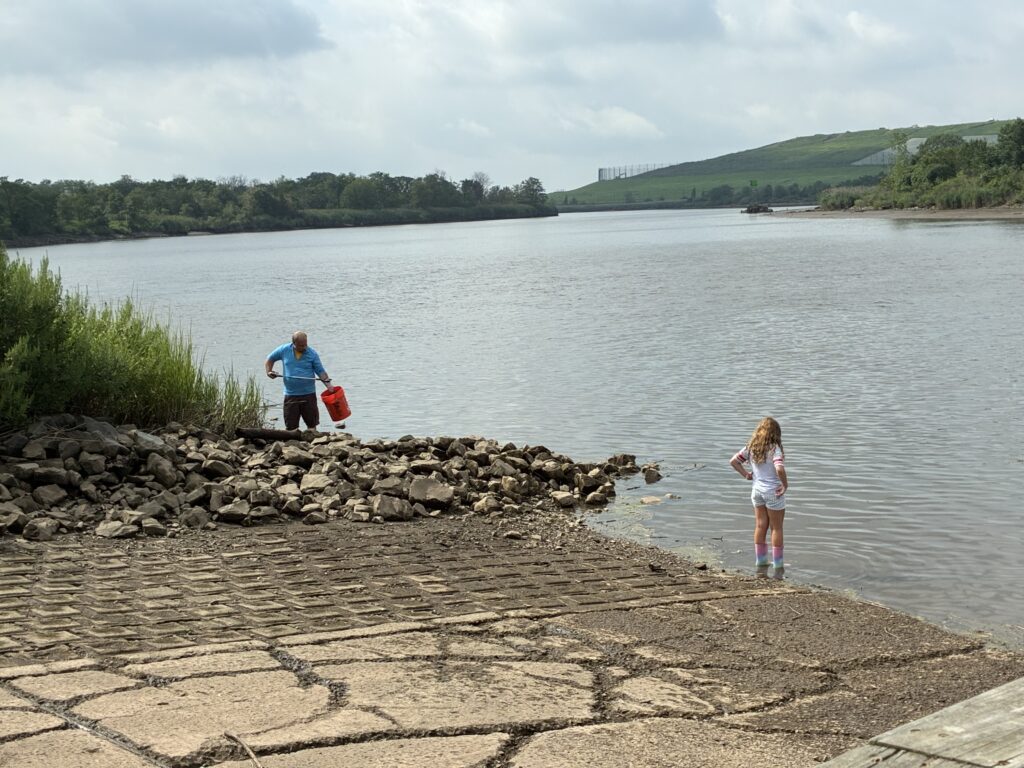
Mike on trash duty while Bryanna washes her boots at the bank of the river. Photo by Endurance Laryea.
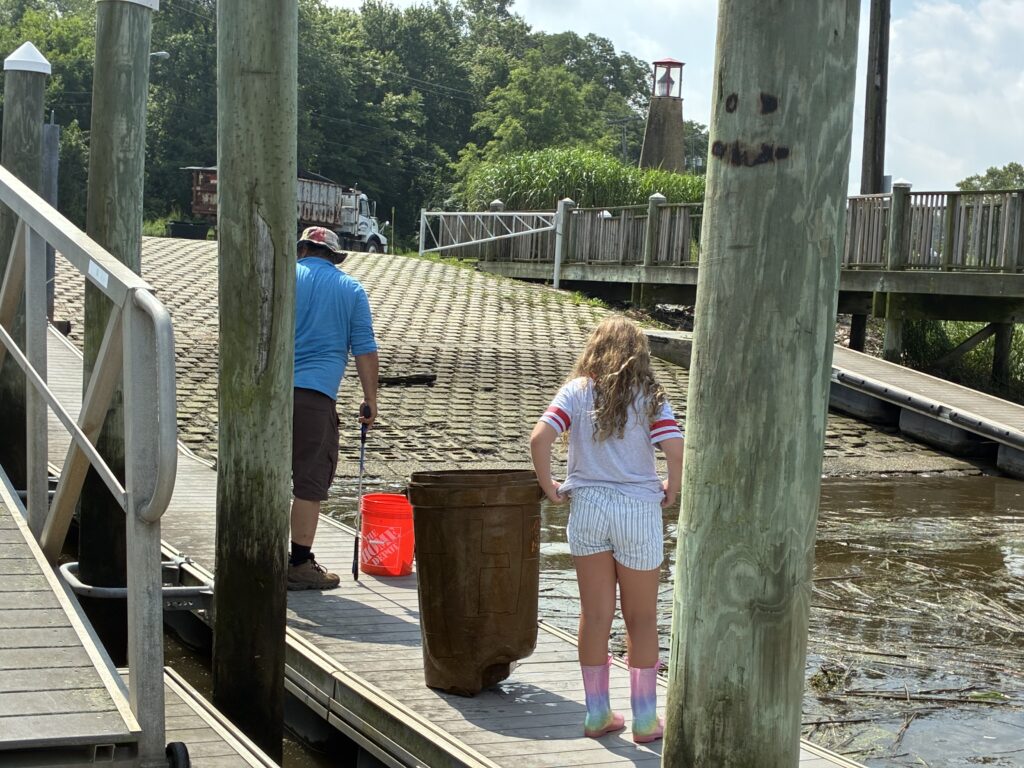
Mike pulled out this huge plastic bucket out from the river at Sayreville. This is his largest pick-up yet! Photo by Endurance Laryea.
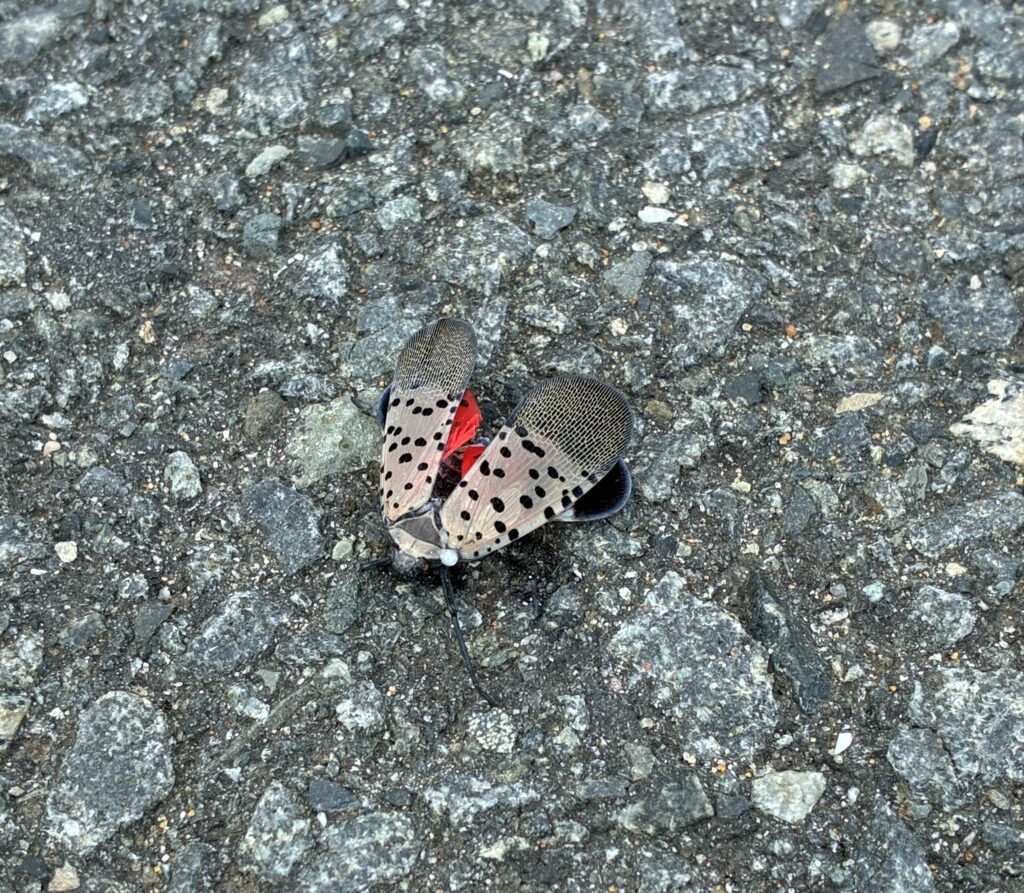
This is a spotted lantern fly, spotted (no pun intended) on the parking lot of Waterfront Park in South Amboy. Spotted lantern is an invasive species in the United States that cause significant damage to agricultural crops and ornamental plants as well. So, unfortunately, when seen, these beautiful flies need to be stepped on to prevent damage to prevent damage to New Jersey plants. Photo by Endurance Laryea
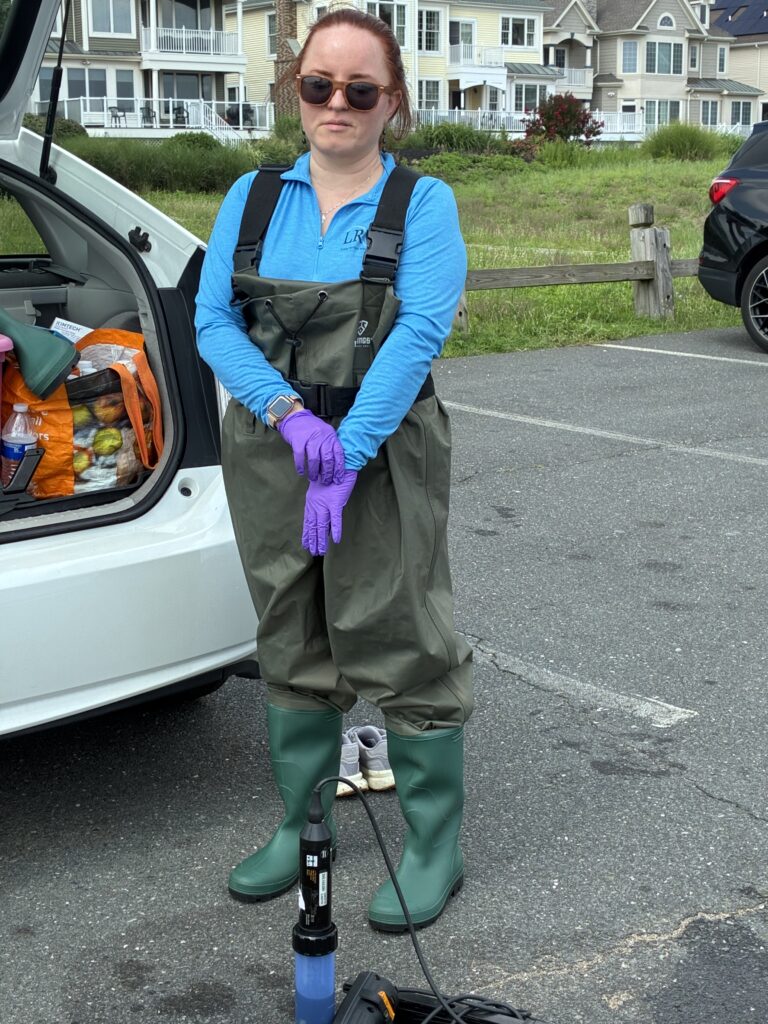
Olesya gets ready for sampling duties at Waterfront Park with her waders. Photo by Endurance Laryea.
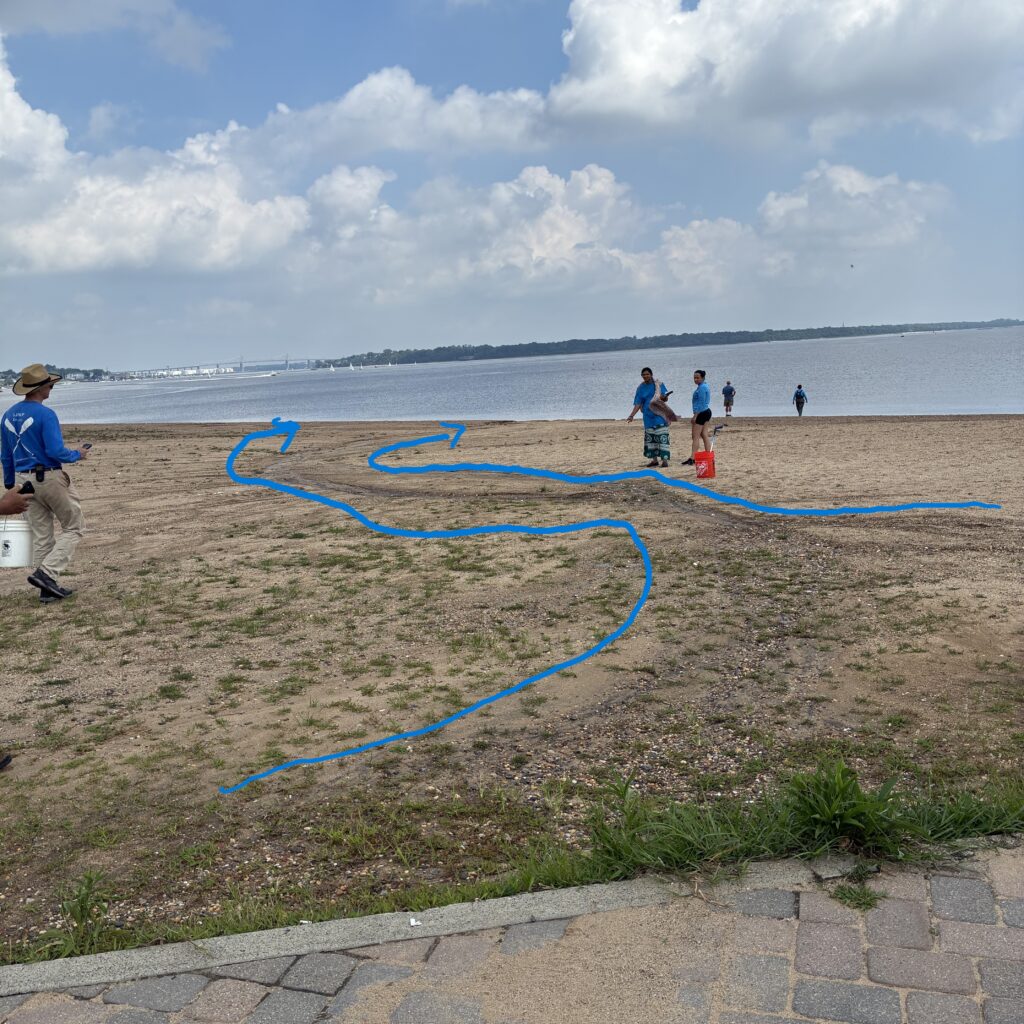
This erosion pathway created by rushing rainwater from the parking lot and walkway can be a highway for pollutants (like sediments, debris, litter) to get into the river. This is known as Nonpoint Source Pollution. Nonpoint Source Pollution (NPS), defined by the EPA, is any type of pollution that is not coming from a point source such as a sewage pipe, an industrial pipe or channel etc. It could be from land or road runoff. One simple way to curb Nonpoint Source Pollution is to keep litter, pet waste and debris out of roads, parking lots etc., to prevent them from getting washed into the river during precipitation. Basic Information about Nonpoint Source (NPS) Pollution | US EPA Photo by Endurance Laryea.
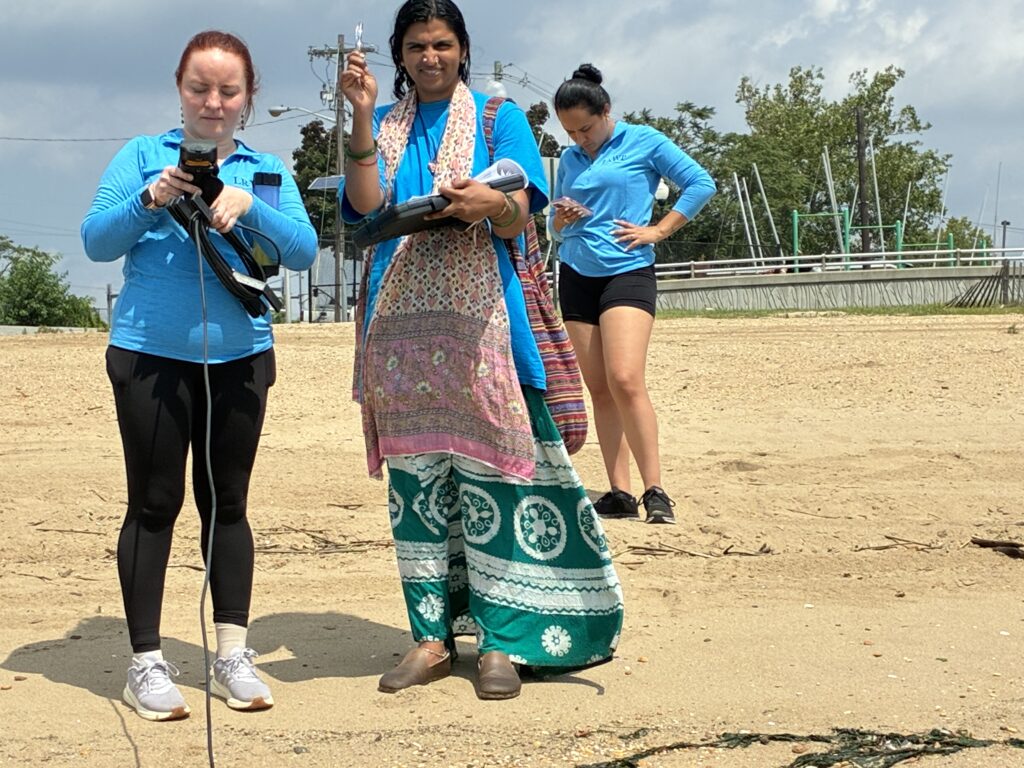
Olesya and Lakshmi on measurement recording duty. Photo by Endurance Laryea.
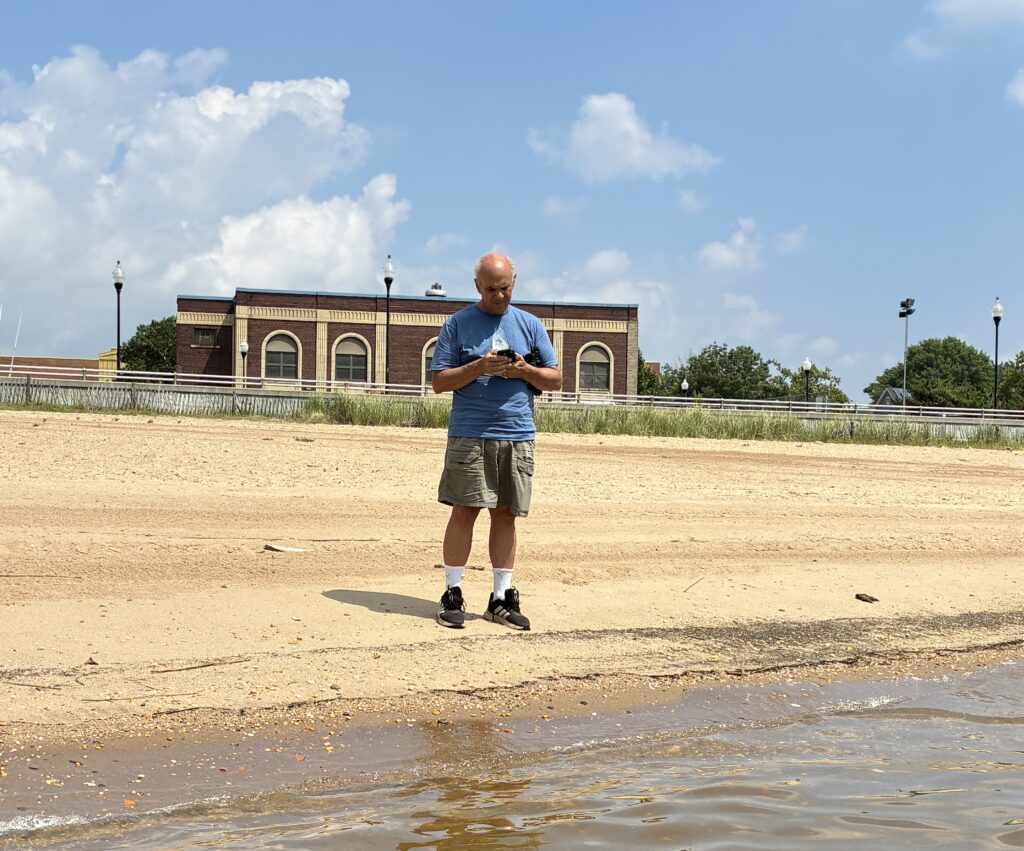
Art on visual habitat assessment duty. Photo by Endurance Laryea.
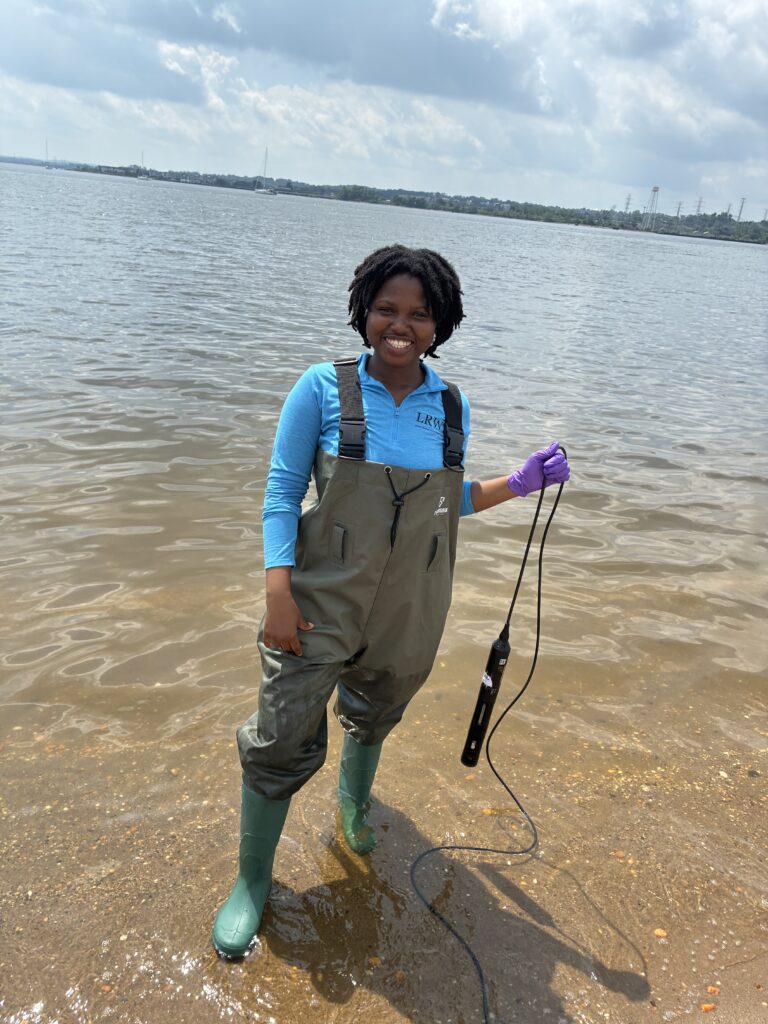
Endurance poses for a photo at the end of monitoring. Photo by Lakshmi
Stay safe and cool!
