Here at the Lower Raritan Watershed Partnership (LRWP), we believe that a healthy Raritan River and Lower Raritan Watershed is possible, restored and sustained through collaboration, participatory science, and stewardship.
Our work connects the dots between individual action and collective impact, realizing healthy ecological connections on the path to a healthy watershed. As a growing 501(c)(3) nonprofit with a slate of new programs coming on line in 2026, the LRWP is looking for Board Members and Technical Advisory Committee Members to join us in this shared work. While we are open to contributions from individuals with expertise of all kinds, we are also seeking individuals with experience in fundraising.
Please see our Board Member/Technical Advisory Committee Member Application Package (below).
The Board of Directors (“Board”) of LRWP is a working and governing board and is responsible for oversight of the strategic, financial, operational, and policy decisions for the organization. At present, the Board manages the administration of policy and practice as well as operations. Membership of the Board should represent leaders who demonstrate significant commitment and passion for the organization’s mission, strategic planning, and organizational success. Reporting to the Board Chair, Board Members typically serve three-year terms and make a meaningful financial commitment to the organization on an annual basis.
About the Technical Advisory Committee
Our Technical Advisory Committee meets 2-3x a year, providing “on call” expertise and often serving on behalf of the LRWP as liaison or representative with other organizations, committees or boards. The Technical Advisory Committee members report to the Chair of the LRWP Organizational Support Committee. Membership of the Technical Advisory Committee should represent field experts or community leaders whose knowledge and work dovetails in significant way with the LRWP’s initiatives. Technical Advisory Committee Members typically serve three-year terms and are expected to participate in key annual organizational events (TAC meetings, the LRWP Annual Meeting, etc).
LRWP is proud to welcome Heather Fenyk as our first-ever Executive Director. As the organization continues to grow in scope and impact, this new chapter reflects both momentum and intention. I spoke with Heather about stepping into this role and her vision for the watershed’s future.
NC: Congratulations on becoming LRWP’s first Executive Director! What does this moment mean for the organization? HF: Thank you — it’s truly an honor. This role represents an evolution for LRWP. For years, we’ve accomplished so much as an all-volunteer organization. Moving to a structure with dedicated staff signals that we’re ready to deepen and expand our impact. It doesn’t change who we are at our core — we remain rooted in partnership and volunteer energy — but it allows us to be more strategic, responsive, and consistent in our work across the watershed.
NC: What are your priorities as you step into this position? HF: Along with strengthening our internal processes, building systems, and continuing our fundraising efforts, I want to focus on cultivating a true “watershed ethic.” That means helping people understand how data connects to policy and how policy connects to lived experience.
We need stronger vertical integration — from scientific monitoring to municipal decision-making. For example, pathogen monitoring data should inform MS4 planning and then ultimately support stormwater utilities. Hyper-local data needs to translate into concrete examples communities can act on.
We must think regionally and at the county level. Watershed-scale planning and implementation allow us to address flooding, wildfire risk, land management, and ecological restoration as interconnected systems rather than isolated issues.
NC: LRWP was recently awarded the DEP’s Extreme Weather Resiliency Grant — our largest grant to date. What does this project represent? HF: This grant is both a milestone and a responsibility. We will be developing an Extreme Weather Resilience Plan focused on remediated and contaminated sites in Middlesex County, selecting ten priority sites — five impacted by flooding and five affected by wildfires — and conducting comprehensive vulnerability assessments.
This project embodies our watershed approach. Extreme weather doesn’t respect municipal boundaries, and neither do environmental risks related to pollutant flows. By examining these sites through a resilience lens, we can help municipalities better understand vulnerabilities and integrate those findings into planning and implementation. It’s about preparing for the future with science-based, regionally informed solutions.
NC: LRWP has grown significantly over the past decade. How do you see your role building on that momentum? HF: LRWP has earned tremendous credibility. People recognize it as a trusted voice for the watershed. My role is to build on that trust — strengthening our educational programming, supporting thoughtful advocacy, and helping translate big-picture watershed issues into meaningful local action. Residents need to see how what happens in their town connects to the health of the entire watershed system.
NC: Partnership has always been central to LRWP’s identity. How will that continue? HF: Partnership is everything! I see LRWP as both a convener and a collaborator. Whether we’re working with elected officials, environmental commissions, schools, or community groups, our approach is rooted in shared purpose. We want to create opportunities for people to talk to each other — not at each other — and to build solutions grounded in respect, data, and common goals.
NC: What do you see as your goals as Board President? DT: LRWP is, at its heart, a volunteer board. That shapes how I see this role. My primary goal is to support the work of our subcommittees and make sure they have what they need to thrive. If I can help remove administrative hurdles and keep us organized and focused, that’s a win. I also see my role as offering strong support to Heather Fenyk as she steps into her new position as Executive Director. Leadership works best when it’s collaborative, and I’m committed to making sure she has the partnership she needs.
NC: How has LRWP grown over the past ten years? DT: We’ve grown from being a volunteer group to becoming THE volunteer group — “the Voice of the Watershed”. That reputation has been earned through consistency and credibility. Today, people are listening. Municipal leaders, residents, and partners recognize LRWP as a trusted resource. We’ve also become more strategic in our advocacy. For example, in 2020 we joined East Brunswick Township in litigation to protect a highly environmentally sensitive area from development. Actions like that aren’t taken lightly — they’re part of a broader effort to influence policy and strengthen protections across the watershed. We want our work to lead to systemic change.
NC: LRWP remains a relatively small organization, even as we welcome our first compensated Executive Director. How can we best serve the 50 municipalities within the watershed? DT: Capacity is still a challenge. We can’t be everywhere at once, but we can model what partnership looks like. That means building strong relationships with local governments, community organizations, educators, and residents. Our strength has always been collaboration. If we continue to connect people, share resources, and amplify good work, we can have an impact far beyond our size.
NC: What advice would you give to someone who wants to better appreciate the Lower Raritan Watershed? DT: Slow down. Pay attention. Listen carefully to what’s around you — the water, the landscape, the human communities. Ask questions and stay curious. The watershed isn’t just a physical place; it’s a living system we’re part of with a rich history and ever changing landscape. The more we practice that kind of attentive appreciation, the more motivated we become to protect it.
NC: Why should someone consider volunteering as an LRWP Board member?DT: Serving on the LRWP Board is a meaningful way to extend your commitment to your community, the environment and LRWP. It’s an opportunity to step back and look at the entire watershed — beyond municipal boundaries — and help shape its future. We welcome people who bring professional expertise, lived experience, and passion to the table. If you care about the Lower Raritan and want to make a tangible difference, we are actively looking for new board members to join us.
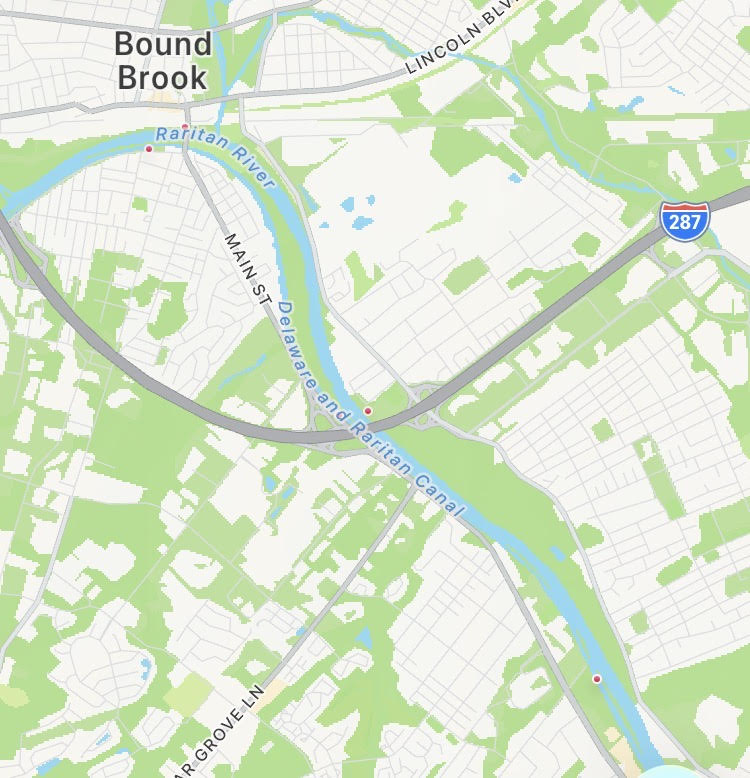
The Lower Raritan Watershed Partnership, working in partnership with Rutgers Cooperative Extension of Middlesex County and the Interstate Environmental Commission, will add four new monitoring sites for intermittent water quality monitoring starting May 2026 (register now to join us for monitoring training on May 18). These sites include the non-bathing public access Queens Bridge Recreational Access/Kayak Launch site along the Raritan River in Bound Brook, and three sampling stations along the Delaware & Raritan Canal.
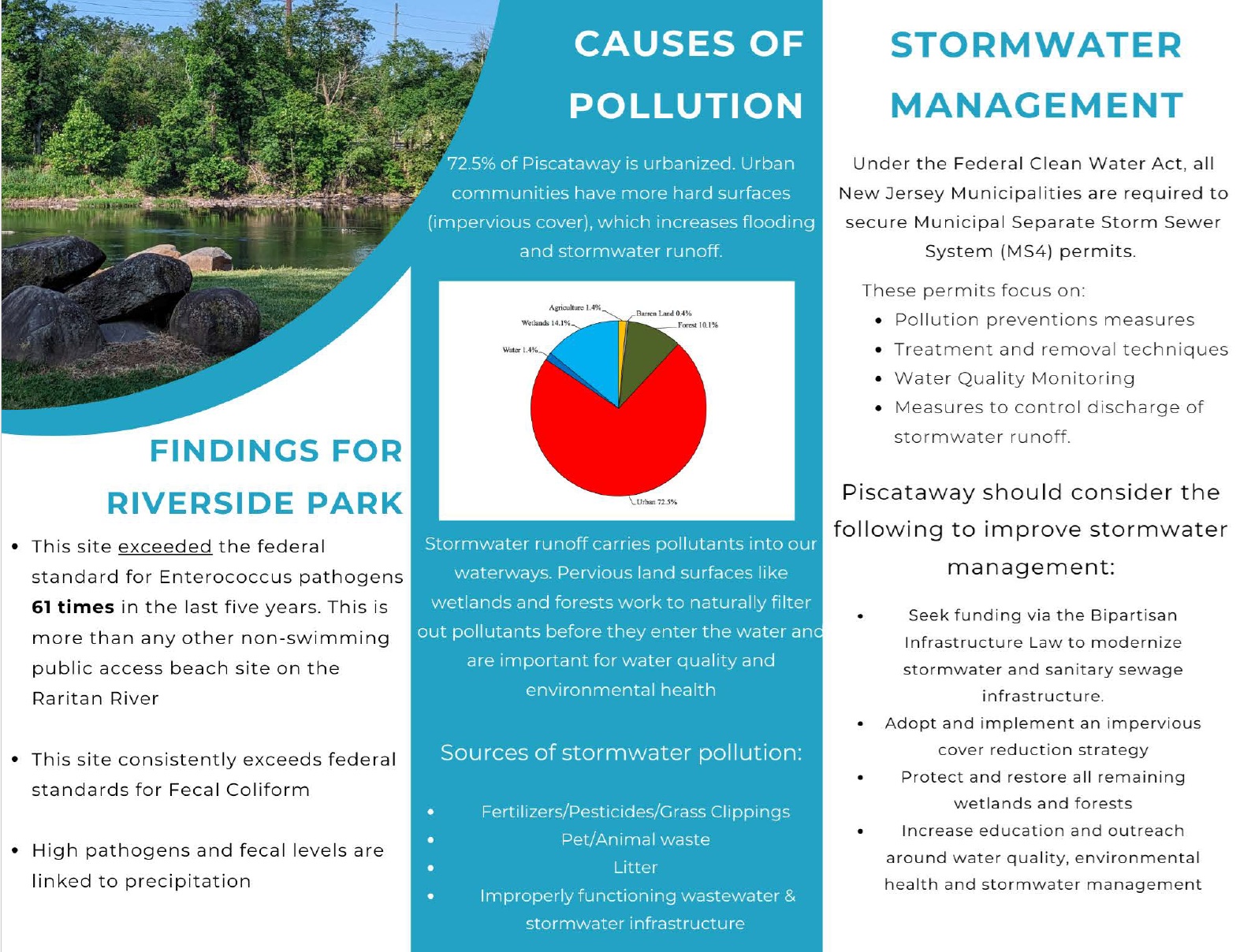
By adding these sites we aim to better understand why, year after year, presence of enterococcus and fecal contamination is highest at our current most upstream monitoring location: Piscataway’s Riverside Park. In including sites further upstream of Riverside Park we hope to be able to pinpoint the source(s) of contamination and identify specific sanitary sewage infrastructure for repair.
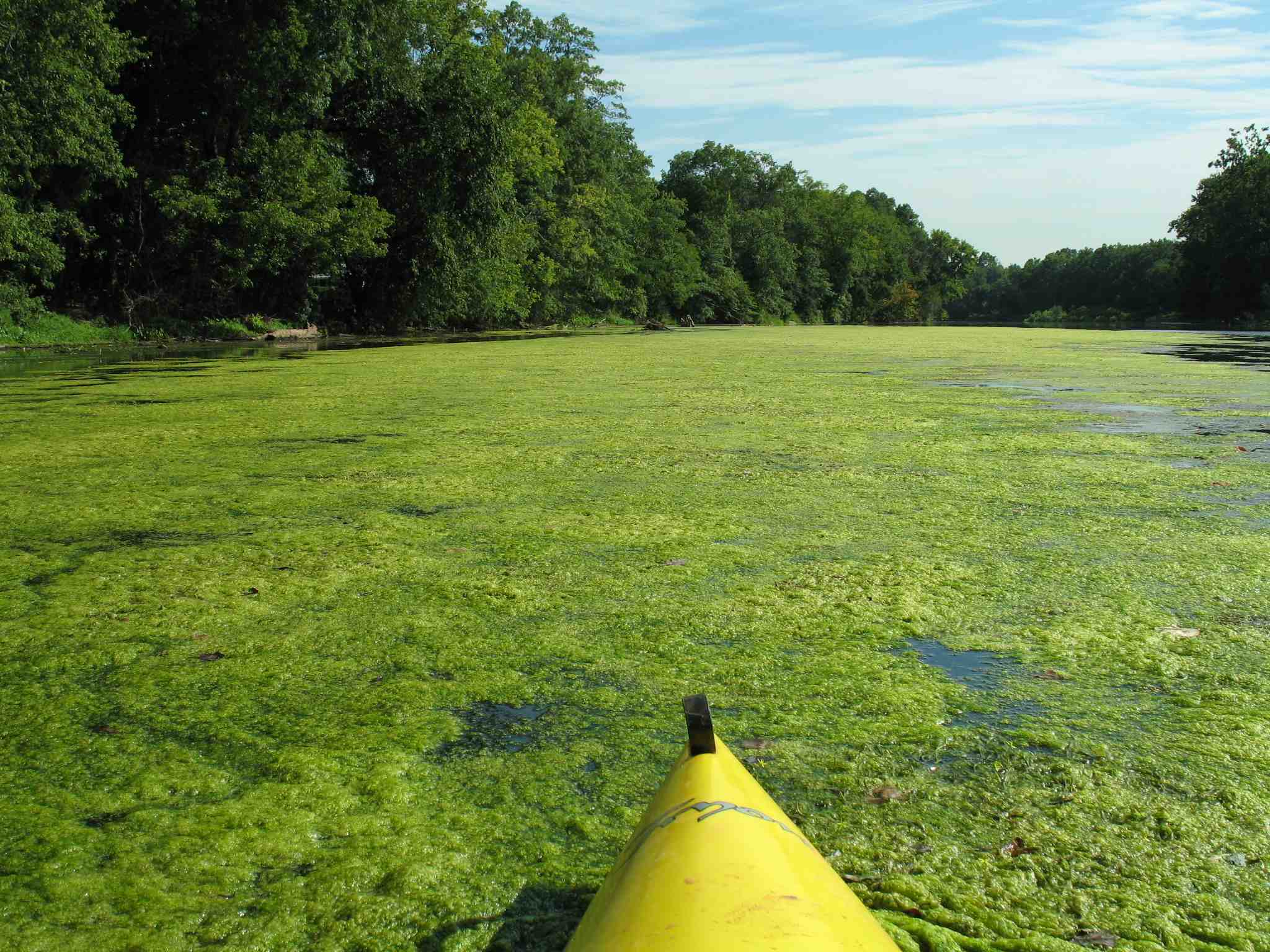
By sampling from the Delaware & Raritan Canal, we will begin to improve our understanding of how water quality results differ based on the “bathtub” like conditions of the canal vs. the moving riverine flows of the Raritan. 2026 sampling at these D&R Canal sites will serve as a baseline for future testing for presence of Cyanobacteria (blue-green algae) and Harmful Algal Blooms (HABS), which occur more often in still, stagnant or slow-moving water bodies like lakes, ponds, and canals.
Filamentous Mat Algae on the Raritan River, 2011 – photo by John Jengo
1. The Queens Bridge Recreational Access/Kayak Launch site.
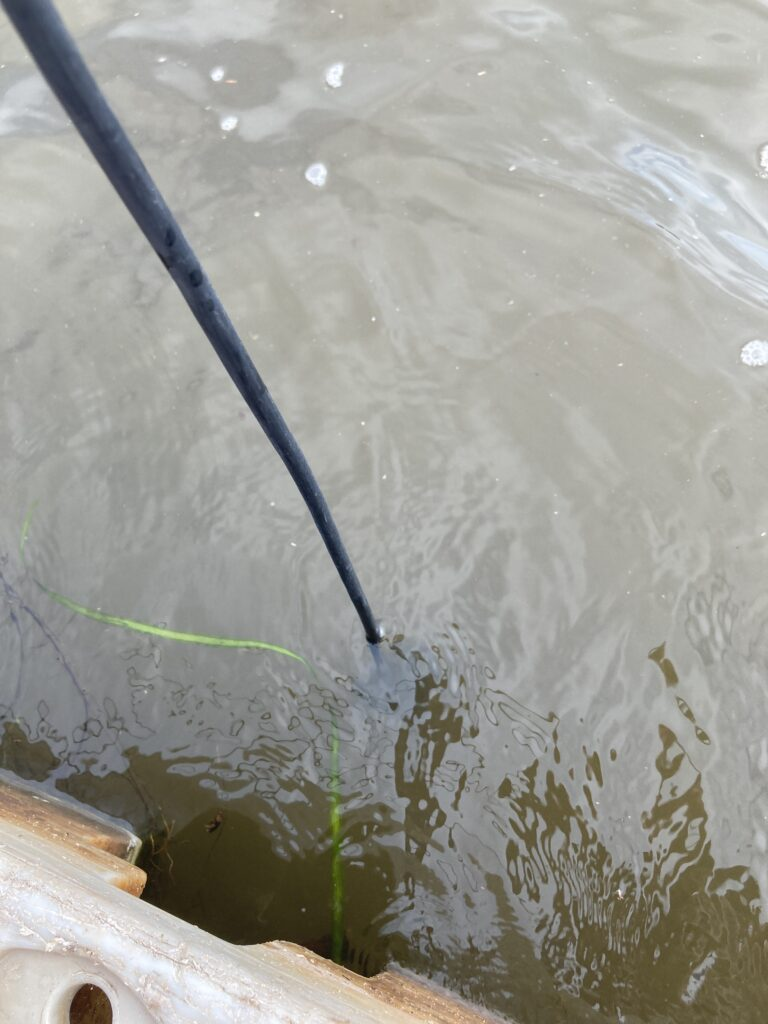
There are three big steps in our process. First, we collect a sample of the water to send back to the lab at the Interstate Environmental Commission. The sample must be kept in an ice chest to keep it cool until it can be analyzed by technicians back at the lab. Second, we use a device called a sonde to collect data on pH, temperature, oxygen levels, sediment, chlorophyl, salinity, and more. Third, we also conduct a quick habitat assessment, and then pick up any litter we see.
Pathogens/Enterococci levels are used as indicators of the possible presence of disease-causing bacteria in recreational waters. Such pathogens may pose health risks to people coming in primary contact with the water (touching) through recreational activities like fishing, kayaking or swimming in a water body. Possible sources of bacteria include Combined Sewer Overflows (CSOs), improperly functioning wastewater treatment plants, stormwater runoff, leaking septic systems, animal carcasses, and runoff from manure storage areas.
Our goal in reporting these results is to give residents a better understanding of the potential health risks related to primary contact during water-based recreation. If you are planning on recreating on the Raritan this weekend, make sure to stay safe and wash up after any activities.
The sonde disappears into the Raritan River at our site in Riverside Park, Piscataway. Photo credit: J.M. Meyer.