Meet LRWP’s Executive Director, Heather Fenyk
Interviewed by Nandini Checko, LRWP Board Member
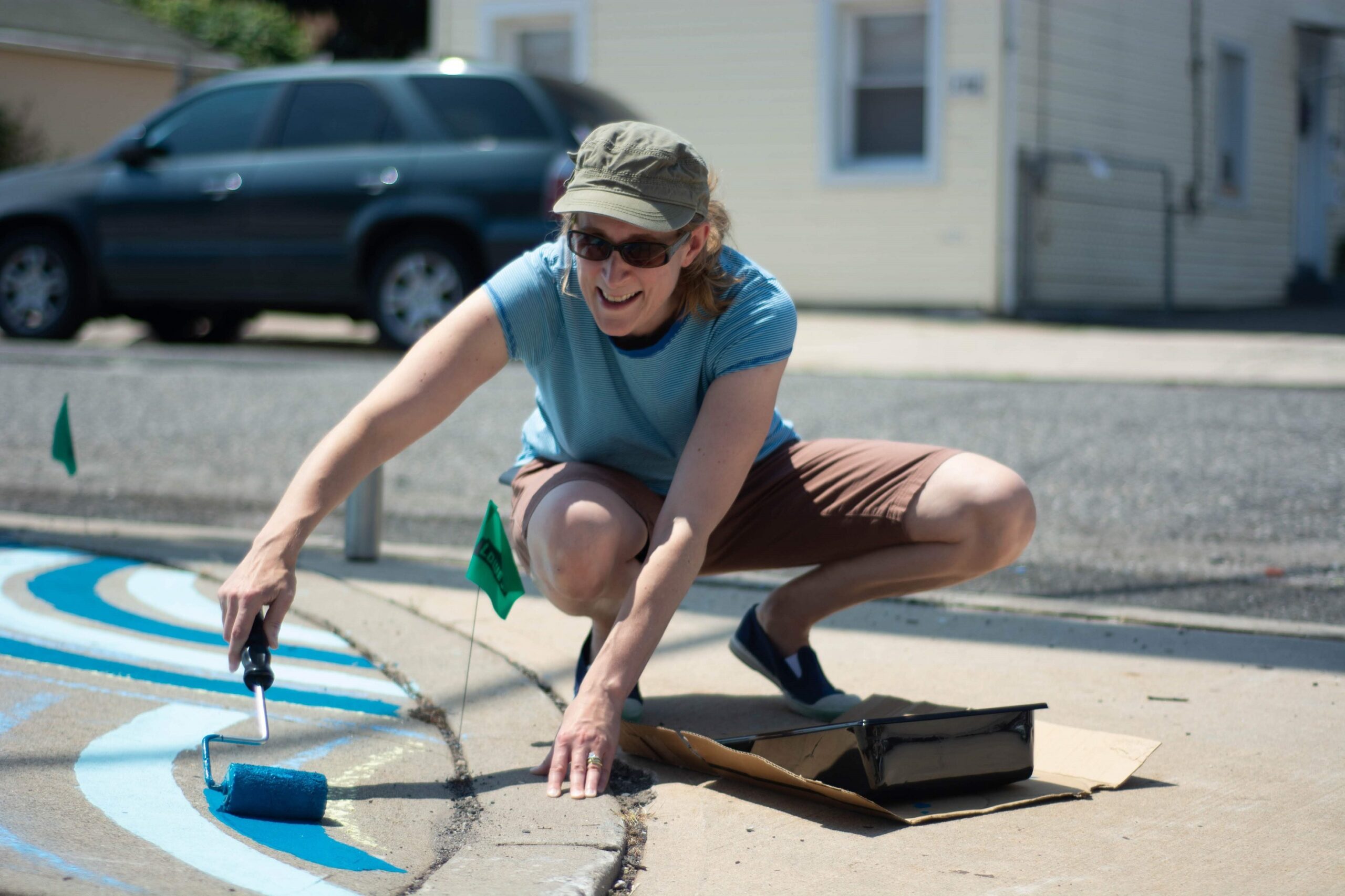
LRWP is proud to welcome Heather Fenyk as our first-ever Executive Director. As the organization continues to grow in scope and impact, this new chapter reflects both momentum and intention. I spoke with Heather about stepping into this role and her vision for the watershed’s future.
NC: Congratulations on becoming LRWP’s first Executive Director! What does this moment mean for the organization?
HF: Thank you — it’s truly an honor. This role represents an evolution for LRWP. For years, we’ve accomplished so much as an all-volunteer organization. Moving to a structure with dedicated staff signals that we’re ready to deepen and expand our impact. It doesn’t change who we are at our core — we remain rooted in partnership and volunteer energy — but it allows us to be more strategic, responsive, and consistent in our work across the watershed.
NC: What are your priorities as you step into this position?
HF: Along with strengthening our internal processes, building systems, and continuing our fundraising efforts, I want to focus on cultivating a true “watershed ethic.” That means helping people understand how data connects to policy and how policy connects to lived experience.
We need stronger vertical integration — from scientific monitoring to municipal decision-making. For example, pathogen monitoring data should inform MS4 planning and then ultimately support stormwater utilities. Hyper-local data needs to translate into concrete examples communities can act on.
We must think regionally and at the county level. Watershed-scale planning and implementation allow us to address flooding, wildfire risk, land management, and ecological restoration as interconnected systems rather than isolated issues.
NC: LRWP was recently awarded the DEP’s Extreme Weather Resiliency Grant — our largest grant to date. What does this project represent?
HF: This grant is both a milestone and a responsibility. We will be developing an Extreme Weather Resilience Plan focused on remediated and contaminated sites in Middlesex County, selecting ten priority sites — five impacted by flooding and five affected by wildfires — and conducting comprehensive vulnerability assessments.
This project embodies our watershed approach. Extreme weather doesn’t respect municipal boundaries, and neither do environmental risks related to pollutant flows. By examining these sites through a resilience lens, we can help municipalities better understand vulnerabilities and integrate those findings into planning and implementation. It’s about preparing for the future with science-based, regionally informed solutions.
NC: LRWP has grown significantly over the past decade. How do you see your role building on that momentum?
HF: LRWP has earned tremendous credibility. People recognize it as a trusted voice for the watershed. My role is to build on that trust — strengthening our educational programming, supporting thoughtful advocacy, and helping translate big-picture watershed issues into meaningful local action. Residents need to see how what happens in their town connects to the health of the entire watershed system.
NC: Partnership has always been central to LRWP’s identity. How will that continue?
HF: Partnership is everything! I see LRWP as both a convener and a collaborator. Whether we’re working with elected officials, environmental commissions, schools, or community groups, our approach is rooted in shared purpose. We want to create opportunities for people to talk to each other — not at each other — and to build solutions grounded in respect, data, and common goals.
