LRWP adds new sites for water monitoring
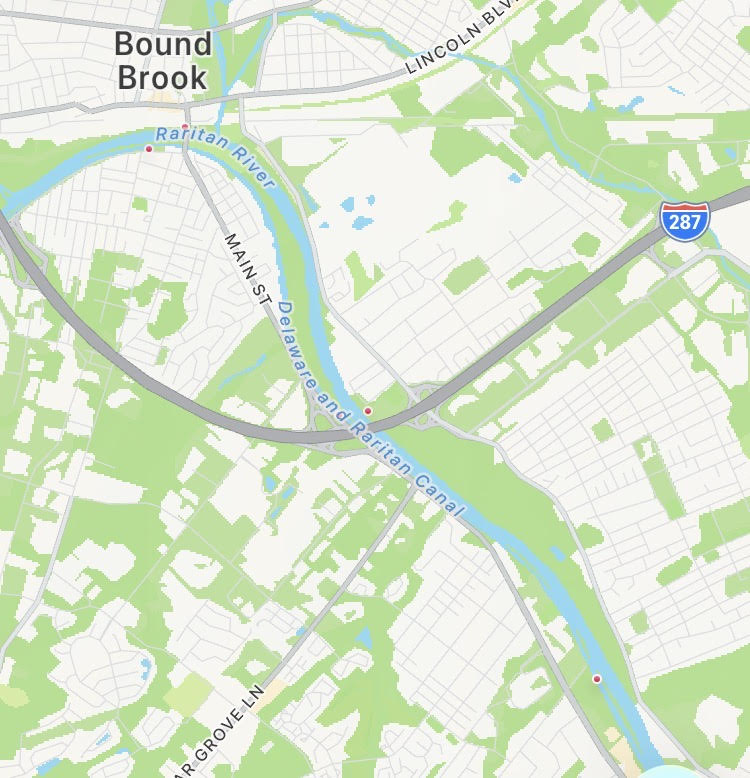
The Lower Raritan Watershed Partnership, working in partnership with Rutgers Cooperative Extension of Middlesex County and the Interstate Environmental Commission, will add four new monitoring sites for intermittent water quality monitoring starting May 2026 (register now to join us for monitoring training on May 18). These sites include the non-bathing public access Queens Bridge Recreational Access/Kayak Launch site along the Raritan River in Bound Brook, and three sampling stations along the Delaware & Raritan Canal.
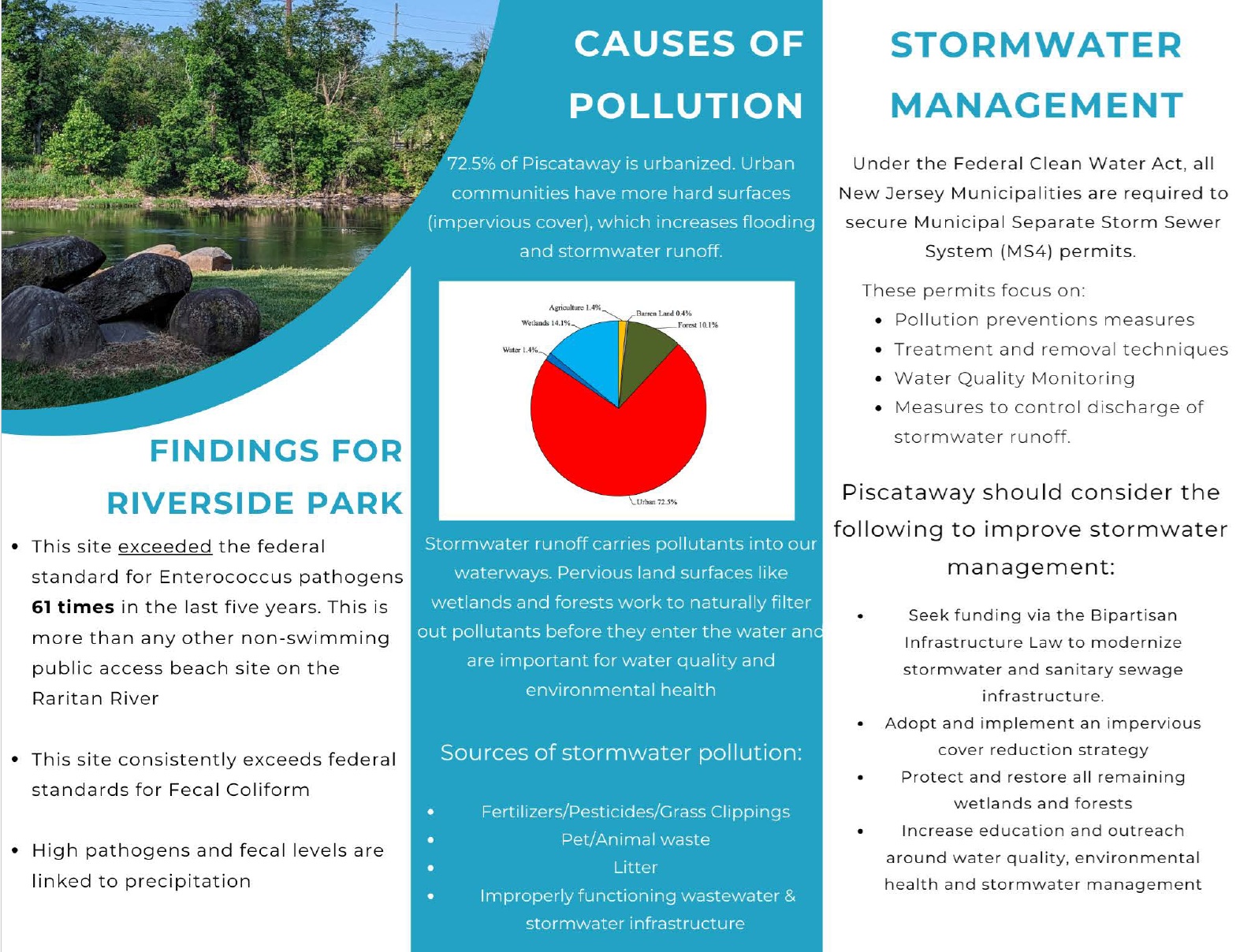
By adding these sites we aim to better understand why, year after year, presence of enterococcus and fecal contamination is highest at our current most upstream monitoring location: Piscataway’s Riverside Park. In including sites further upstream of Riverside Park we hope to be able to pinpoint the source(s) of contamination and identify specific sanitary sewage infrastructure for repair.
By sampling from the Delaware & Raritan Canal, we will begin to improve our understanding of how water quality results differ based on the “bathtub” like conditions of the canal vs. the moving riverine flows of the Raritan. 2026 sampling at these D&R Canal sites will serve as a baseline for future testing for presence of Cyanobacteria (blue-green algae) and Harmful Algal Blooms (HABS), which occur more often in still, stagnant or slow-moving water bodies like lakes, ponds, and canals.
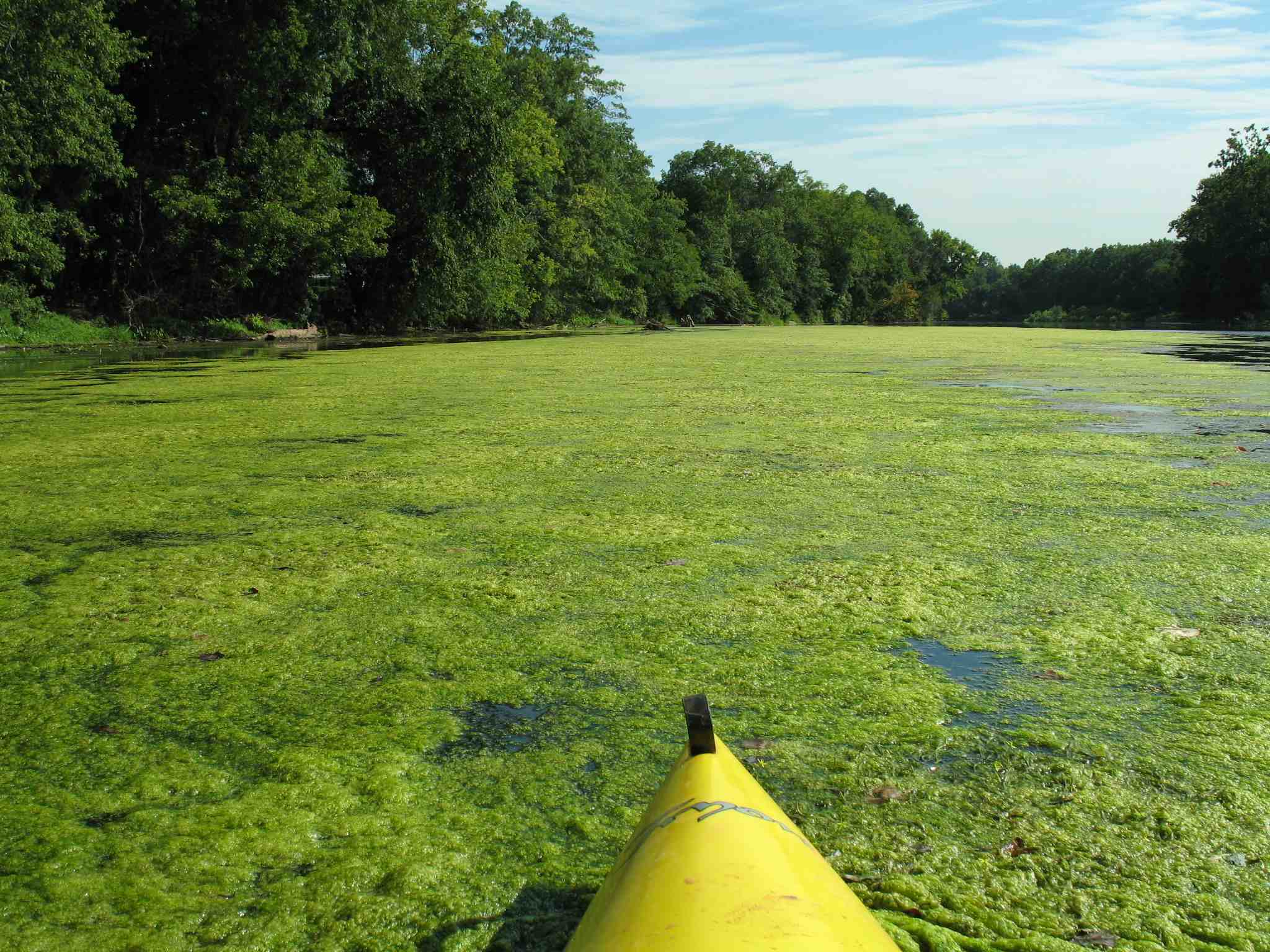
Filamentous Mat Algae on the Raritan River, 2011 – photo by John Jengo
1. The Queens Bridge Recreational Access/Kayak Launch site.
https://maps.app.goo.gl/8RBsLgEUpY8XAUc3A
2. The 11 Mile Lock on the D&R Canal State Park Trail.
https://maps.app.goo.gl/w3TDrZFxLpKkB7Aj7
3. The 5 Mile Lock on the D&R Canal State Park Trail.
https://maps.app.goo.gl/Pf6vRWjHqTfDWYkt8
4. The D&R Canal behind the DeMott Lane and the Historic VanWickle House.
https://maps.app.goo.gl/Aa9vi75MdxEU6aqj9
There are three big steps in our process. First, we collect a sample of the water to send back to the lab at the Interstate Environmental Commission. The sample must be kept in an ice chest to keep it cool until it can be analyzed by technicians back at the lab. Second, we use a device called a sonde to collect data on pH, temperature, oxygen levels, sediment, chlorophyl, salinity, and more. Third, we also conduct a quick habitat assessment, and then pick up any litter we see.
Pathogens/Enterococci levels are used as indicators of the possible presence of disease-causing bacteria in recreational waters. Such pathogens may pose health risks to people coming in primary contact with the water (touching) through recreational activities like fishing, kayaking or swimming in a water body. Possible sources of bacteria include Combined Sewer Overflows (CSOs), improperly functioning wastewater treatment plants, stormwater runoff, leaking septic systems, animal carcasses, and runoff from manure storage areas.
Our goal in reporting these results is to give residents a better understanding of the potential health risks related to primary contact during water-based recreation. If you are planning on recreating on the Raritan this weekend, make sure to stay safe and wash up after any activities.
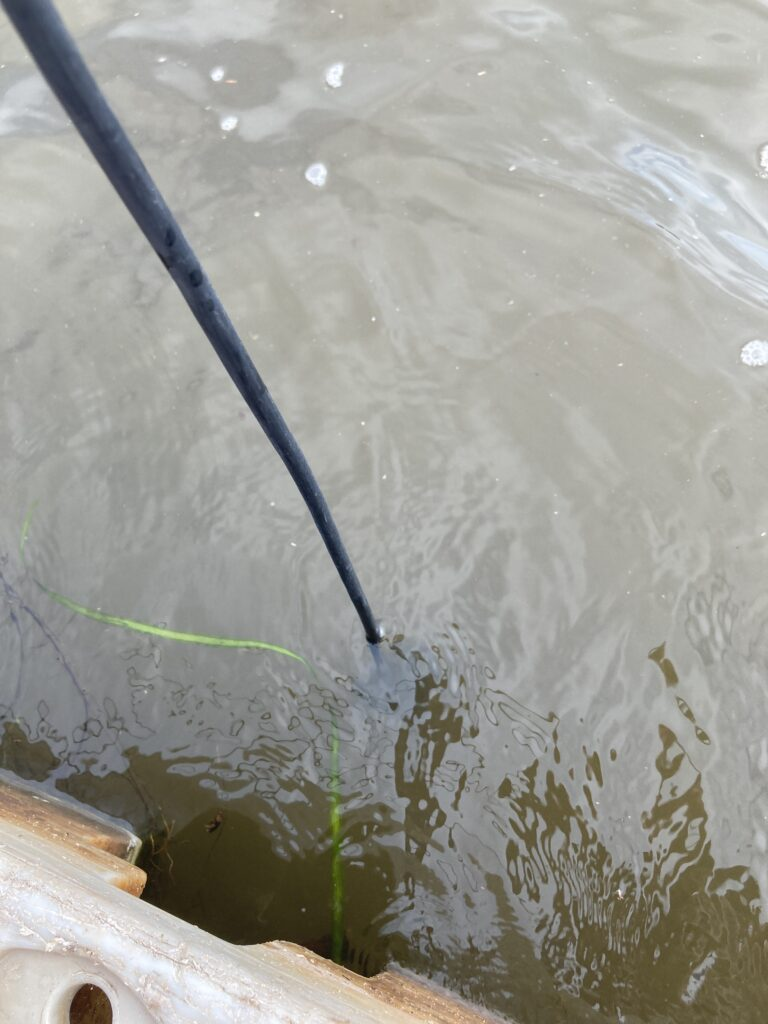
Photo credit: J.M. Meyer.
