
Raritan River Pathogens Results 06.17.2026
By Endurance Laryea, LRWP Summer Research Intern and J.M. Meyer.
The second pathogen monitoring session of the month took place on Thursday, June 17th. Each week during the summer, from May to October, the Lower Raritan Watershed Partnership and Rutgers Cooperative Extension of Middlesex County run a volunteer-based monitoring program along the Raritan River. We collect water quality samples at six non-bathing public access beach sites, provide our samples to the Interstate Environmental Commission for analysis in their laboratory, and report the results to the public. Our mission is to share this data with the community and partners to ensure the safe use of the Raritan River for all.
Our lab results for water quality samples taken on Thursday, June 17th, 2026, show Enterococcus bacteria levels exceeding the EPA federal water quality standard of 104 cfu/100mL at one of our monitoring sites this week. The problem site is indicated by the red frown on the map and chart: Riverside Park (Piscataway). Green smiles on the chart and map indicate the sites with bacteria levels safe for recreation and include the following: Rutgers Boathouse (New Brunswick), Edison Boat Basin (Edison), Ken Buchanan Waterfront Park (Sayreville) 2nd Street Park (Perth Amboy).
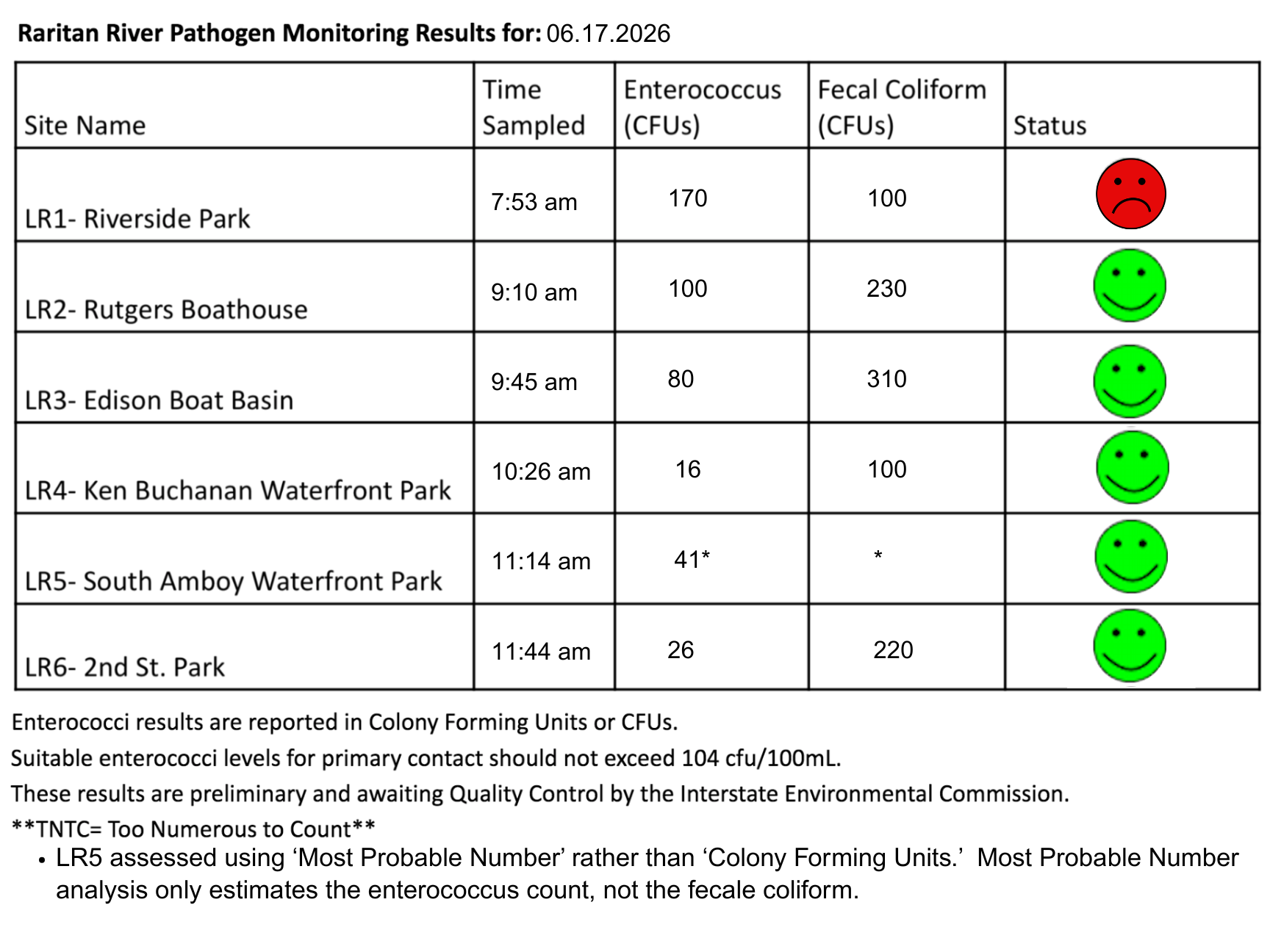
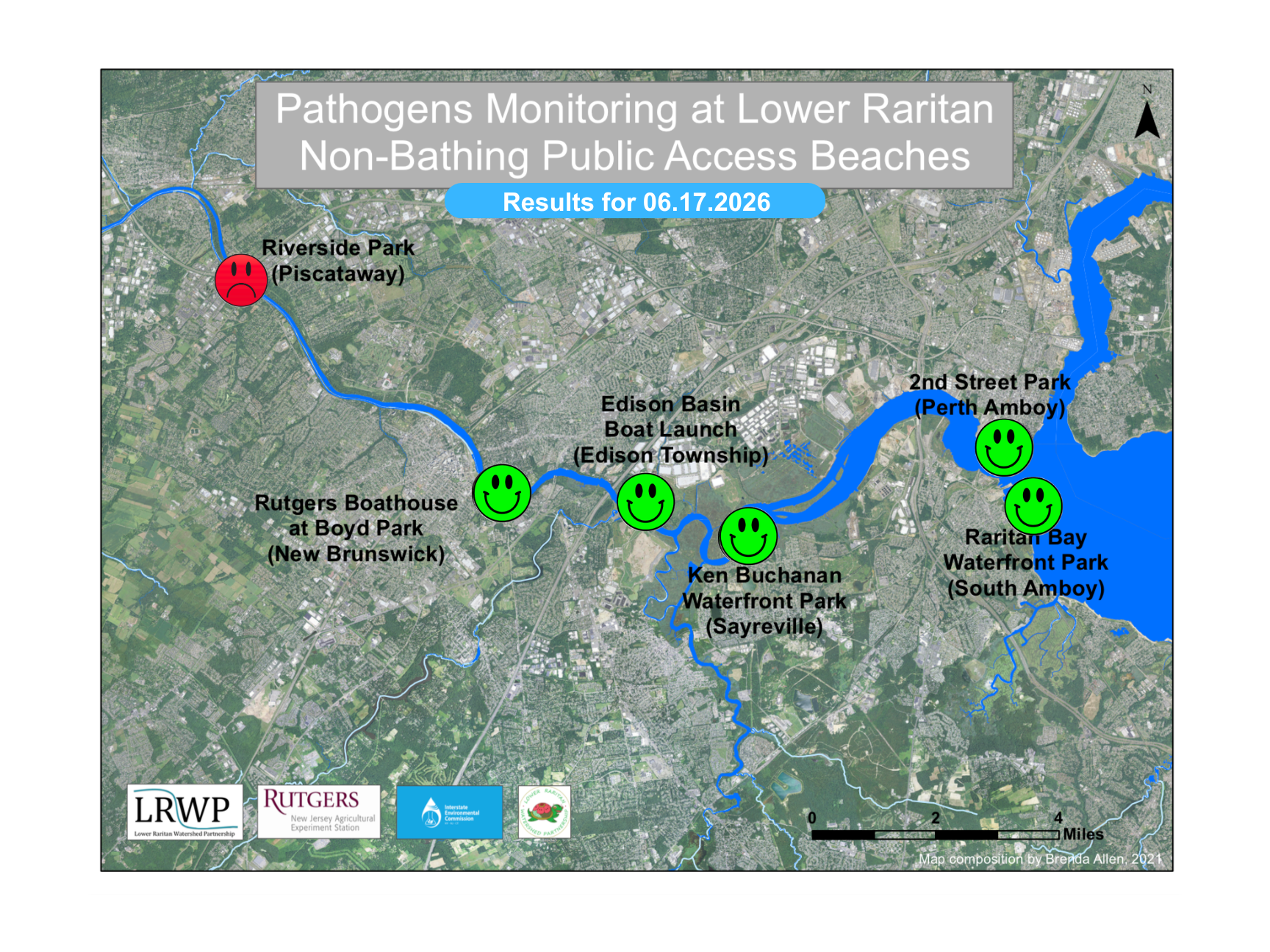
Pathogens/Enterococci levels are used as indicators of the possible presence of disease-causing bacteria in recreational waters. Such pathogens may pose health risks to people coming in primary contact with the water (touching) through recreational activities like fishing, kayaking or swimming in a water body. Possible sources of bacteria include Combined Sewer Overflows (CSOs), improperly functioning wastewater treatment plants, stormwater runoff, leaking septic systems, animal carcasses, pet waste, wildlife waste, and runoff from manure storage areas.
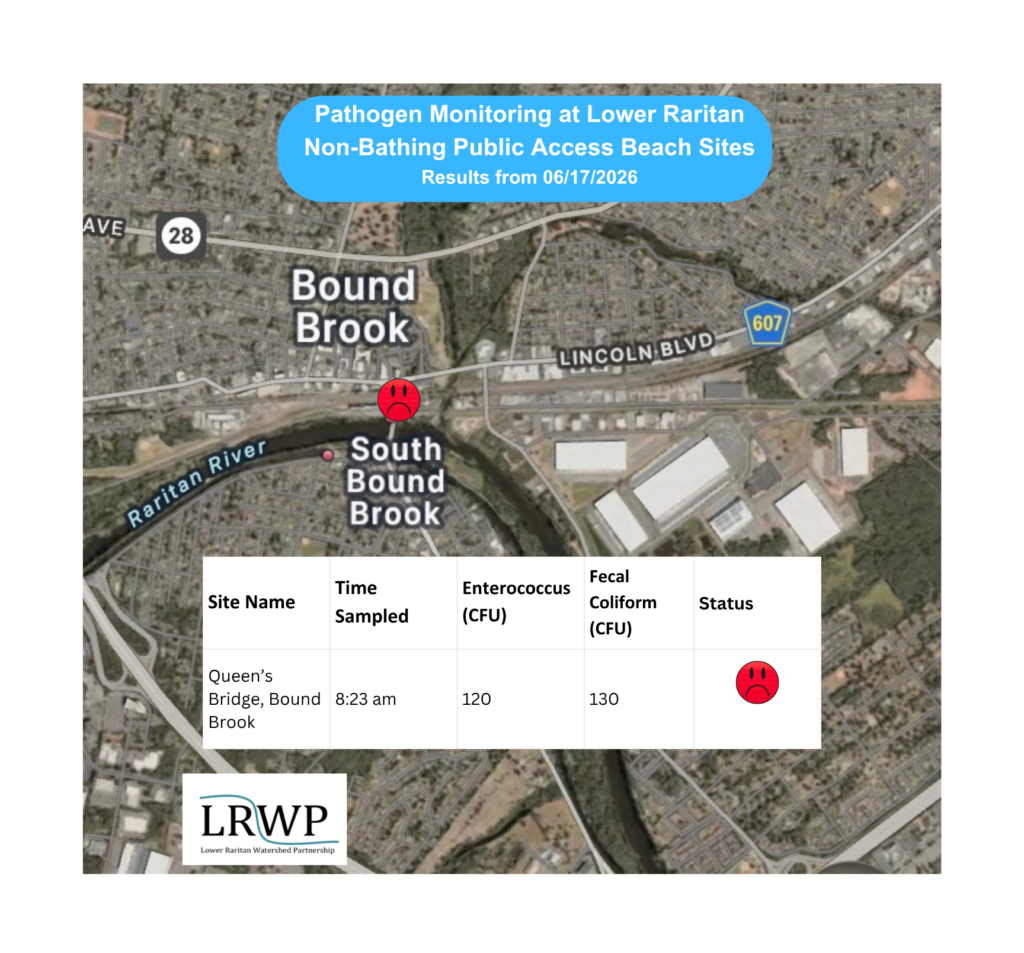
In order to better understand why Riverside Park, Piscataway has been our worst performing site over the past six years, we have started sampling further upstream. On June 17th, we sampled The Queens Bridge Recreational Access/Kayak Launch site a second time since we started pathogens monitoring this season. The lab analysis produced 120 enterococci cfu per 100mL exceeding the EPA federal water quality standard of 104 cfu/100mL. It also failed the test during our first week of monitoring; it was an especially rainy week, and our sample scored a most-probable-number of 2909 entero per 100 mL! Gross! Yet that same rainy week Riverside Park registered a score of more than 6,000 colony forming units per 100 mL.
Perhaps in dry weather we might suggest that upstream flow accounts for most of the bacteria numbers in Riverside Park, but that in wet weather there are many other sources of pollutants. These are interesting if preliminary results.
Our goal in reporting these results is to give residents a better understanding of the potential health risks related to primary contact during water-based recreation. If you are planning on recreating on the Raritan this weekend, make sure to stay safe and wash up after any activities!
This morning’s weather was just perfect for all the exciting adventures we were going to embark on. It was a clear and sunny morning with temperatures in the 70’s.
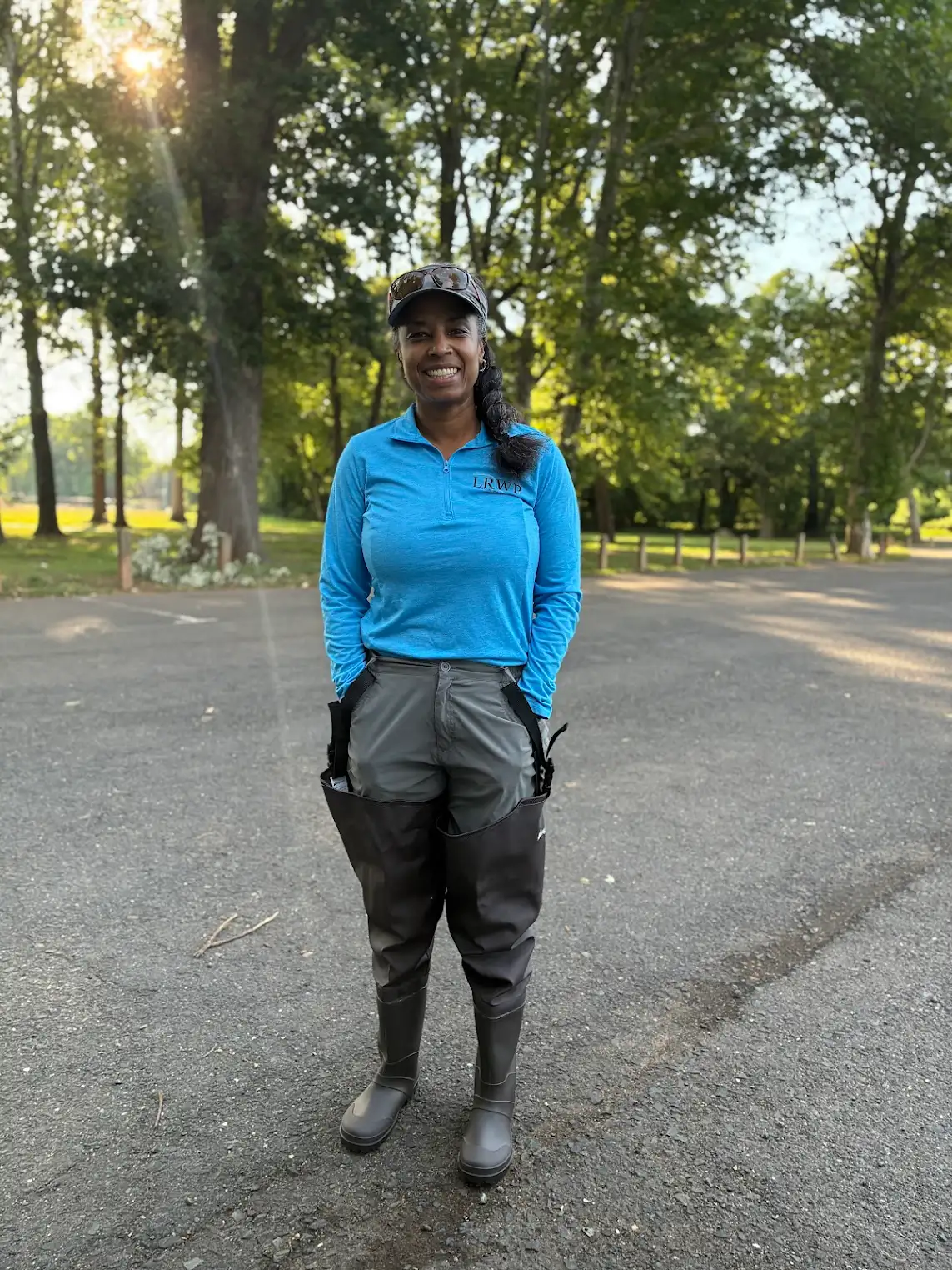
Ready to kick off June 17th’s pathogens monitoring session, Lydia came prepared and excited in her hip waders! Photo by Endurance Laryea.
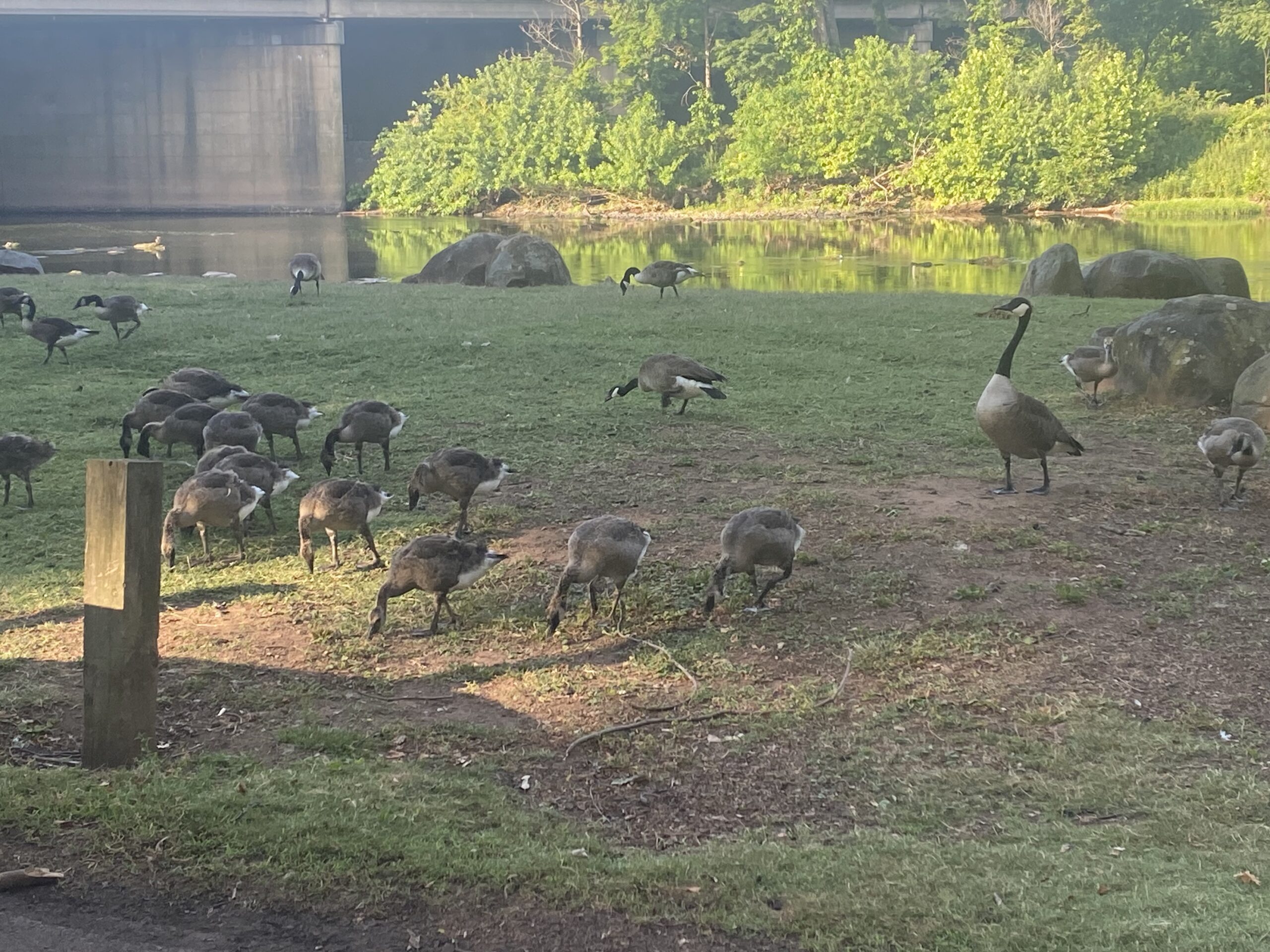
Our friends at Riverside Park were seen going about their day peacefully. Can you guess why? No Geese chasers to rattle their morning! I am not sure if the Geese Chasers ever came today but for the entire duration of our pathogens monitoring at this site, we did not see the geese and goslings fleeing into the river at the sight of a Geese Chaser car. We were surprised to see how big the goslings have become since we last saw them. Almost the same size as their parents-incredible! Photo by Mike Orsini.
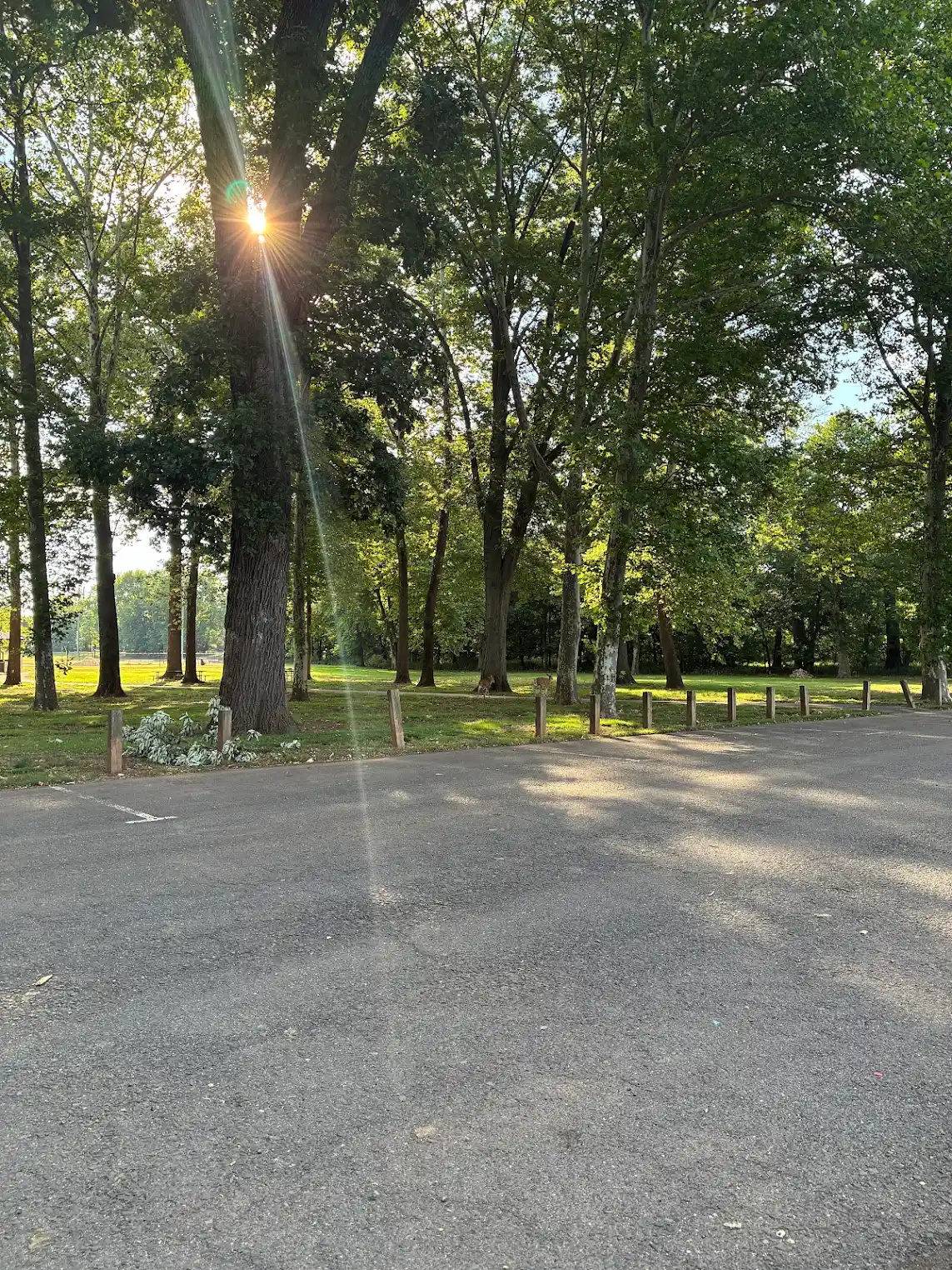
Four deer spotted dashing across the park at Riverside Park. Photo by Endurance Laryea.
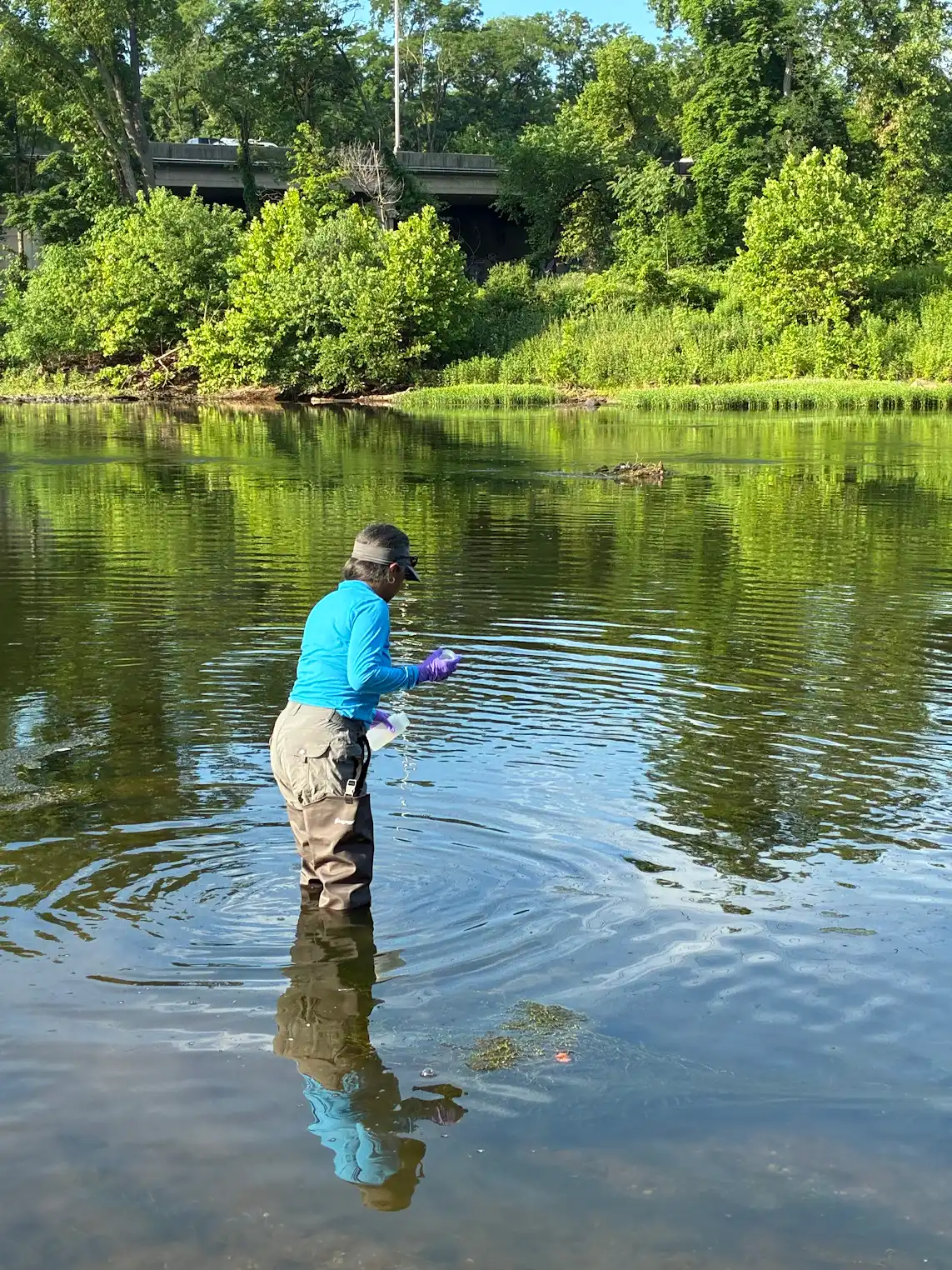
Lydia taking a sample at Riverside Park. Photo by Endurance Laryea.
Our second site today was The Queens Bridge Recreational Access/Kayak Launch site. It is one of our four new sites this season and today was the second visit. So much was going in this one site that we would have spent the whole morning exploring it if care was not taken! John and Mike talked about the trees; Lydia, some other plants like lady’s thumb and poison ivy; and Art about the birds. Their enthusiasm for what they knew was so contagious that it made me excited even if I did not know what they were talking about.
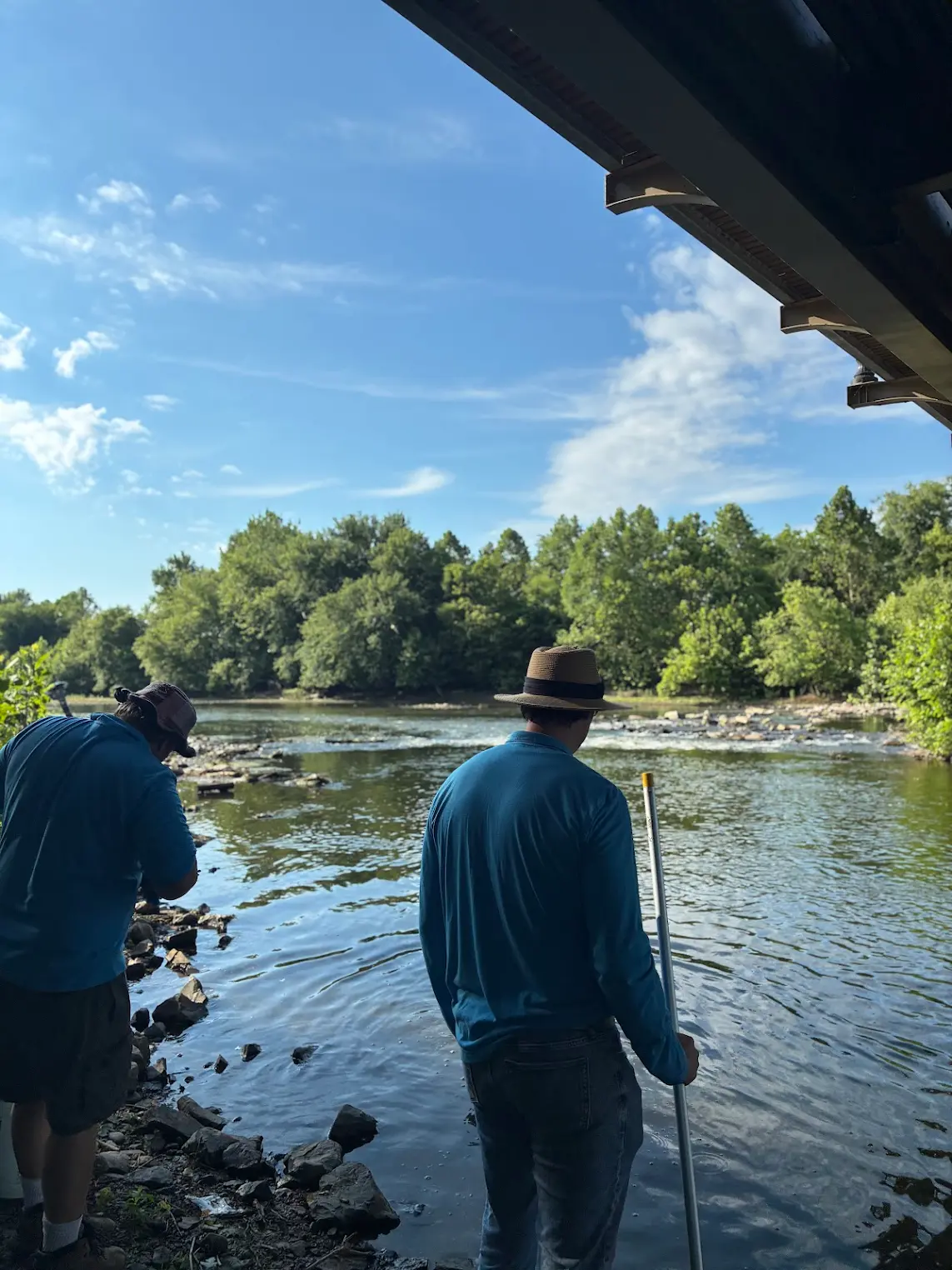
Mike and John sampling duties at Queens Bridge. Photo by Endurance Laryea.
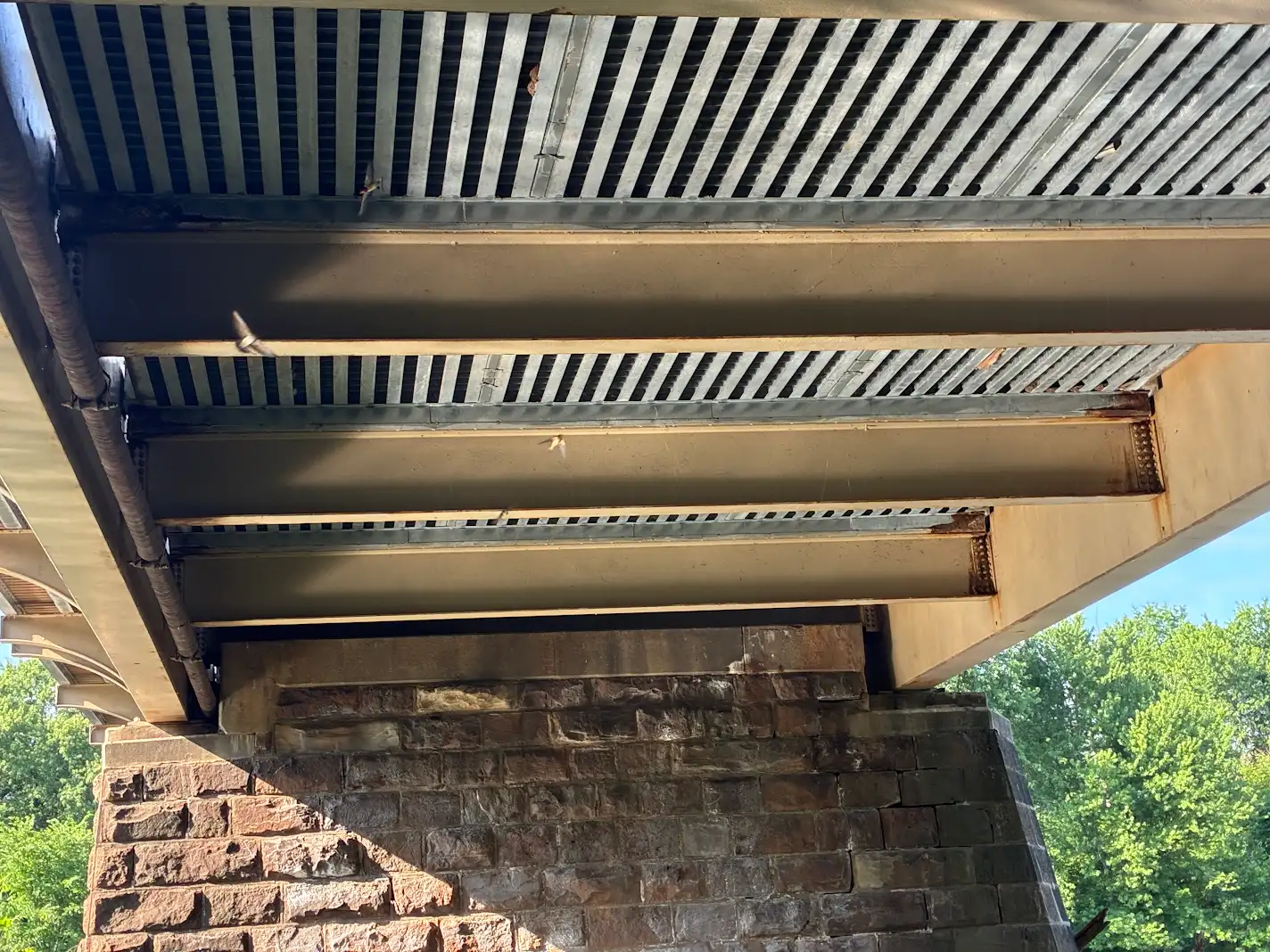
Barn swallows spotted under the bridge at Queens Bridge. Art explained that they got their names because of their habit of building nests in barns, sheds and similar man-made structures. John noted that they were not present the last time they visited this site in the first week of pathogens monitoring. Photo by Endurance Laryea.
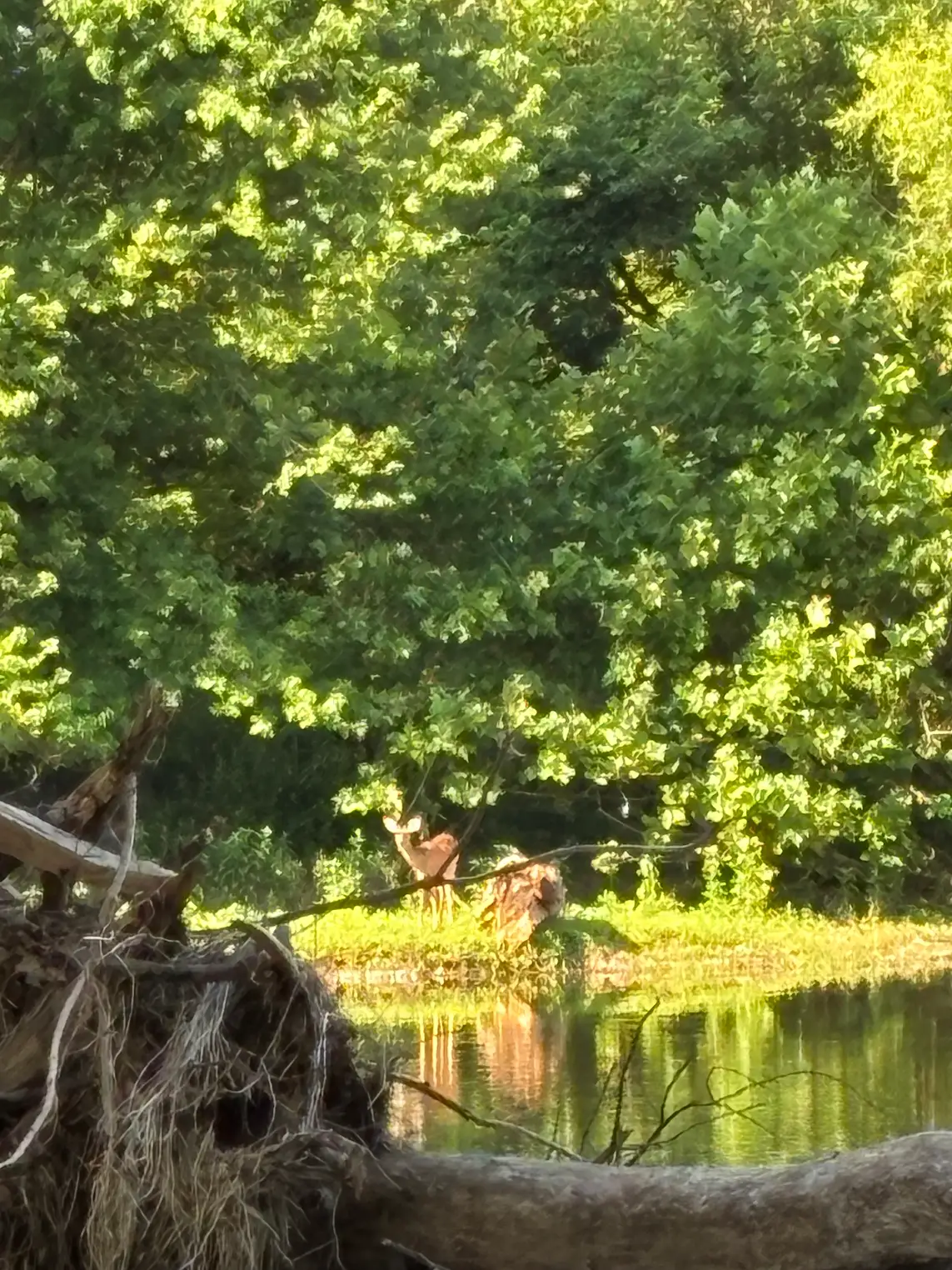
A deer sighted across the river from us. Photo by Endurance Laryea.
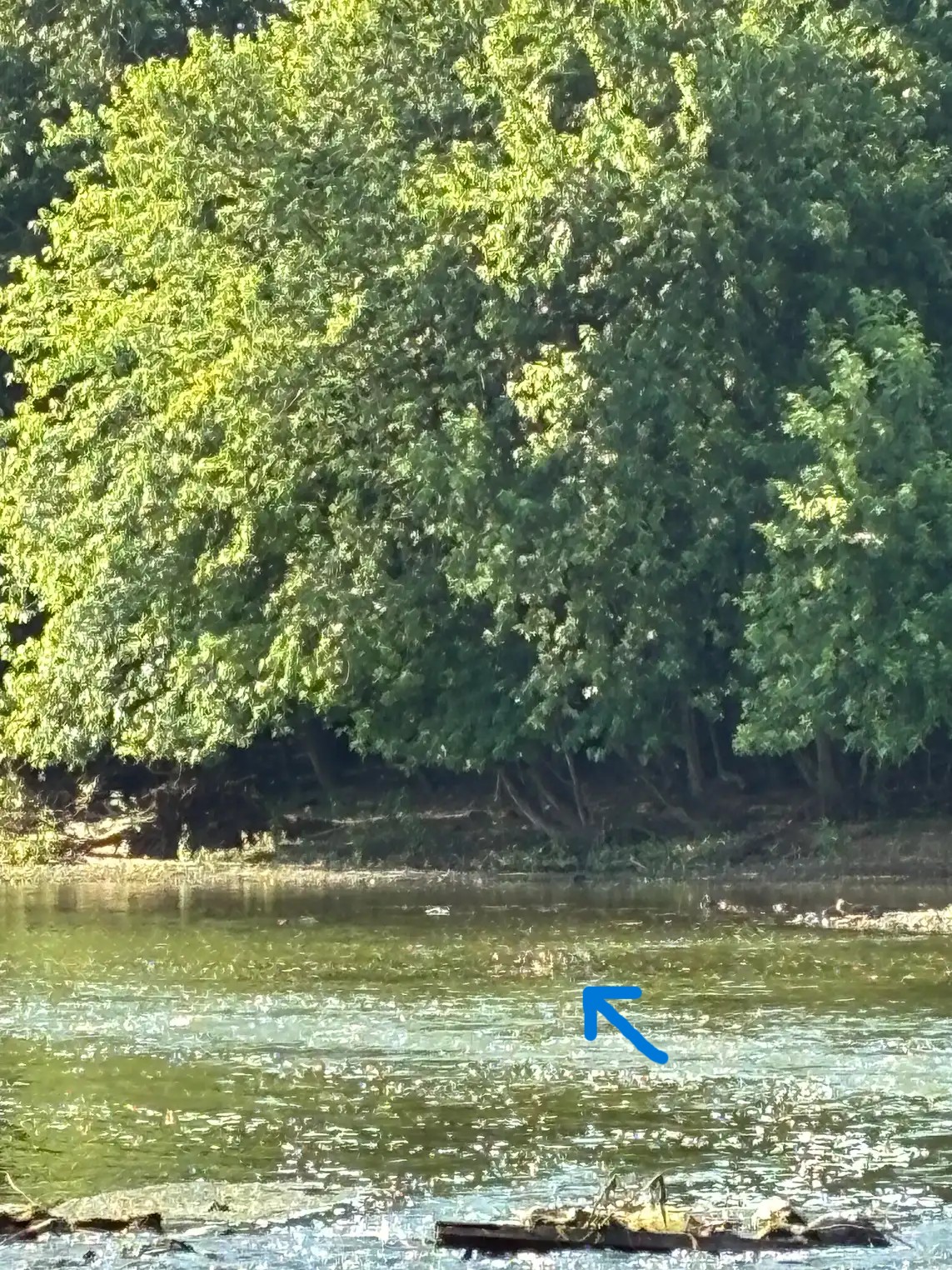
We also saw a flotilla of goslings paddling across the river without a parent goose. Photo by Endurance Laryea
At Rutgers Boathouse today, we noticed high tide. And for the second time, we saw the minnows. It seems to me that they are observed when there is high tide because we did not see them last week when there was low tide.
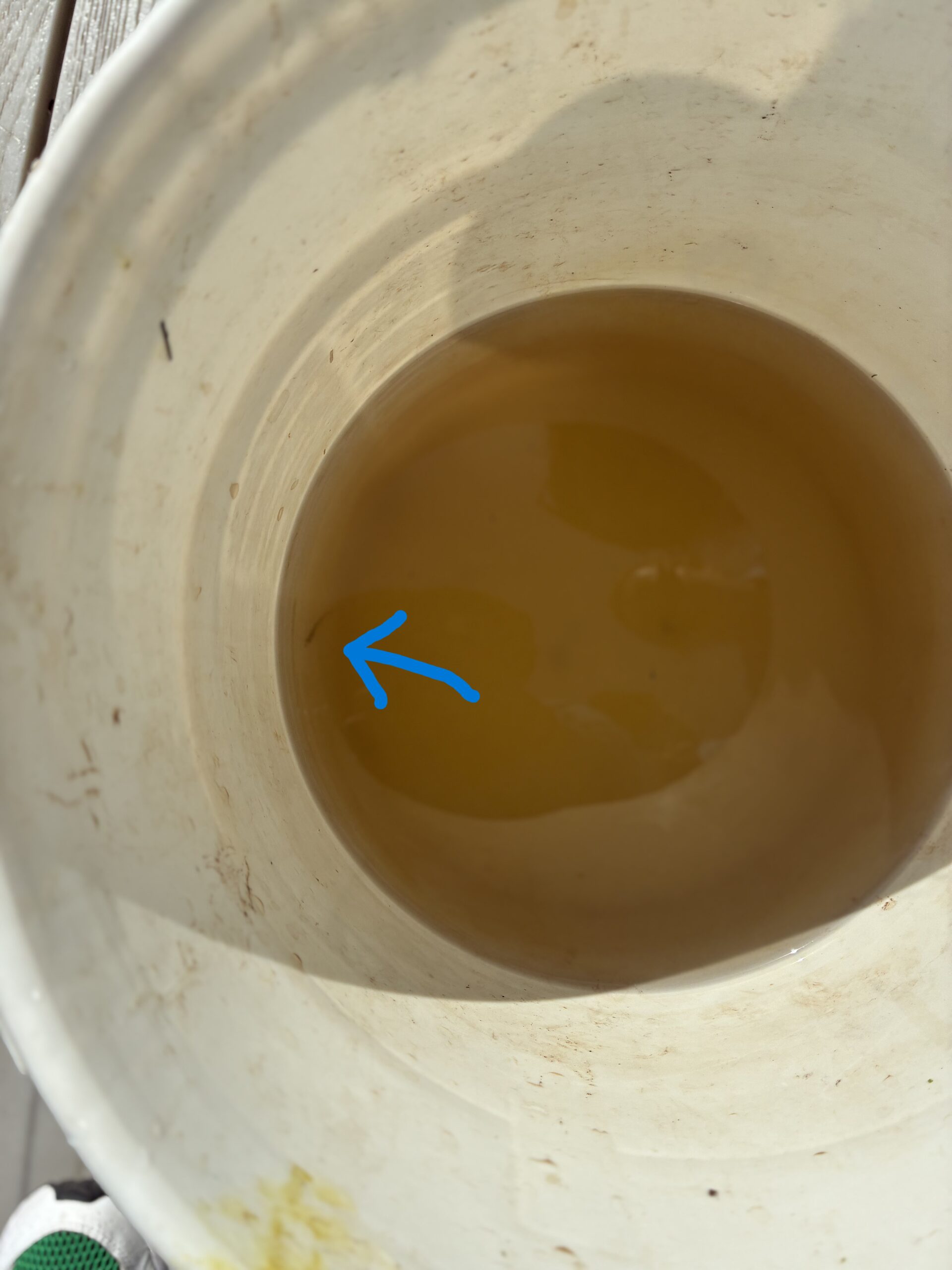
In our grand effort to capture them in a bucket so that we get a better view of them, we only caught one-barely noticeable- out of the thousands we saw. They are incredibly sensitive to disturbances. Photo by Endurance Laryea.
There are a few honey locust stumps that have started to grow little sprouts at the New Brunswick site. John and Mike have chosen one to put a guard around and see how it fares for the week. The smaller branches were pruned, and the guard was put around the tallest branch to enable it grow as a ‘leader’ without significant competition from rival sprouts.
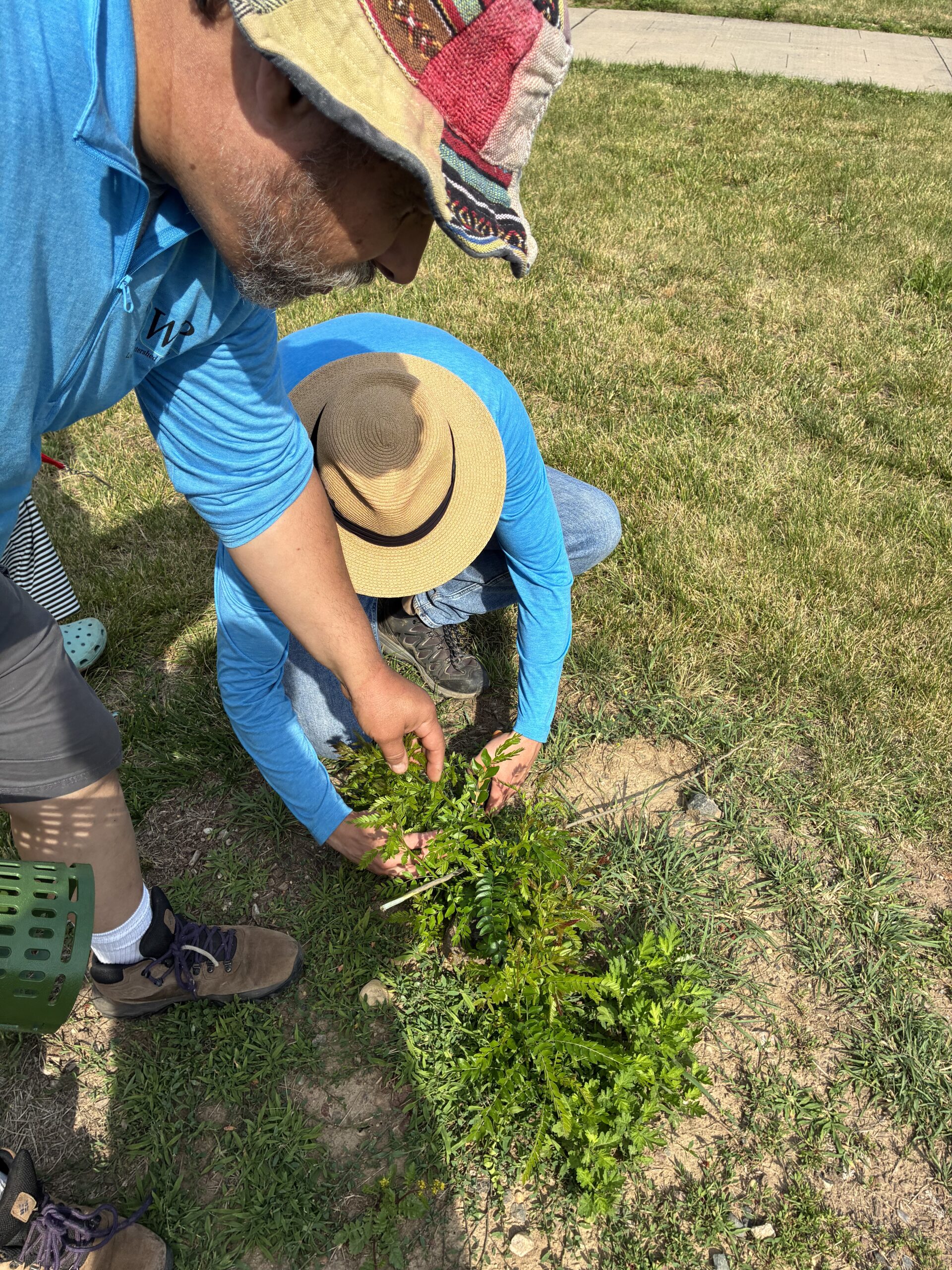
Mike and John pruning the little branches of the honey locust stump. Photo by Endurance Laryea.
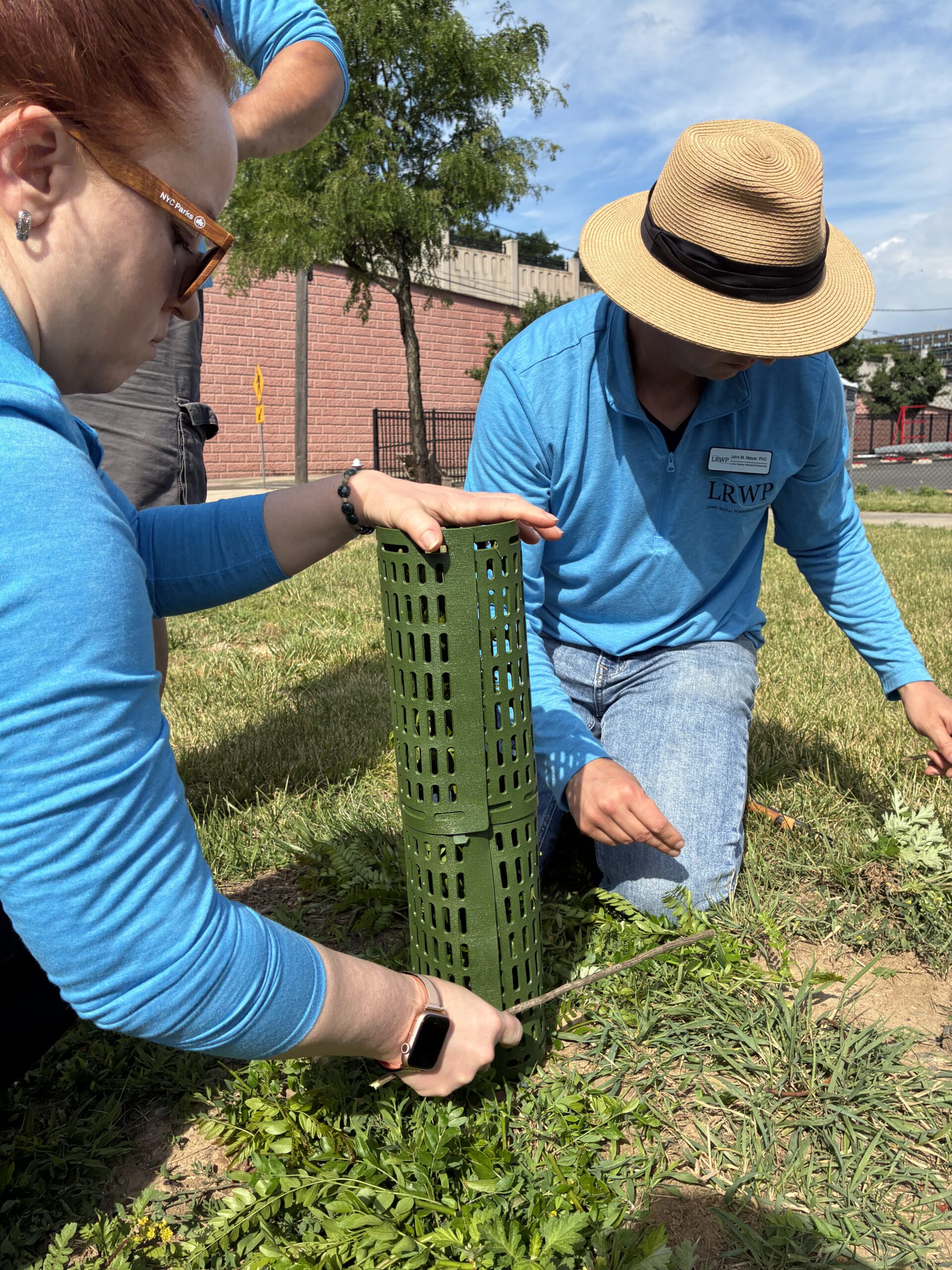
Olesya and John stabilizing the guard with twigs. Photo by Endurance Laryea.
Clean up at Edison Boat Launch today!
After John inquired about what they were doing, the public service workers explained that they were cleaning up the debris between the two docks on the river to allow easy access by boats and kayaks.
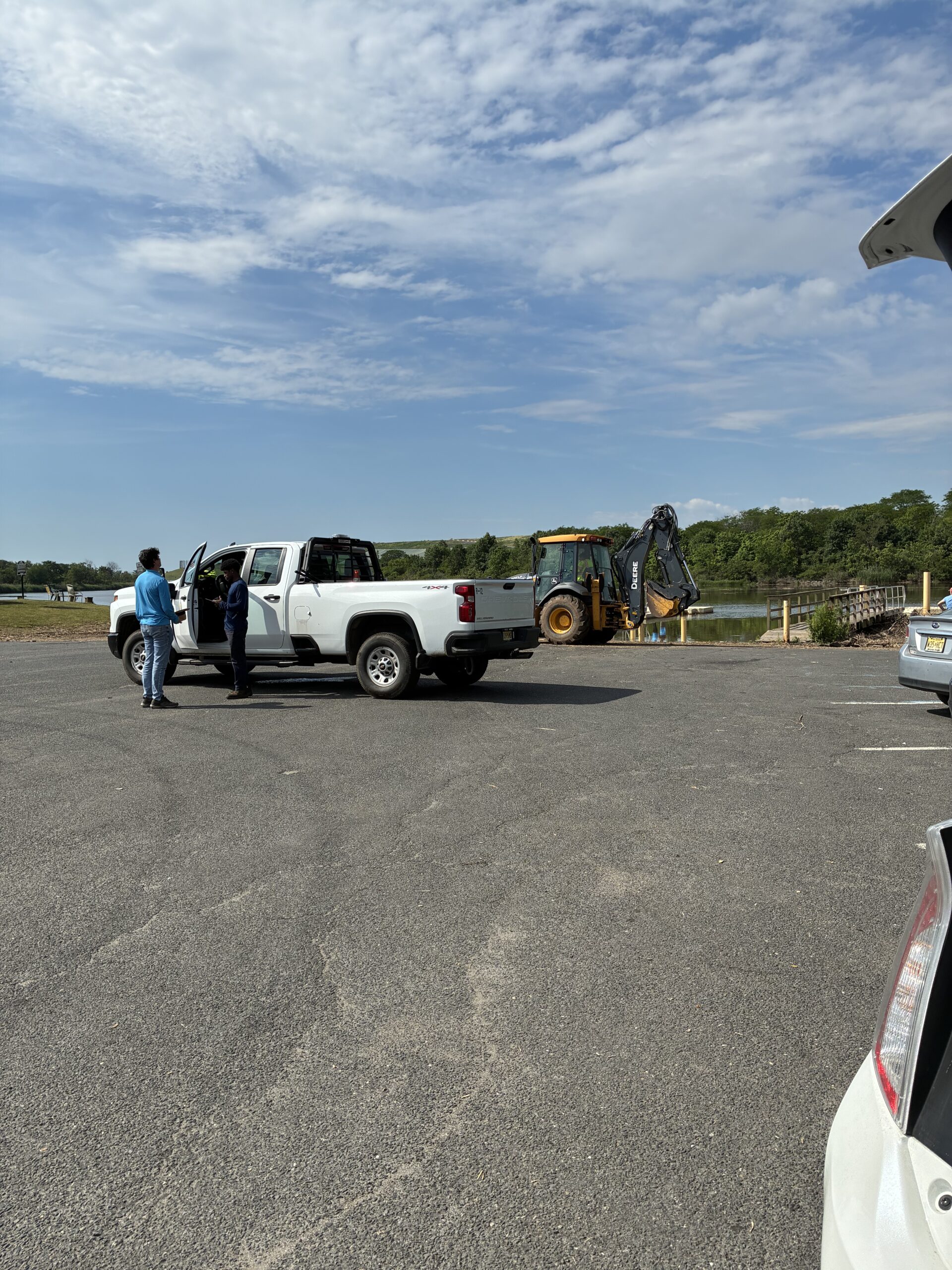
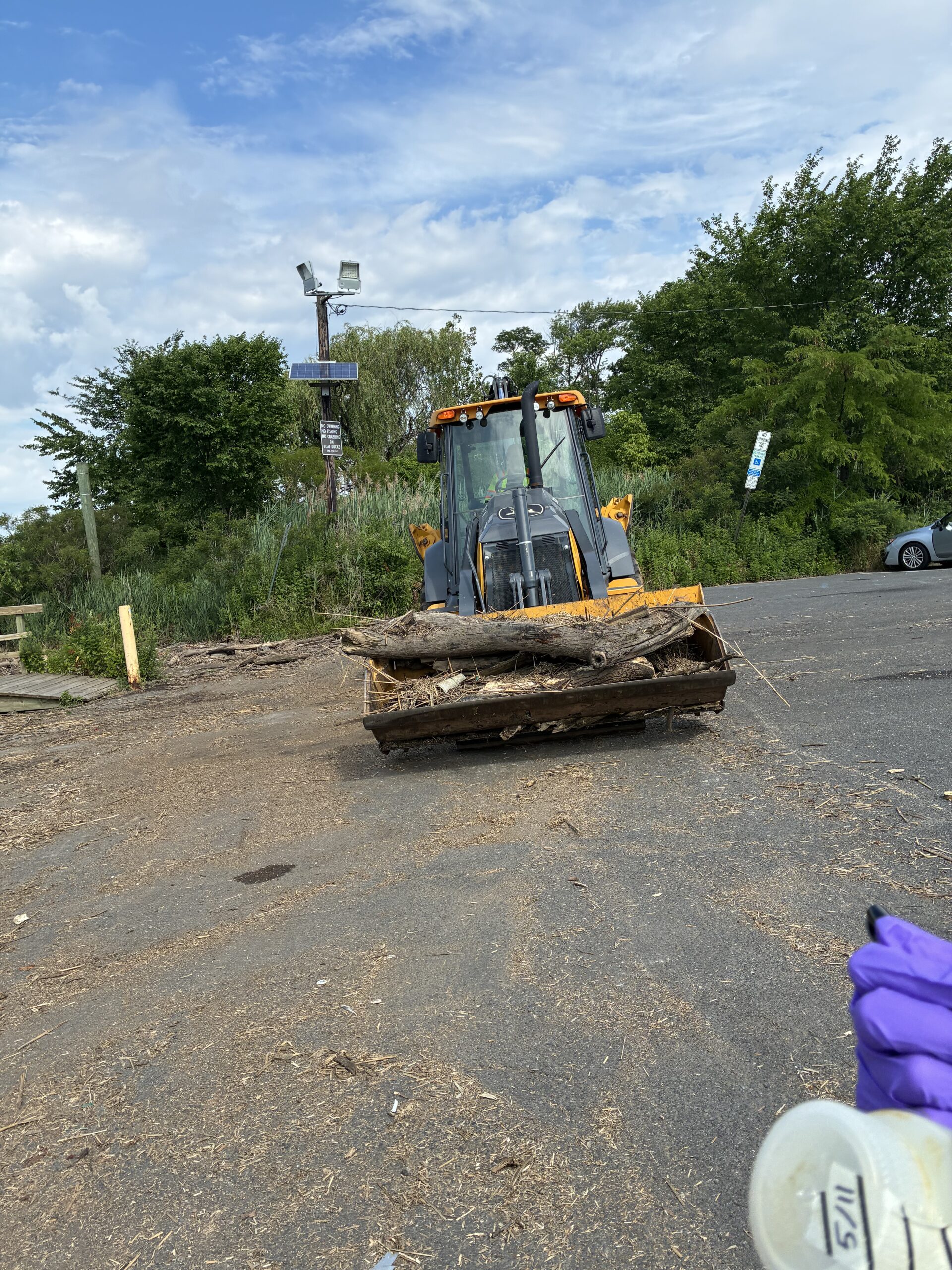
A backhoe loader used in the debris clean up. Photo by Endurance Laryea
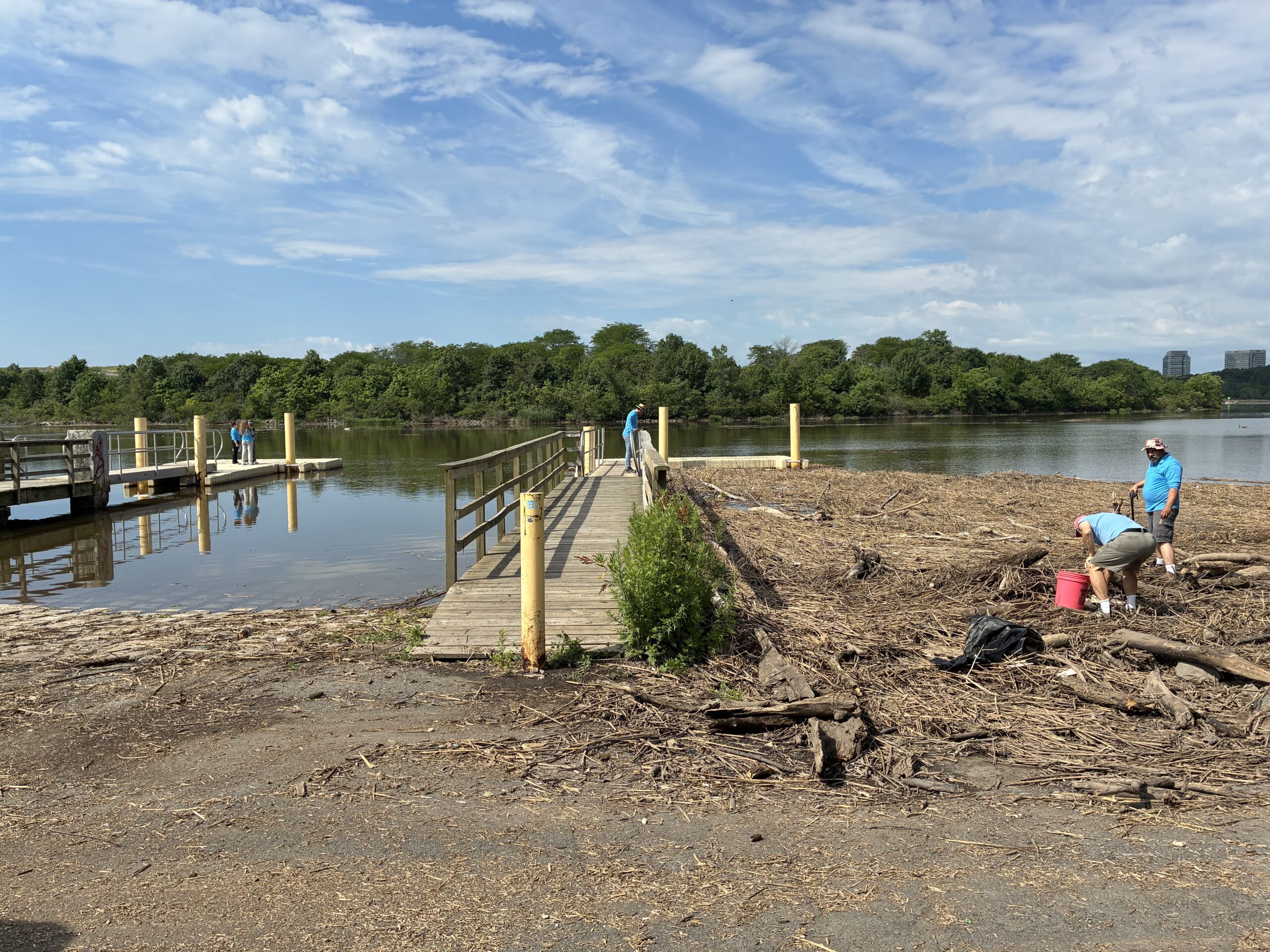
Every time we visit this site, we try our best to pick up trash caught up in the debris. It is so much that we only do what time allows. It would be lovely if everyone who visits picks up a few pieces of garbage-with proper protective wear, of course 🙂
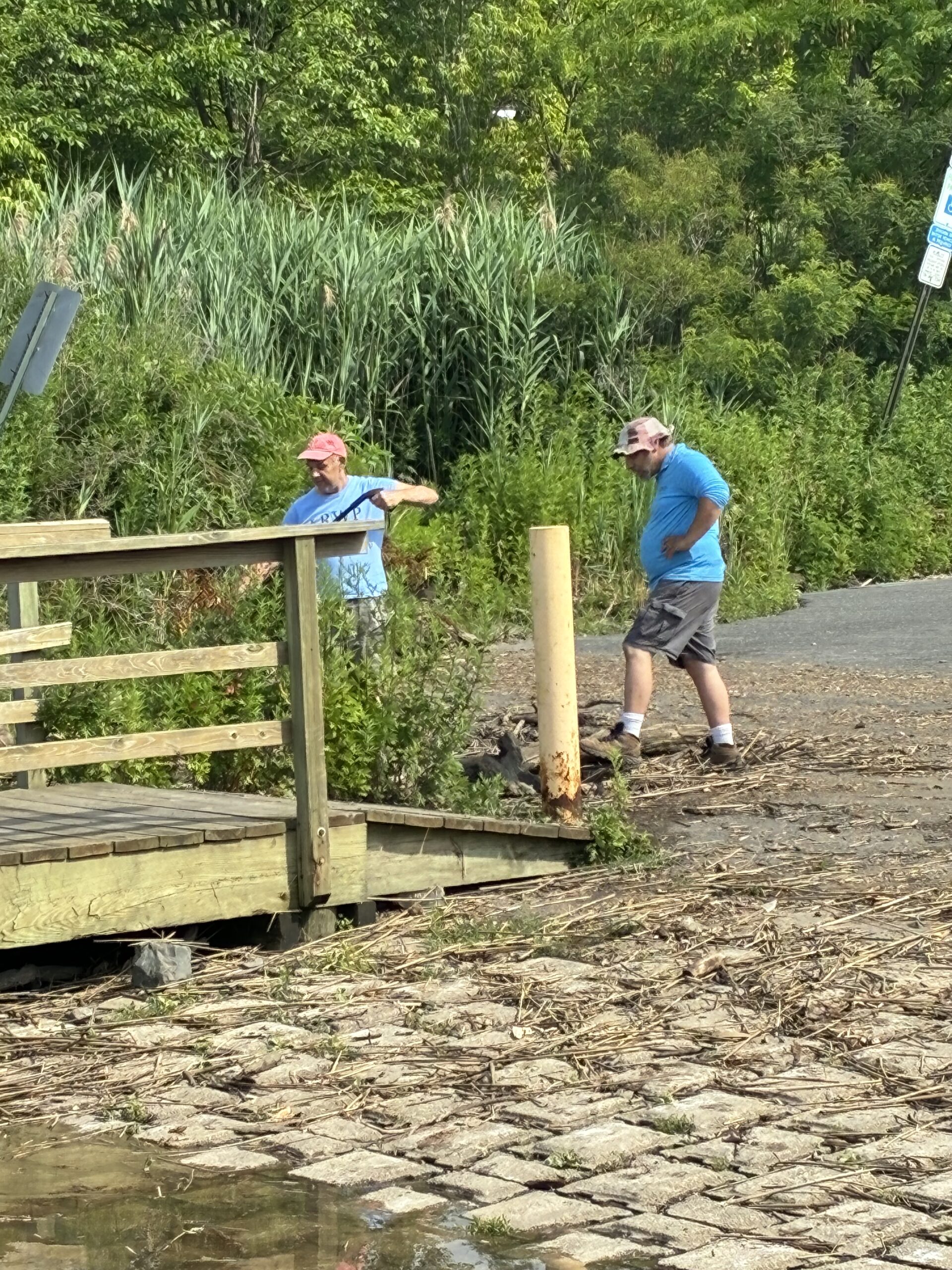
Art and Mike on trash duty. Photo by Endurance Laryea.
Not much activity other than our familiar friends were spotted at Sayreville — several seagulls, but only one osprey in the nest, instead of the mated pair we saw last week.
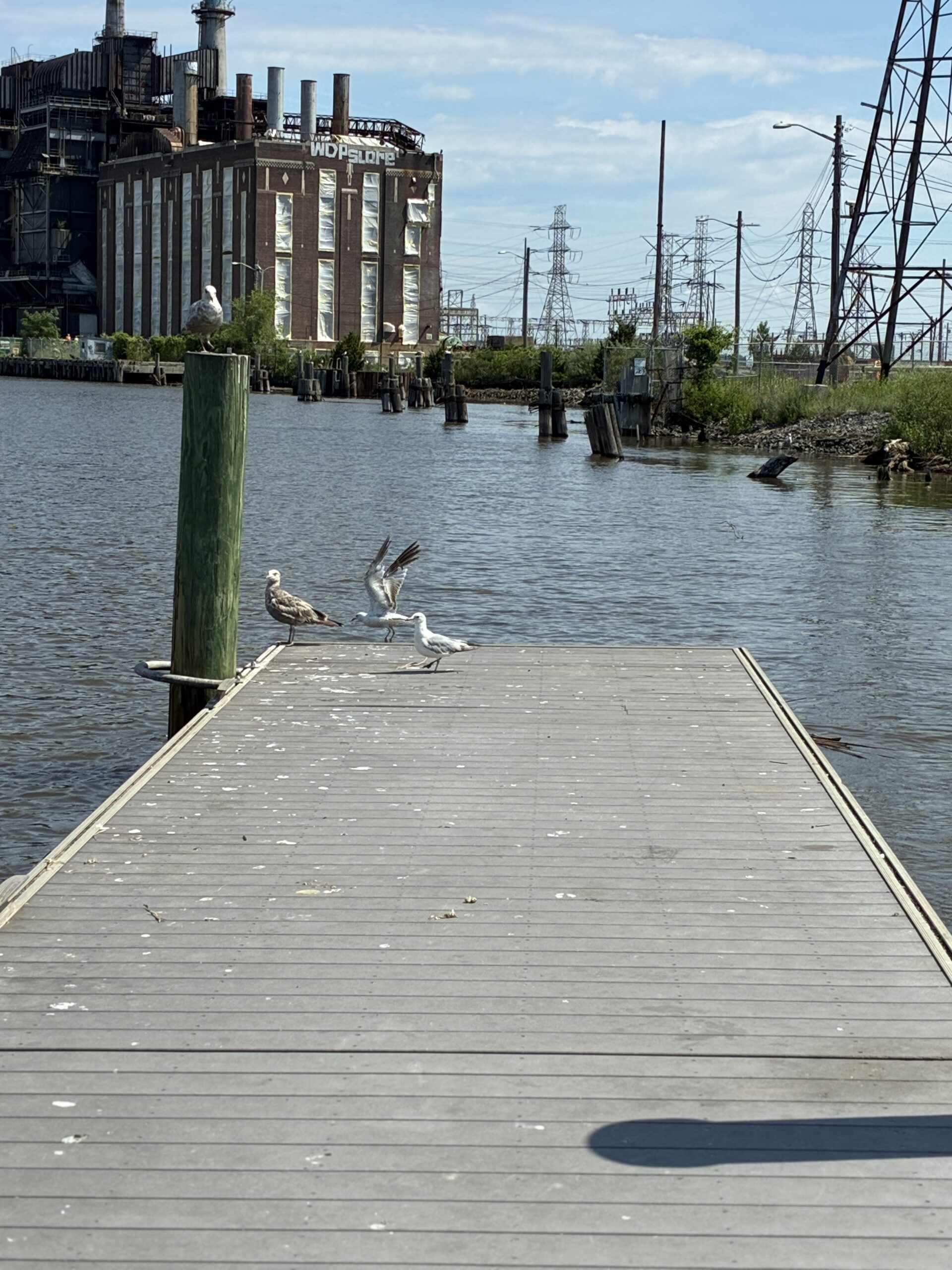
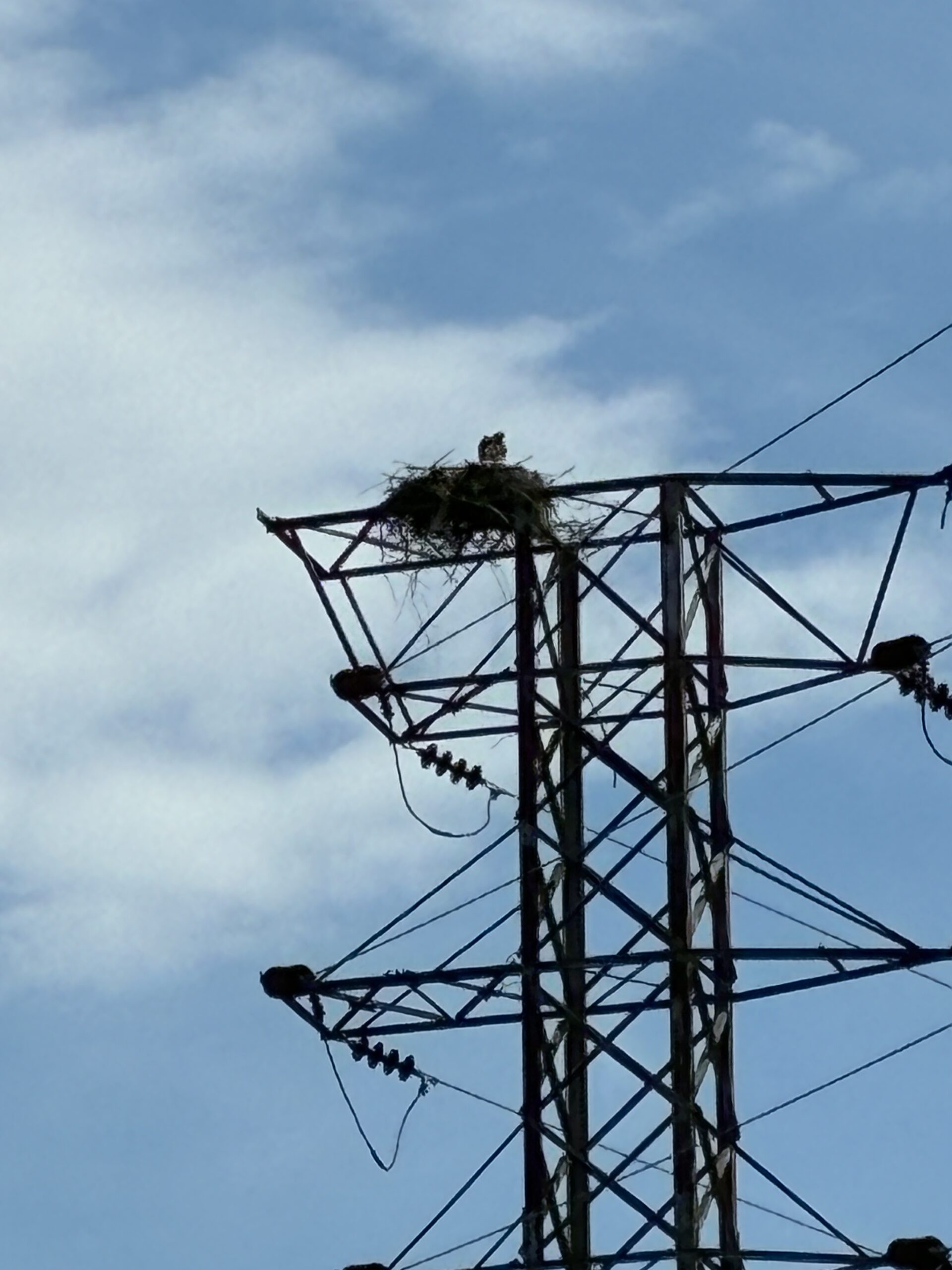
Photos by Endurance Laryea.
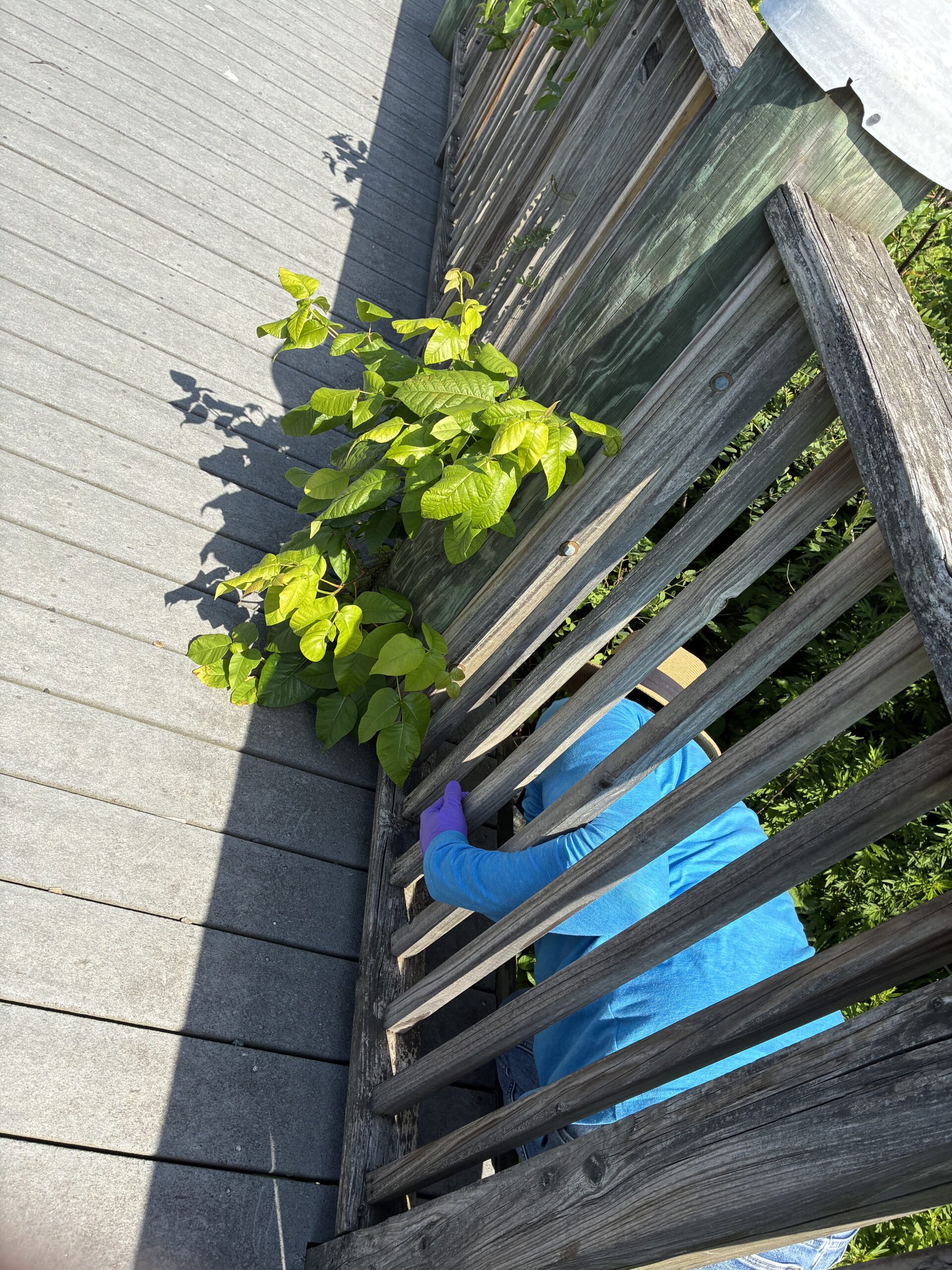
John cutting the roots of a Poison Ivy plant that has grown through the dock railings. With the number of Poison Ivy plants pointed out today, I am certain that I will be able to spot them in the future–hopefully. Photo by Endurance Laryea.
If you have been following our blog posts this summer, you may have read that it striped bass season. In our second week, we saw what seemed to be the gills of a striped bass on the shore of the Raritan Bay Waterfront Park in South Amboy. Today, we saw a dead striped bass on the shore with a decaying hole close to the second dorsal fin. It could have been washed to the shore a few minutes or hours before we got there because it did not give off a decaying odor and it looked pretty fresh.
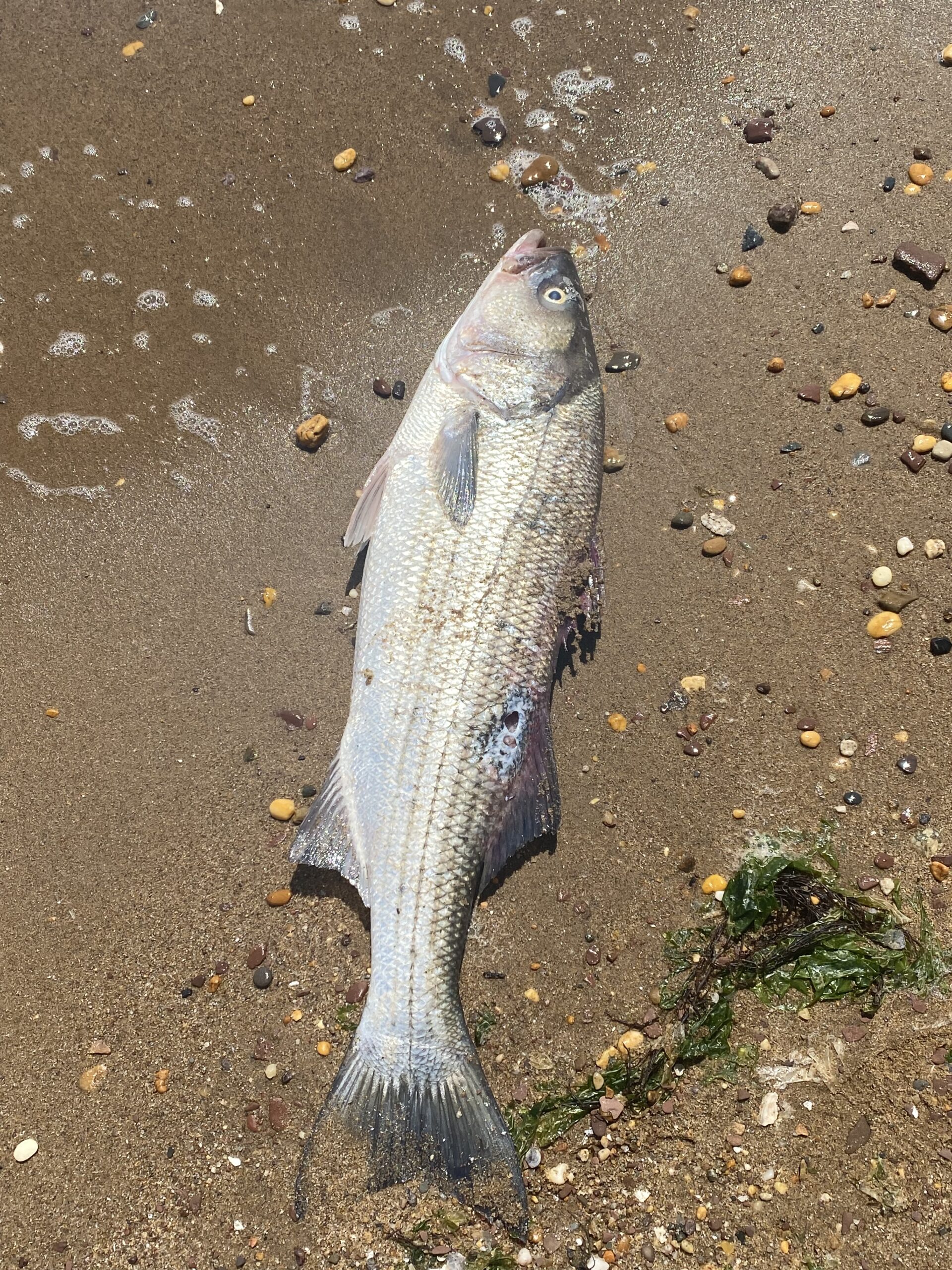
A dead striped bass at the shore on Raritan Bay Waterfront Park, South Amboy. Photo by Art Allgauera.
It is also horseshoe crab mating season. I felt something tap the boots of my waders in Perth Amboy while collecting the last sample of the day. I looked down to see a curious horseshoe crab coming towards my boots a second time. They are not dangerous so try not to panic the next time you encounter them 🙂
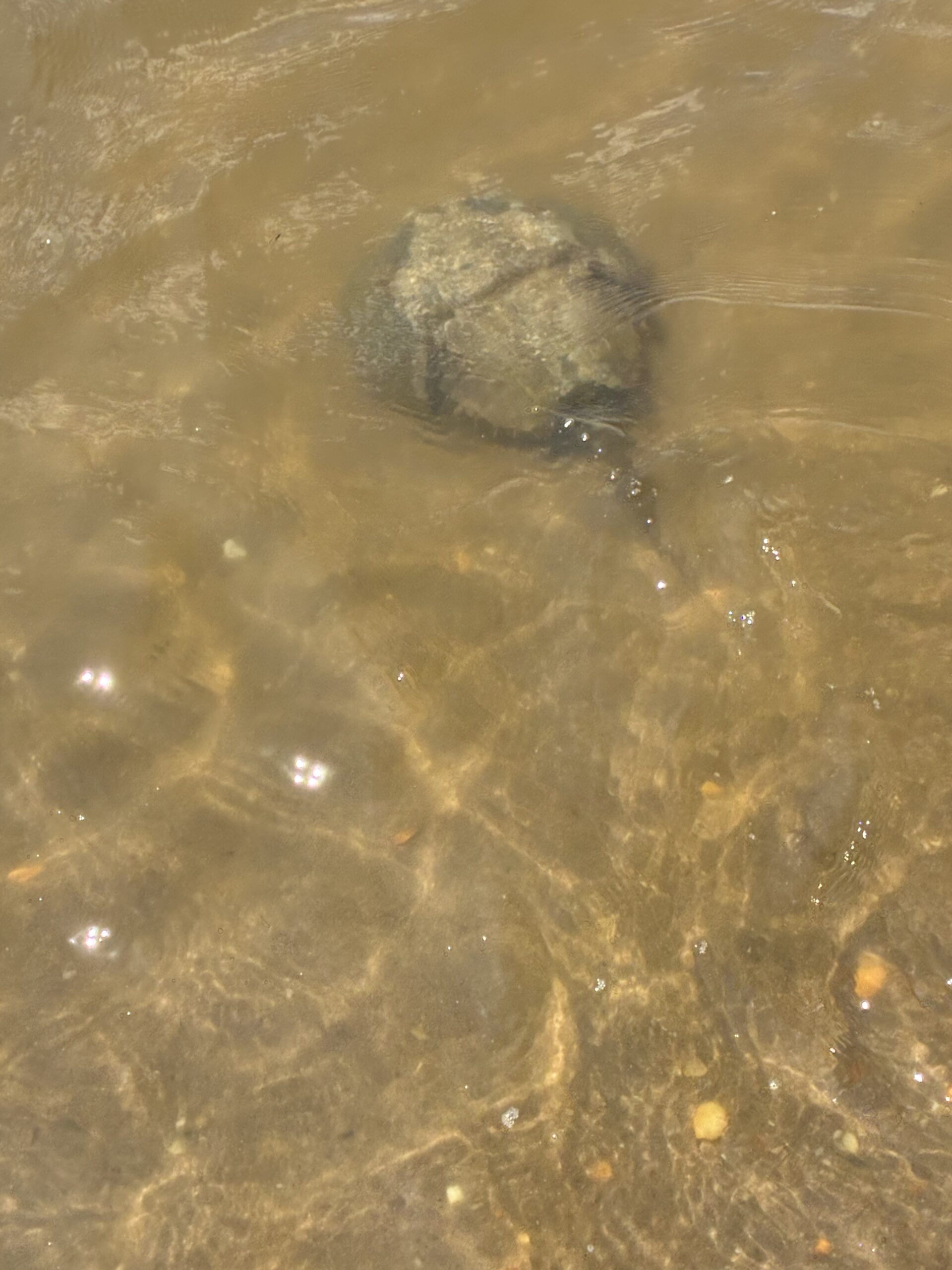
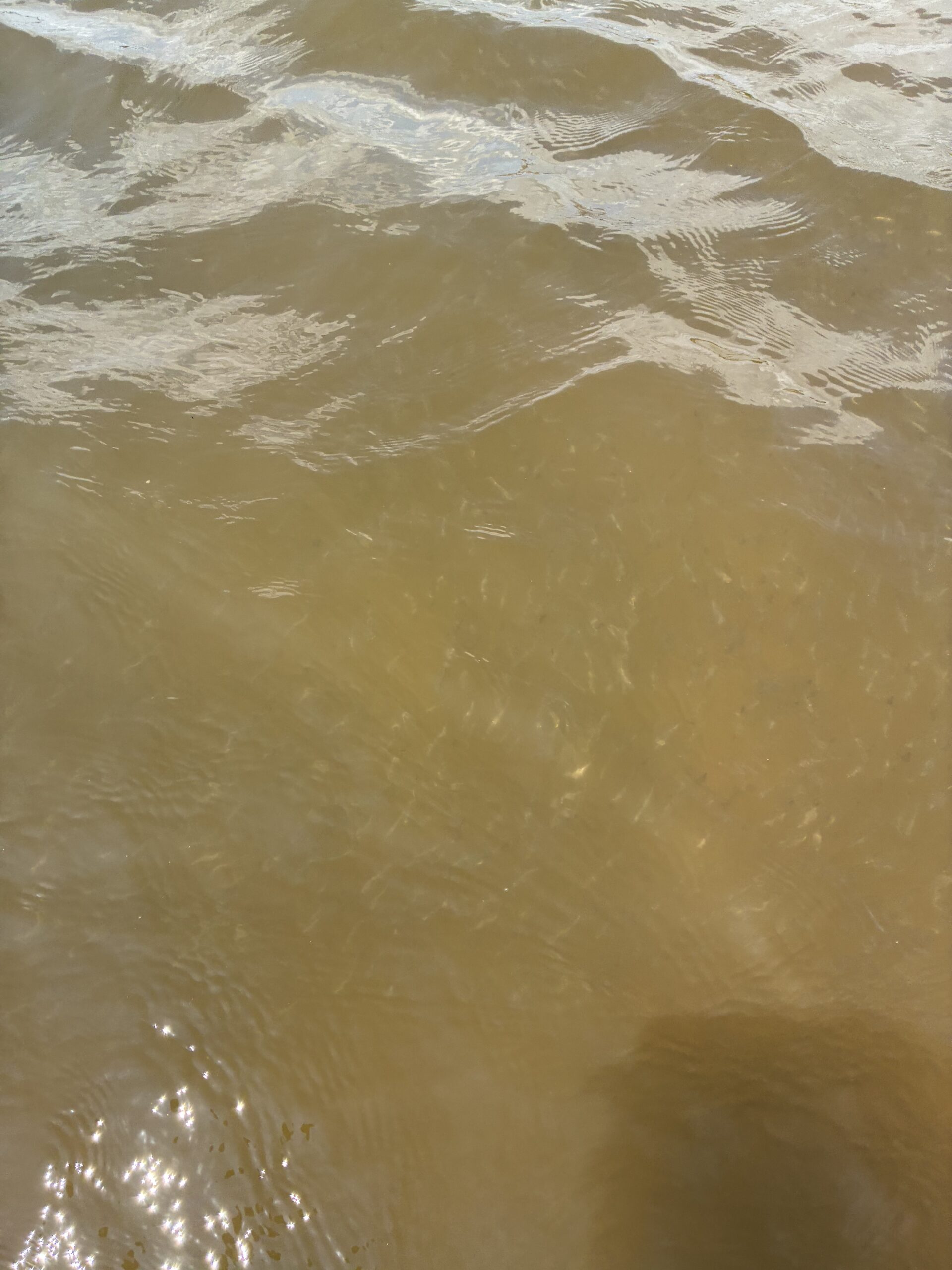
As I looked down to figure out what tapped my boots, I also noticed a cluster of minnows circling around me. Photos by Endurance Laryea.
