Raritan River Pathogen Monitoring Results for 5.21.2026
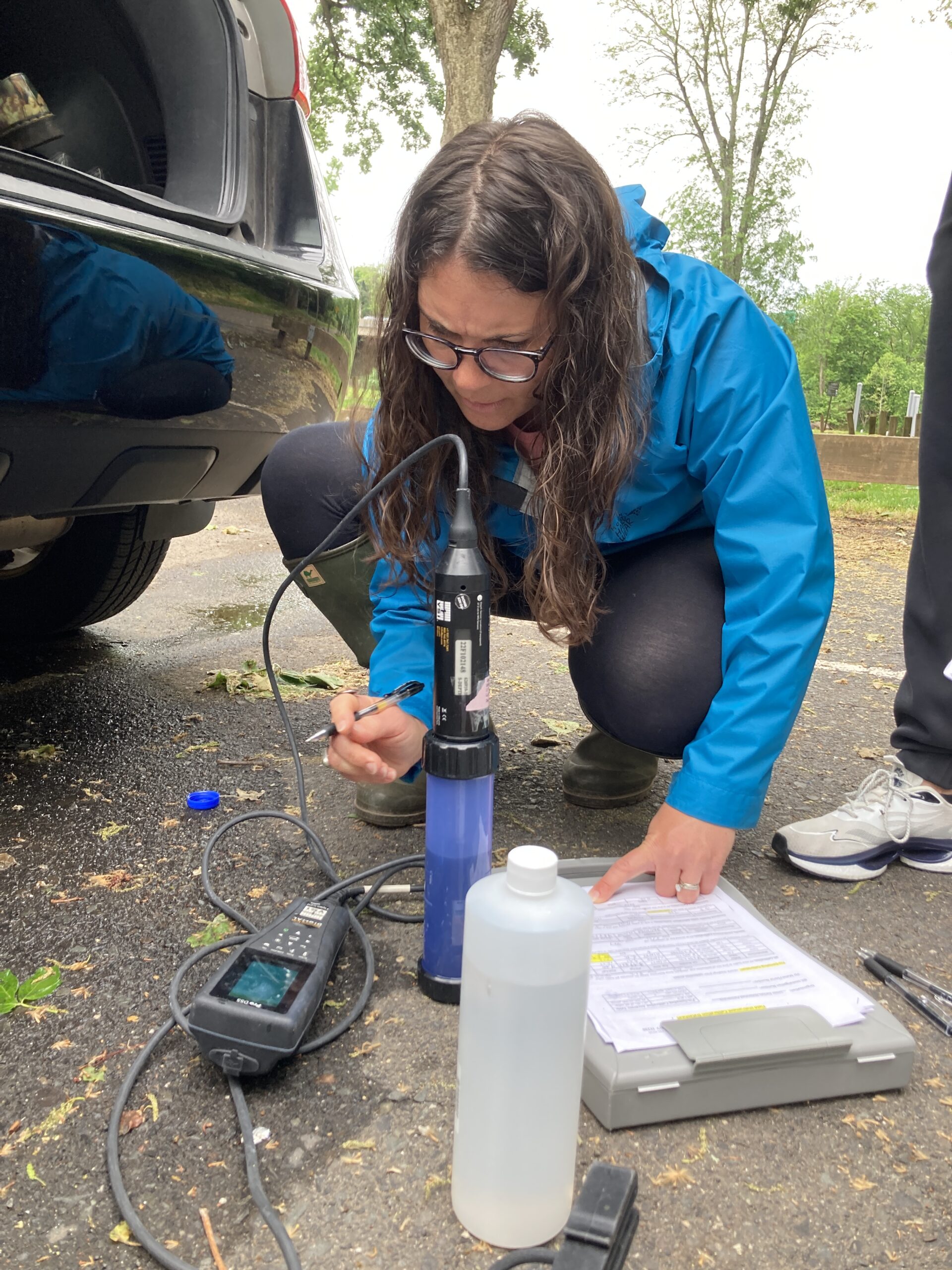
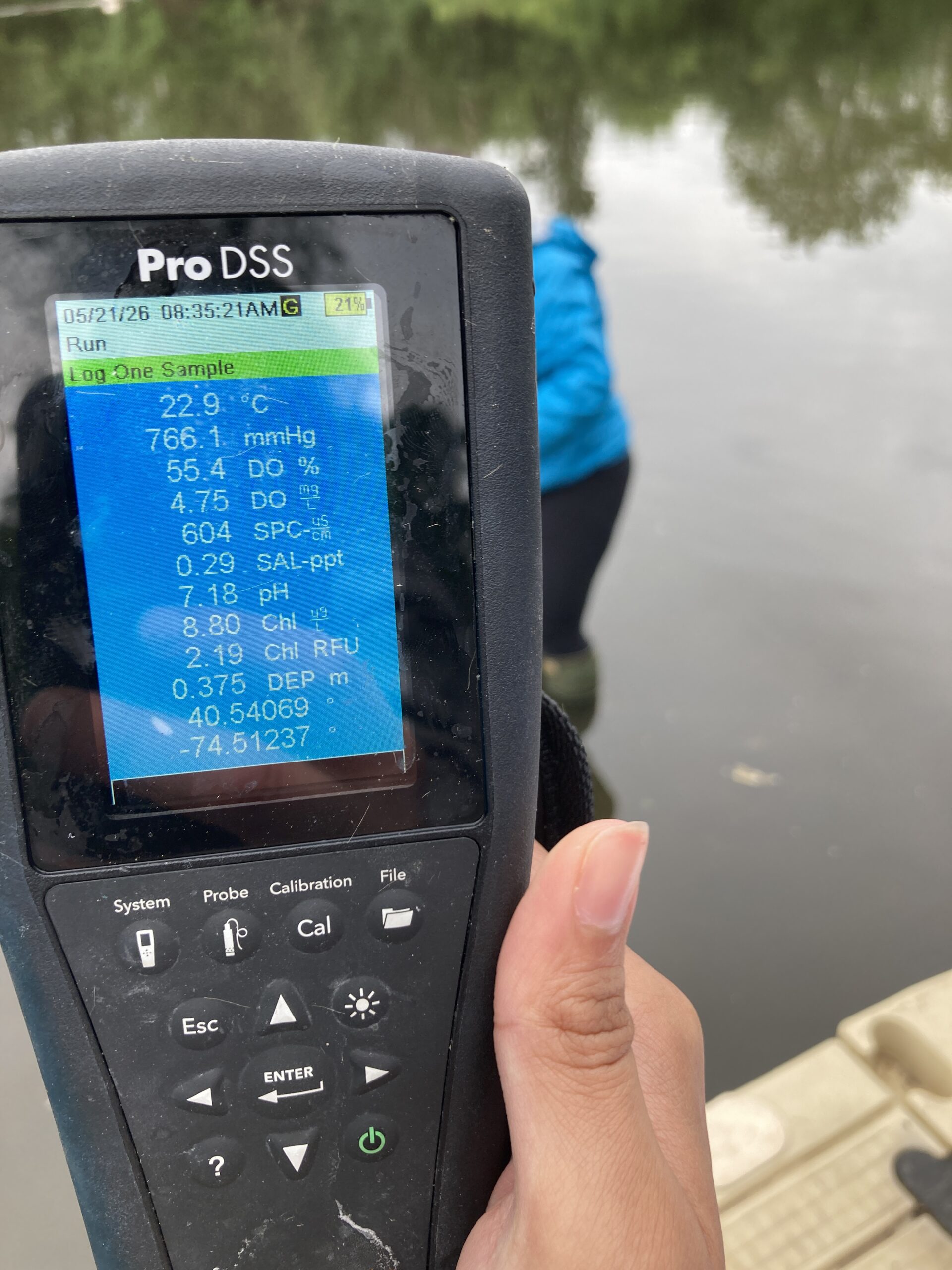
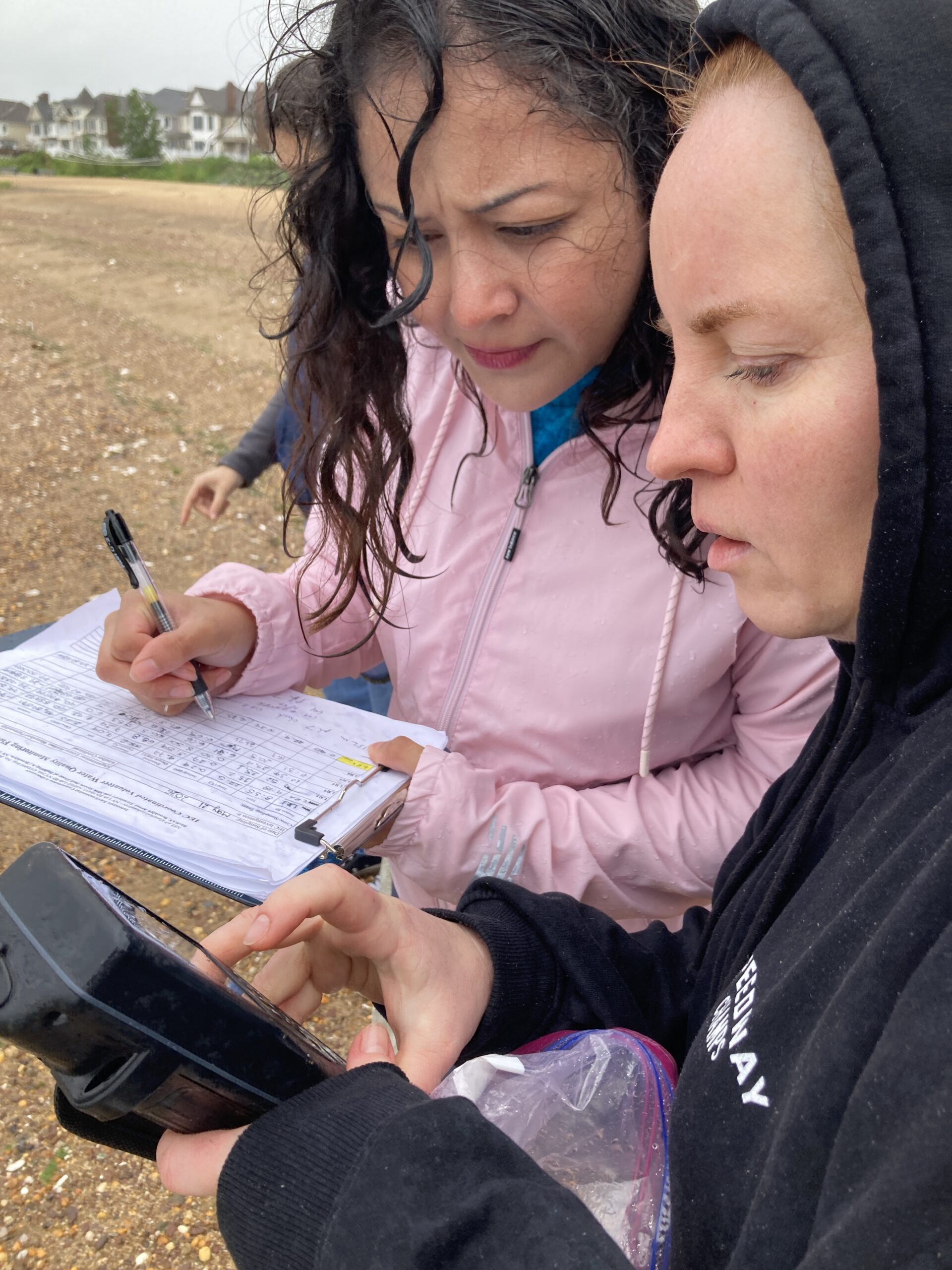
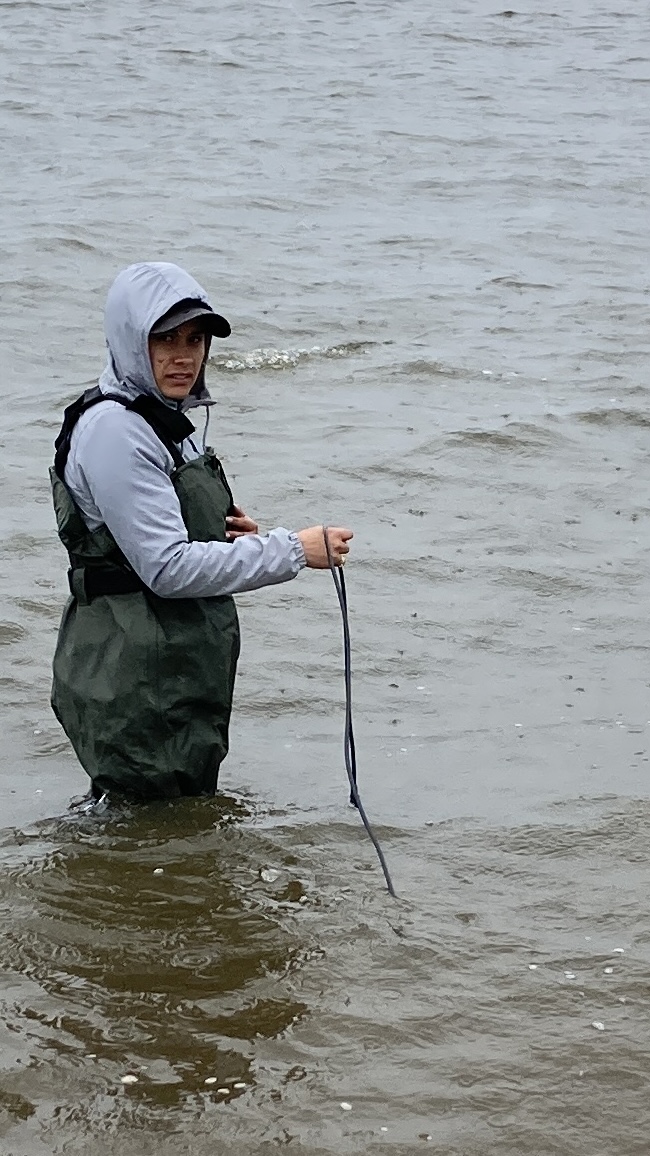
The first pathogen monitoring session of the season took place on Thursday, May 21st. Each week during the summer, from May to October, the Lower Raritan Watershed Partnership and Rutgers Cooperative Extension of Middlesex County run a volunteer-based monitoring program along the Raritan River. We collect water quality samples at six non-bathing public access beach sites, provide our samples to the Interstate Environmental Commission for analysis in their laboratory, and report the results to the public. Our mission is to share this data with the community and partners to ensure the safe use of the Raritan river for all.
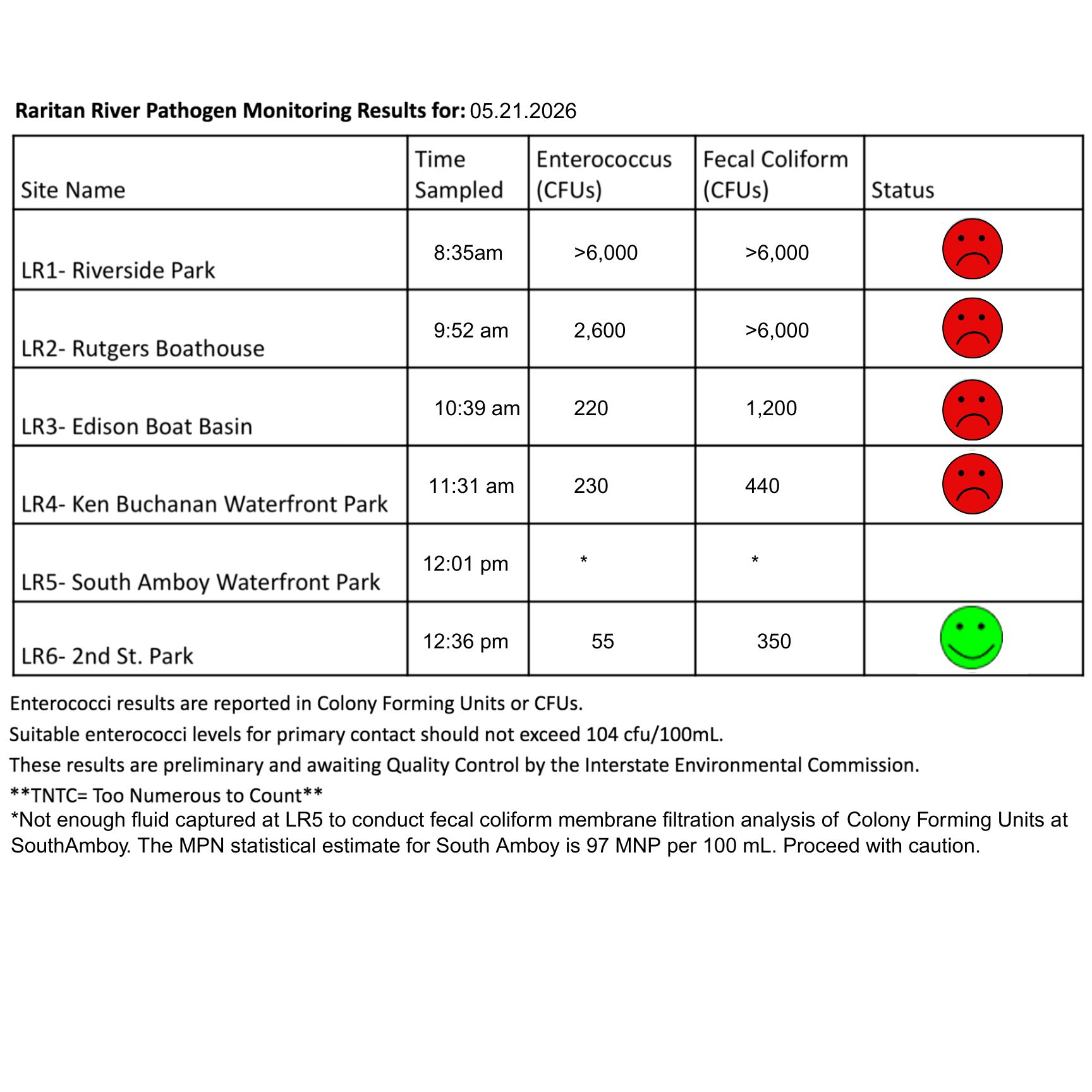
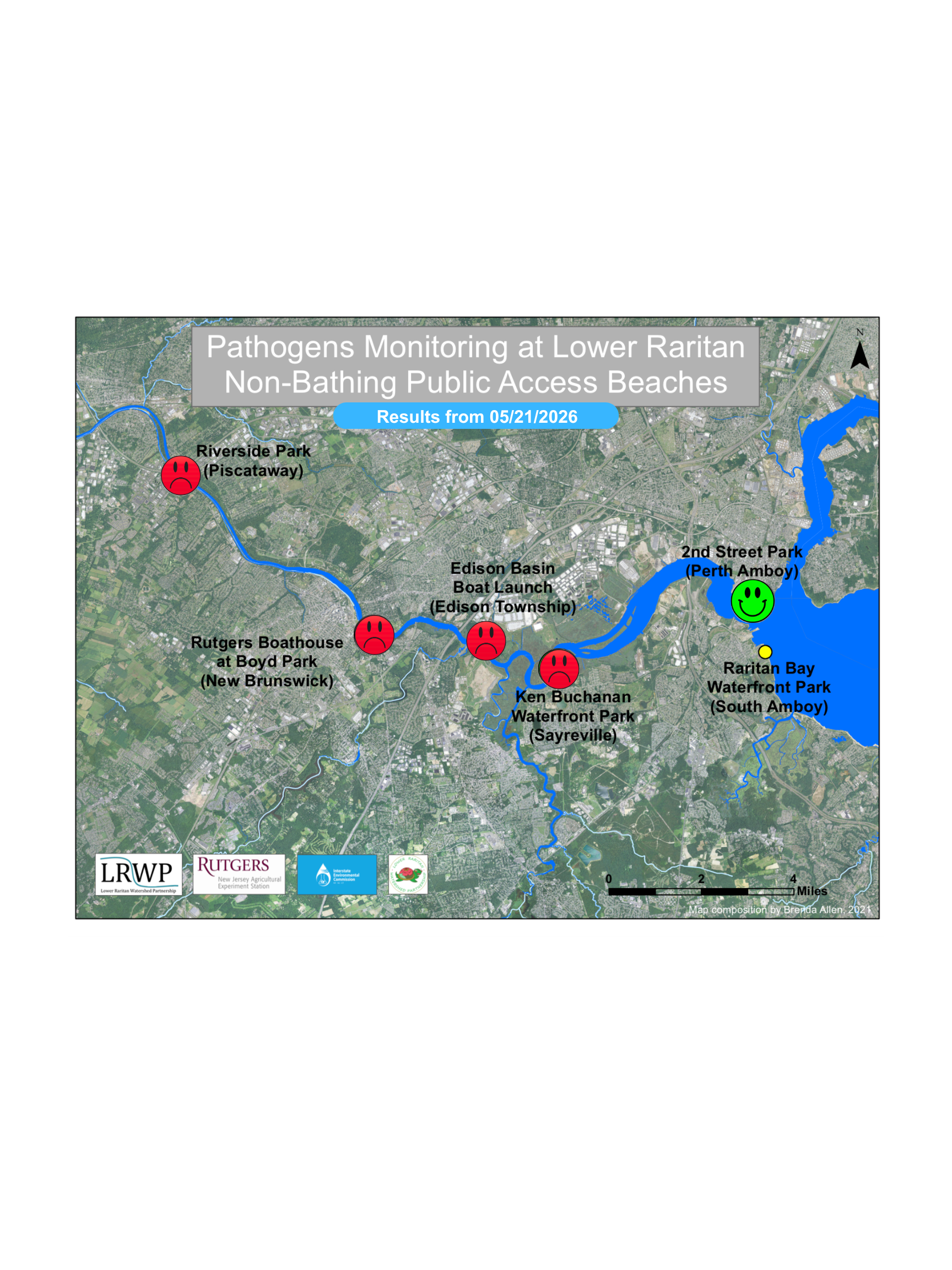
Our lab results for water quality samples taken on Thursday, May 21st, 2026 show Enterococcus bacteria levels exceeding the EPA federal water quality standard of 104 cfu/100mL at four of our monitoring sites this week. Problem sites are indicated by red frowns on the map and chart: Riverside Park (Piscataway), Rutgers Boathouse (New Brunswick), Edison Boat Basin (Edison), Ken Buchanan Waterfront Park (Sayreville). Green smiles on the chart and map indicate the sites with bacteria levels safe for recreation, and include the following: 2nd Street Park (Perth Amboy). For South Amboy, we were unable to analyze enough fluid to complete the membrane filtration process required to measure Colony Forming Units. We have therefore marked that site with an asterisk. Statistical analysis of the sample produced a ‘Most Probable Number’ of 97 enterococci per 100 mL. If this estimate is correct, it would place South Amboy right at the border of acceptable levels of bacteria, so please proceed with caution.
Pathogens/Enterococci levels are used as indicators of the possible presence of disease-causing bacteria in recreational waters. Such pathogens may pose health risks to people coming in primary contact with the water (touching) through recreational activities like fishing, kayaking or swimming in a water body. Possible sources of bacteria include Combined Sewer Overflows (CSOs), improperly functioning wastewater treatment plants, stormwater runoff, leaking septic systems, animal carcasses, pet waste, wildlife waste, and runoff from manure storage areas.
Rainy weather, such as the Thunderstorm we saw on Wednesday evening, often flushes fecal matter into our waterways, and so it is not surprising that so many of our sites failed to meet the safe standard for primary contact.
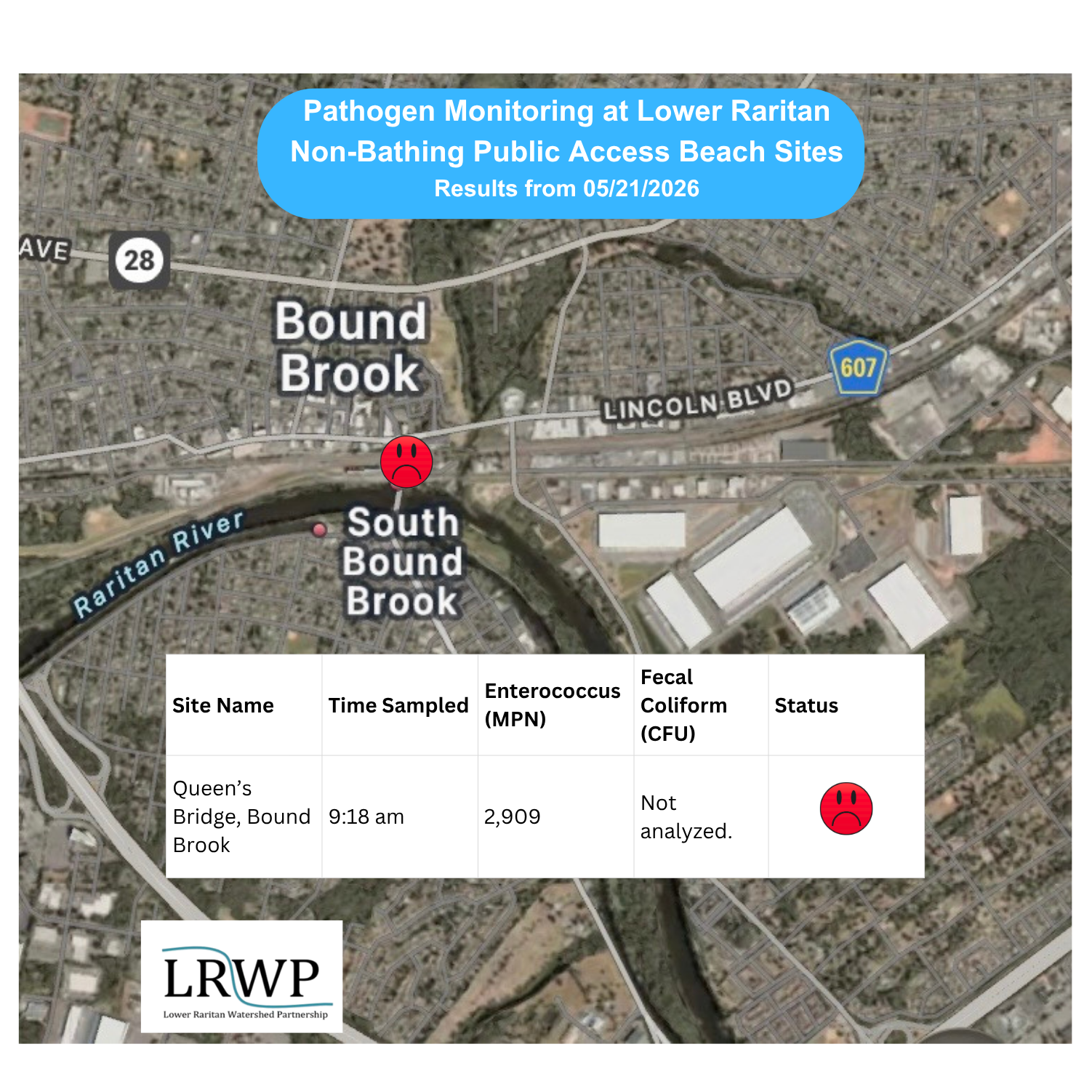
In order to better understand why Riverside Park, Piscataway is our worst performing site over the past six years, we have started sampling further upstream. On May 21st, we sampled the Queen’s Bridge in Bound Brook. The lab analysis produced an estimate of 2,909 enterococci per 100 mL.
Our goal in reporting these results is to give residents a better understanding of the potential health risks related to primary contact during water-based recreation. If you are planning on recreating on the Raritan this weekend, make sure to stay safe and wash up after any activities!