
Restoring the Riverside Park Riparian Zone
by Nilesh Bhat, with guidance from Olesya.
The riverbank at Riverside Park presents an opportunity to restore a thriving native ecosystem while strengthening the health and resilience of the Raritan River. Although the area is currently maintained as closely mowed grass with only a few scattered trees and shrubs, this landscape provides only a fraction of the ecological benefits that a healthy riparian zone can offer. By reestablishing native vegetation along the river’s edge, the park can once again serve as a vibrant natural buffer that benefits both wildlife and the surrounding community.
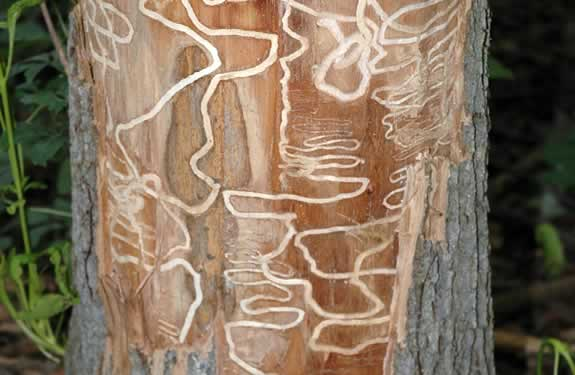
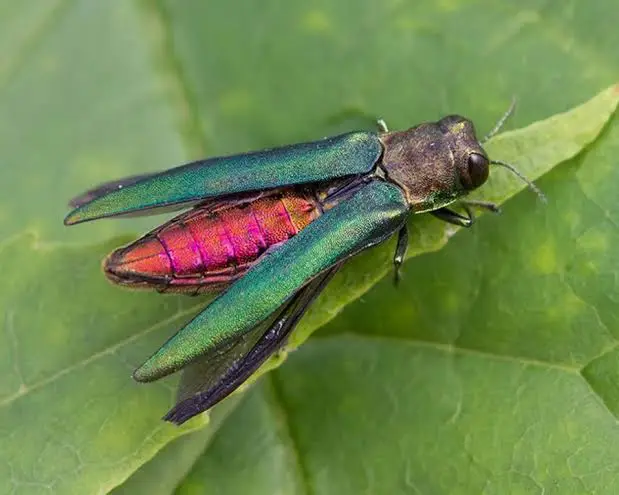
In partnership with Sewa International, the Lower Raritan Watershed Partnership (LRWP) seeks to establish a diverse native canopy by planting floodplain-adapted tree and shrub species including Swamp White Oak, American Sycamore, River Birch, Black Willow, Buttonbush, Flowering Dogwood, Alder, and Pin Oak. Young trees will be protected from deer and goose browsing while they become established, allowing them to develop into a resilient and self-sustaining forest. These native species will also help restore ecological functions lost throughout New Jersey as ash trees continue to disappear because of the invasive emerald ash borer.
As the canopy matures, its extensive root systems will stabilize the riverbank, reducing erosion caused by heavy rainfall, flooding, and river currents. The restored vegetation will capture and filter stormwater runoff before it reaches the Raritan River, reducing the amount of sediment, excess nutrients, and other pollutants entering the waterway. These improvements will contribute to cleaner water, healthier aquatic habitats, and a more resilient watershed.
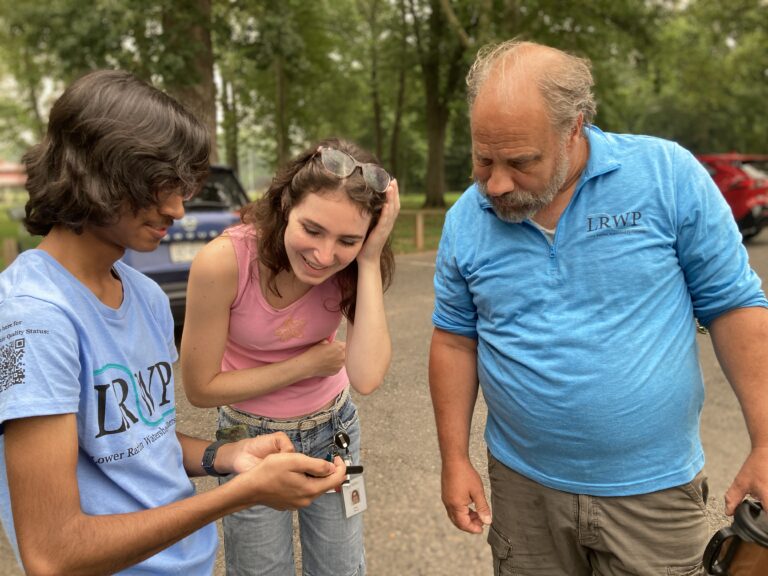
The restoration will transform the riverbank into valuable habitat for native wildlife by providing food, shelter, and nesting opportunities for birds, pollinators, amphibians, and countless other species. Increased tree cover will expand carbon storage, moderate summer temperatures through natural shade, and enhance the scenic beauty of Riverside Park, creating a landscape that is both environmentally functional and welcoming for visitors. The restored area will also serve as a living demonstration of the importance of native riparian forests, offering educational opportunities that highlight the vital role these ecosystems play in protecting water quality, supporting biodiversity, and strengthening the long-term health of the Raritan River.
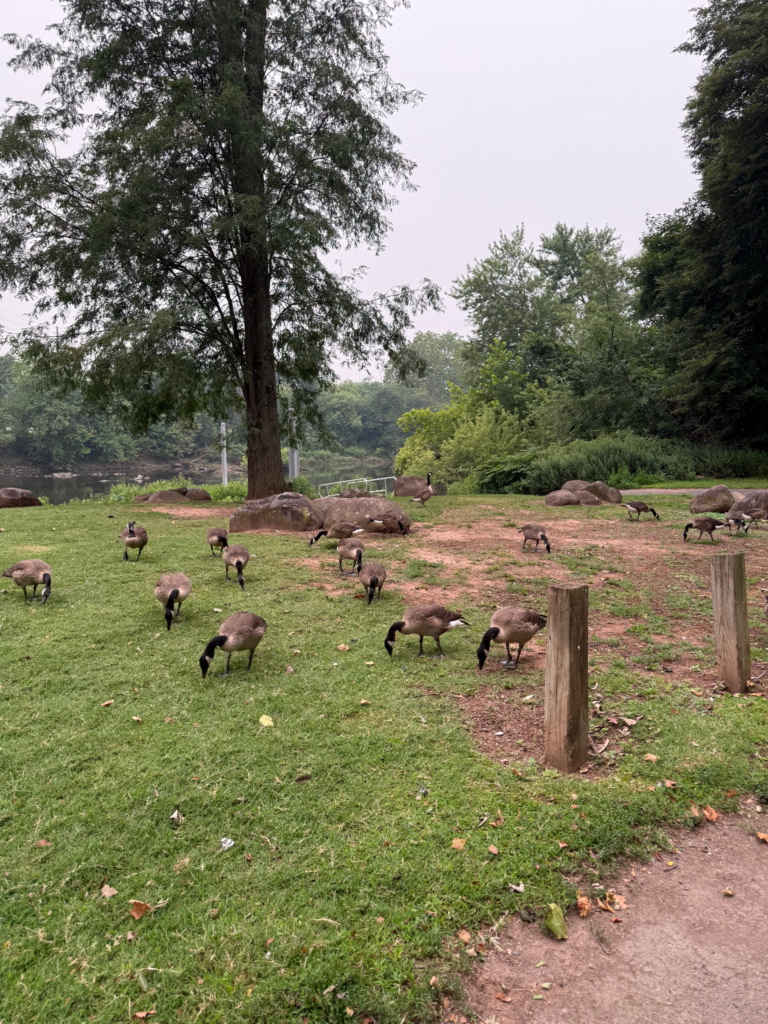
The existing open lawn also encourages heavy concentrations of Canada geese and frequent browsing by white-tailed deer. Because the riverbank is maintained as closely mowed turf, it provides an ideal feeding area where vegetation is often grazed down to bare soil. The resulting patches of exposed ground diminish the park’s natural beauty, contribute to soil erosion, and make it more difficult for healthy vegetation to become established. By restoring the riverbank with native trees, shrubs, grasses, and wildflowers and managing it as a no-mow zone, the landscape will become less attractive as a grazing area while providing more appropriate habitat for wildlife. This balanced approach will protect newly established vegetation, reduce excessive grazing pressure, and create a healthier, more visually appealing riverfront that better supports both wildlife and the long-term health of the park.
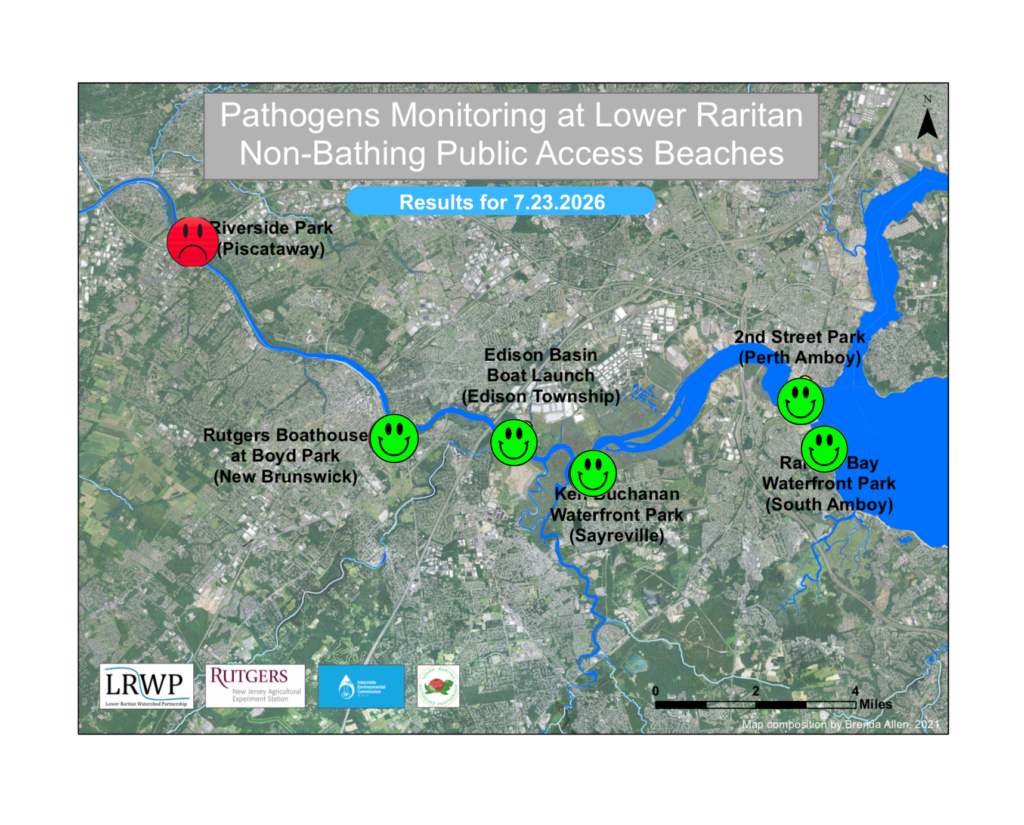
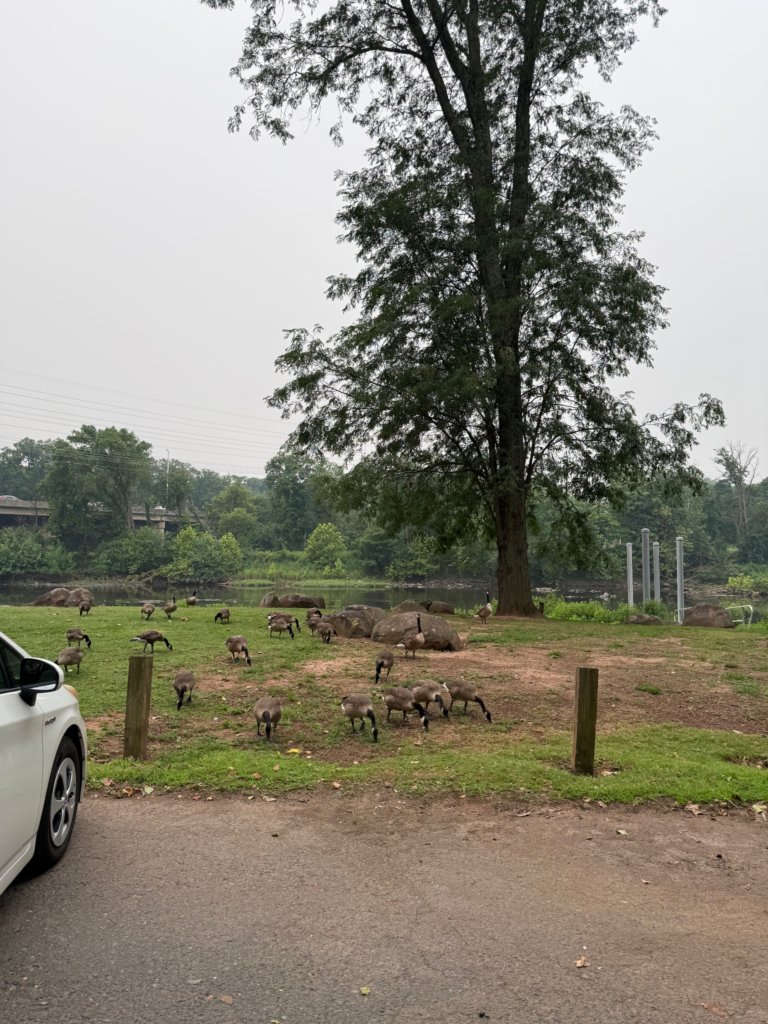
To ensure the success of the restoration, the planted area will be designated as a permanent no-mow zone. Allowing native grasses, wildflowers, shrubs, and young trees to grow naturally will protect developing vegetation while creating essential habitat for pollinators and other beneficial wildlife. Taller vegetation along the riverbank will also discourage large numbers of Canada geese from congregating near the shoreline, helping reduce grazing pressure on newly planted vegetation while minimizing conflicts between geese and park visitors. Establishing this natural buffer will allow the restored ecosystem to flourish with minimal long-term maintenance, creating a healthier, more resilient, and more beautiful riverside landscape for generations to come.
