March Wings
Essay and photos by Joe Mish
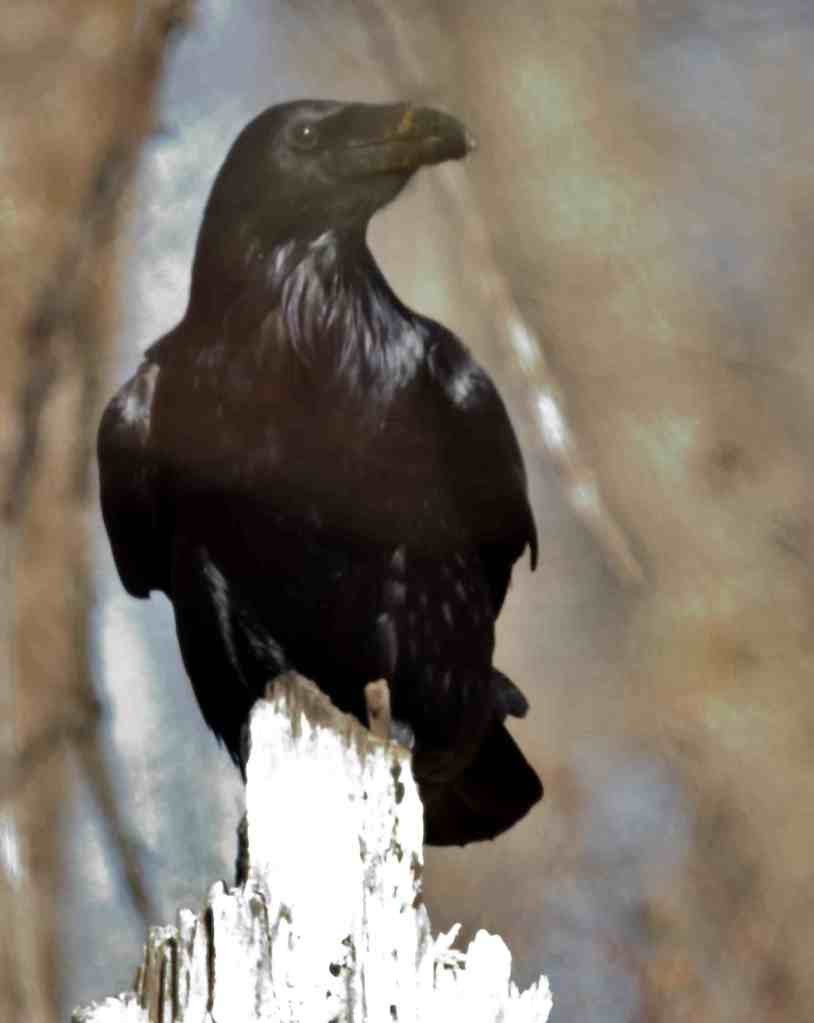
“The winds of March beneath my wings to herald the song the bluebird sings”, quoth the raven, as she charms the month to deliver the spring.
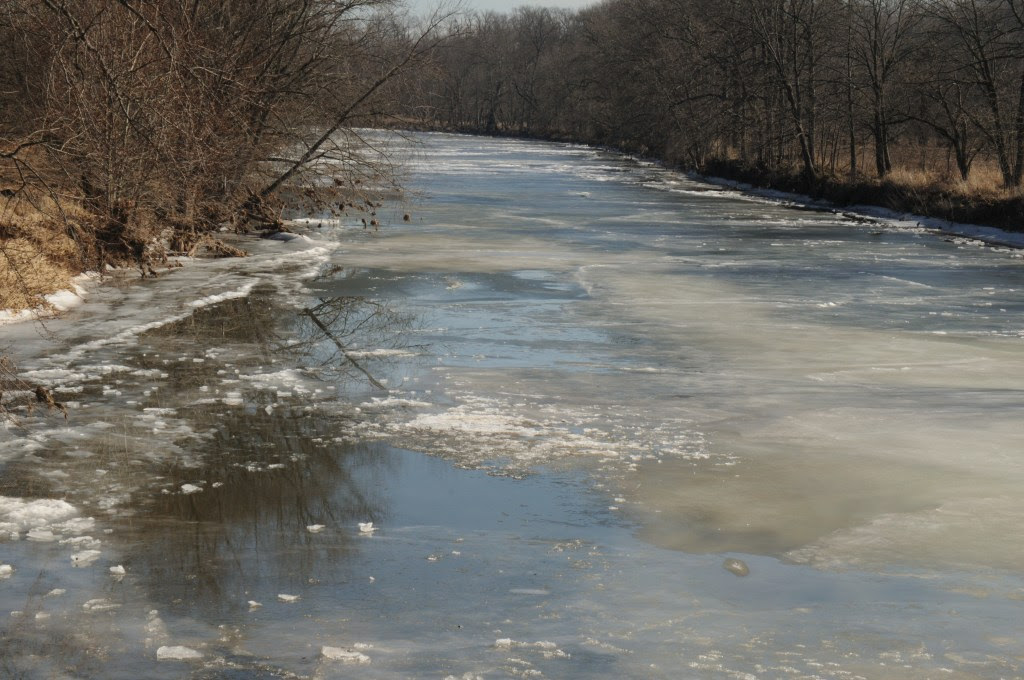
March stages the battle between the last frozen screams of winter wind and the warm breath that whispers spring’s arrival.
Through the turmoil visited upon the land by extreme expressions of weather, the earth tilts, to avert its glance from winter. As a result, celestial light increases in duration to overcome the dominance of winter darkness. The instant before the light overtakes the dark, the universe comes into perfect balance known as the vernal equinox.
This moment of equilibrium recognizes the dark and the light as a single entity, not in conflict, but in concert, to direct the orchestra of life on earth. The periodicity of the light is the one constant and critical reference point to guide all living things through the vagaries of seasonal change.
Predictability of the future is a critical survival tool when unpredictable physical conditions prevail. Before March can remove her winter coat of snow to melt in the heat of the sun, the march to spring is underway, guided by the beckoning light.
This is best illustrated in seasonal migration where species have evolved receptor organs to monitor increasing daylength and react. No matter the weather, the events of emerging life are kept on schedule.
Situated on the Atlantic flyway, a major bird migration route, many examples of distant travelers grace us with their presence. Our rivers are the off ramps from this major highway, with both north and south transients.
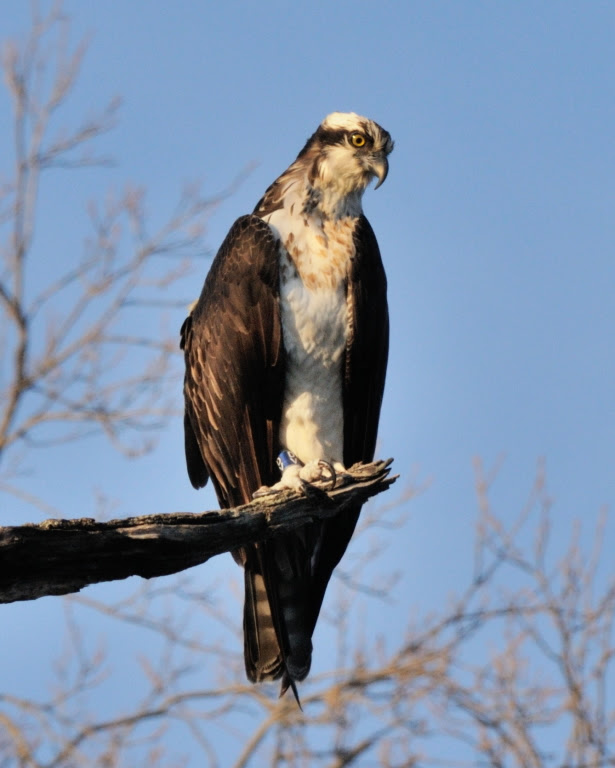
Locally, the South Branch of the Raritan River was chosen as a stop over in one osprey’s journey from Maine to central America, and back to Maine to breed each year. The blue leg band indicated the osprey was born in Maine on a bulkhead in Portland harbor, where it was banded shortly after hatching. This osprey traveled many thousands of miles in the few short years of its life. Its itinerary determined by a choreography of intricate movements of celestial bodies, held in equilibrium to each other by the invisible force of gravity.
Science aside, flocks of feathered reminders deliver the guarantee of spring as anticipation grows with increasing daylength. Grackles and starlings form large monochrome, black flocks, blotting out the sky, to deliver their message. Often these flocks perform incredible jaw dropping, synchronized flight maneuvers, involving hundreds of birds turning and pivoting as if they were one. The impromptu displays of co-coordinated flight are known as a murmuration.
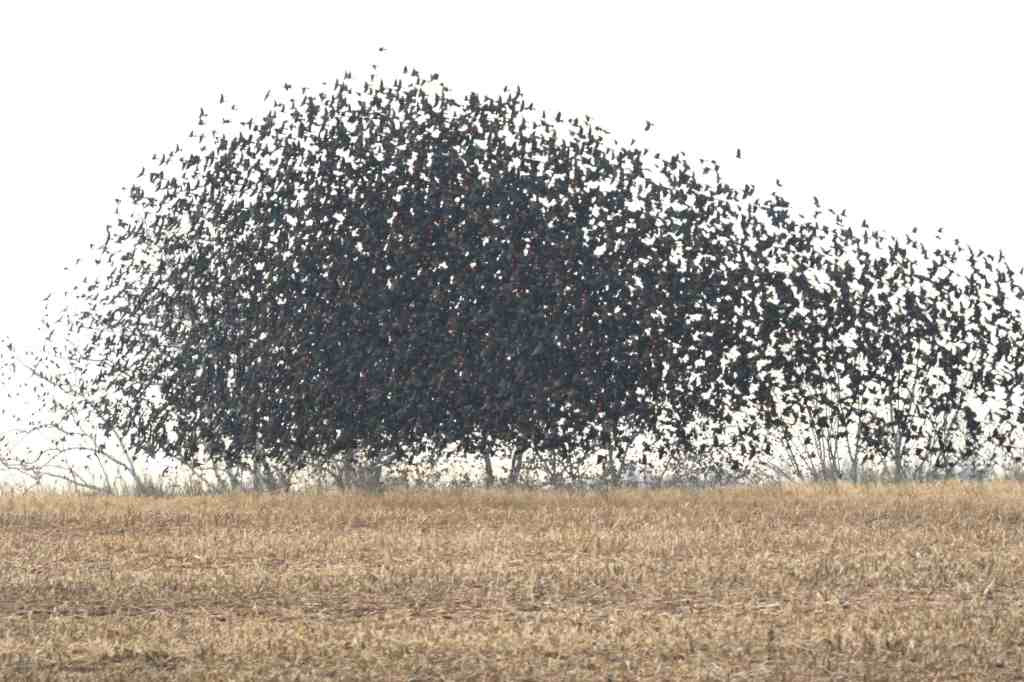
Mesmerizing aerial acrobatics defy explanation to temporarily reside in the realm of magic. A sure attention getter to alert the viewer to the change in season.
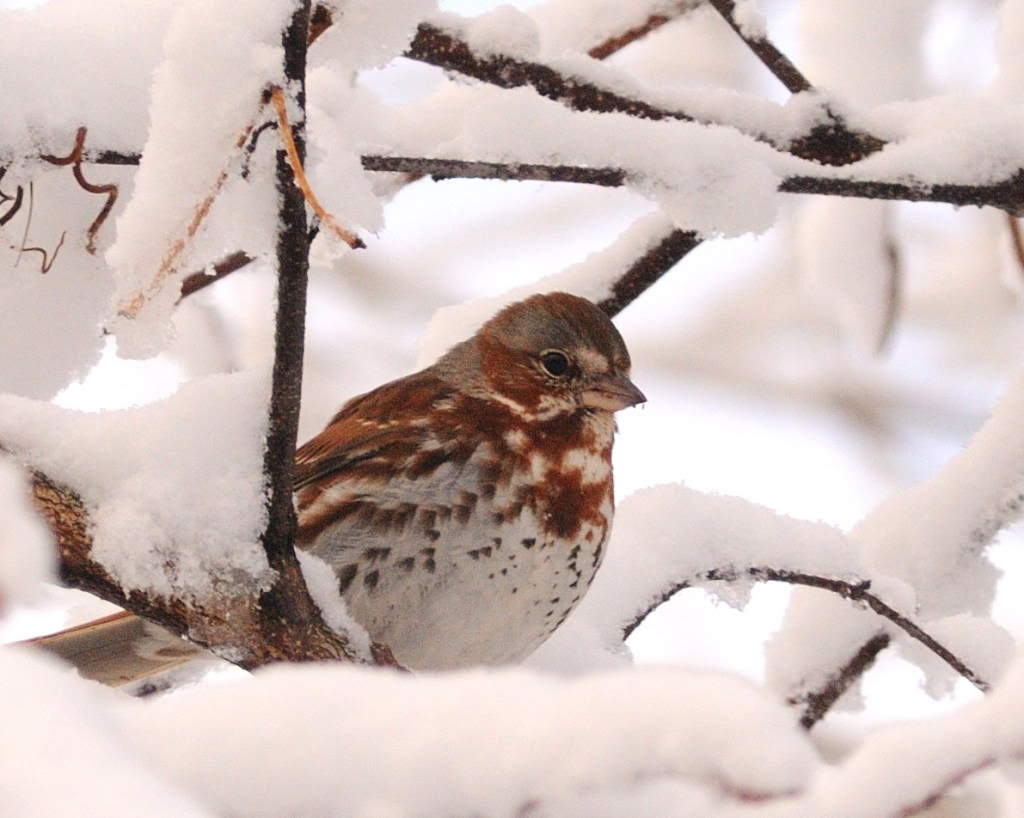
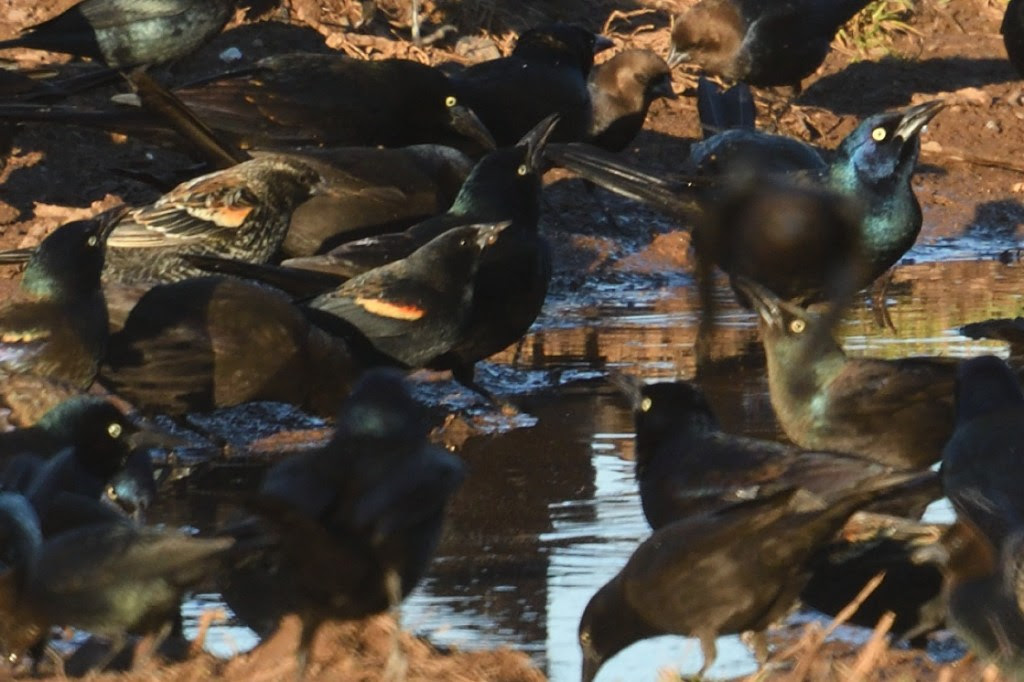
Like a black throw rug on a white carpet of early spring snow, the message is clear when a flock of grackles land and scour the ground to fuel their journey north. On occasion, red wing blackbirds join the large flocks to relieve the unbroken black feathered pall with slashes of intense red and yellow decorating their wing coverts.
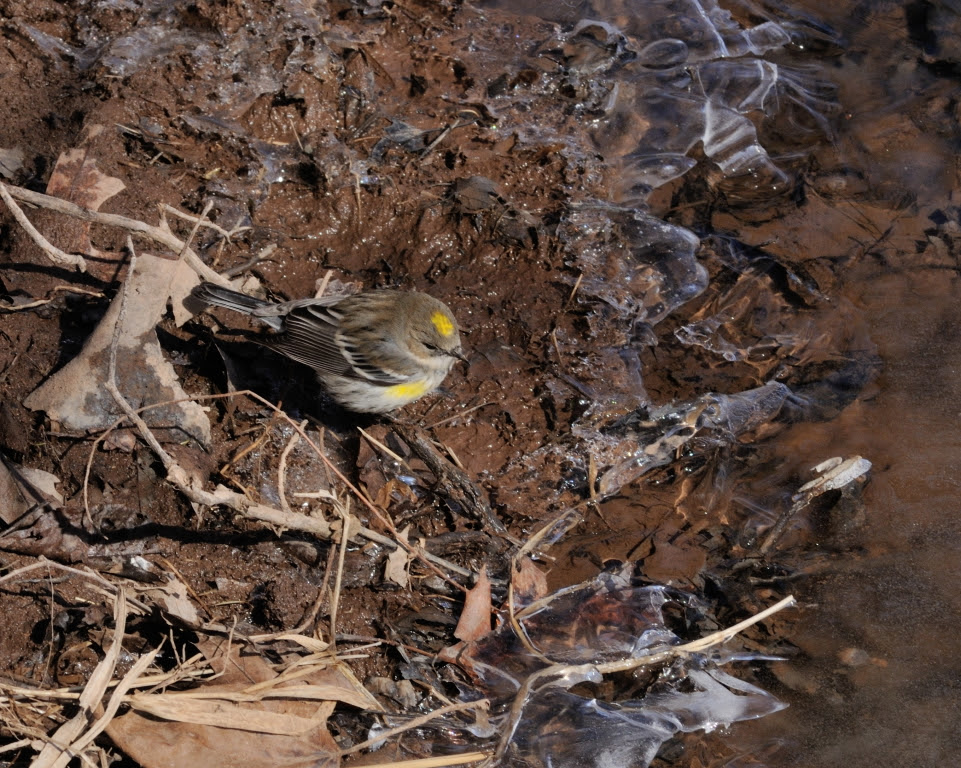
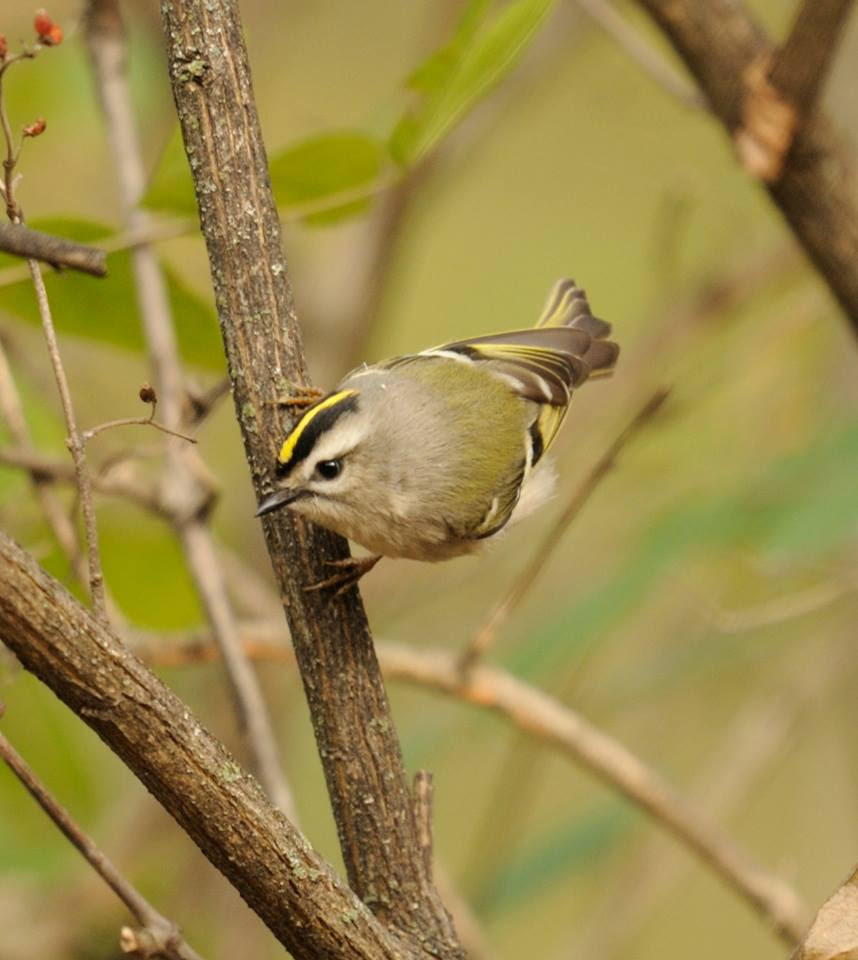
The peak migration is marked by the parade of colorful warblers passing through. The profusion of patterns and colors draws in observers to scan the tree tops for these fragments of color. Just the names are enough to arouse curiosity, yellow throat, myrtle warbler, black and white warbler, magnolia warbler, American redstart, chestnut sided, blackburnian warbler are just a partial list of diminutive packets of flying color you would never know existed if not made aware of their spring migration. These birds pass through in small groups rather than large flocks and so provide an extended viewing season and endless variety of species.
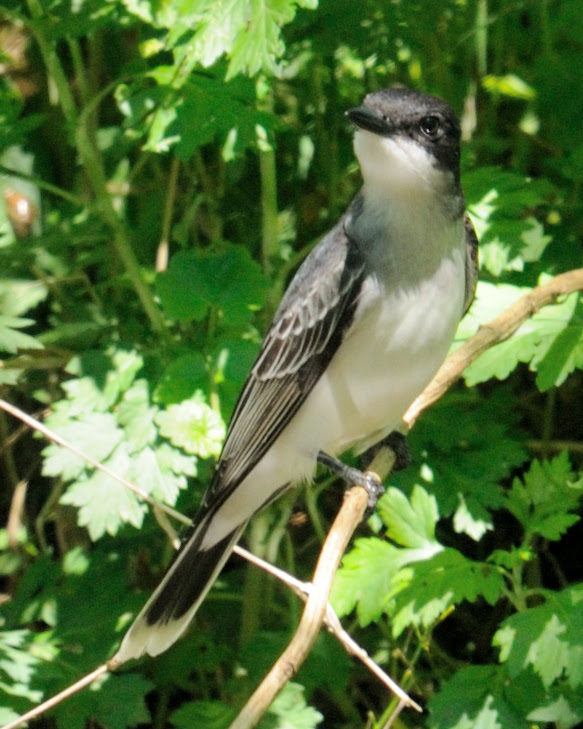
First to settle in for the season along pasture and river are the flycatchers and phoebes. King birds so named as being the largest of the flycatchers, rule the grassland edges and are commonly seen along roadside pastures. White breast, dark cape and head, and a narrow white band along the edge of the tail feathers. These birds will hover above potential insect prey and are easy to identify by this behavior.
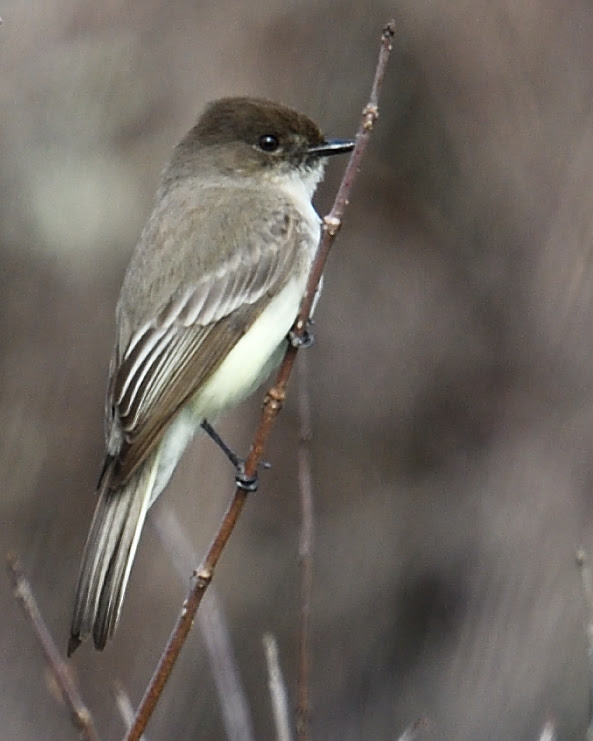
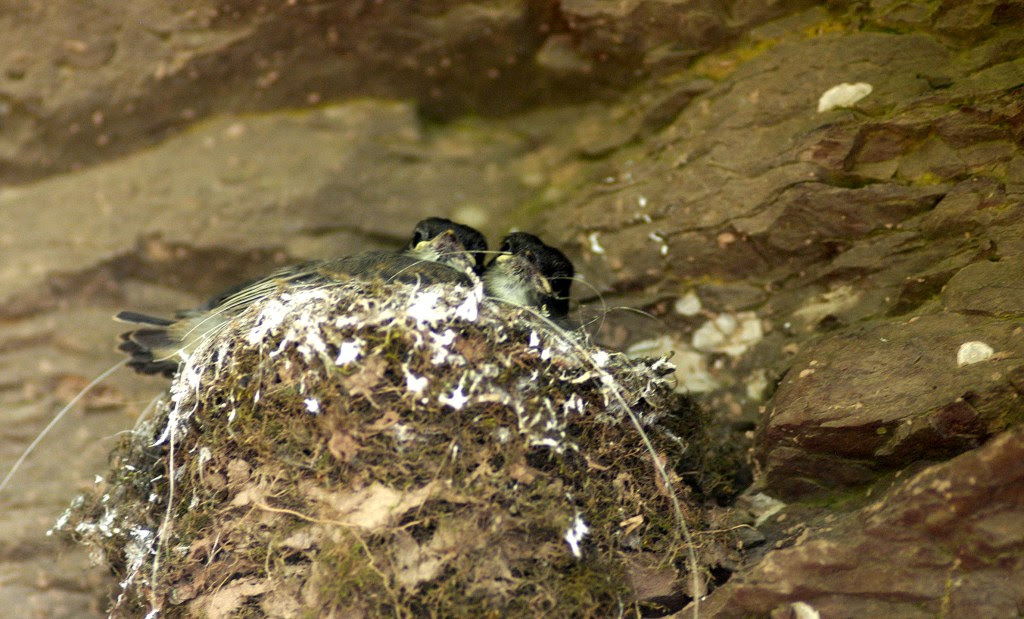
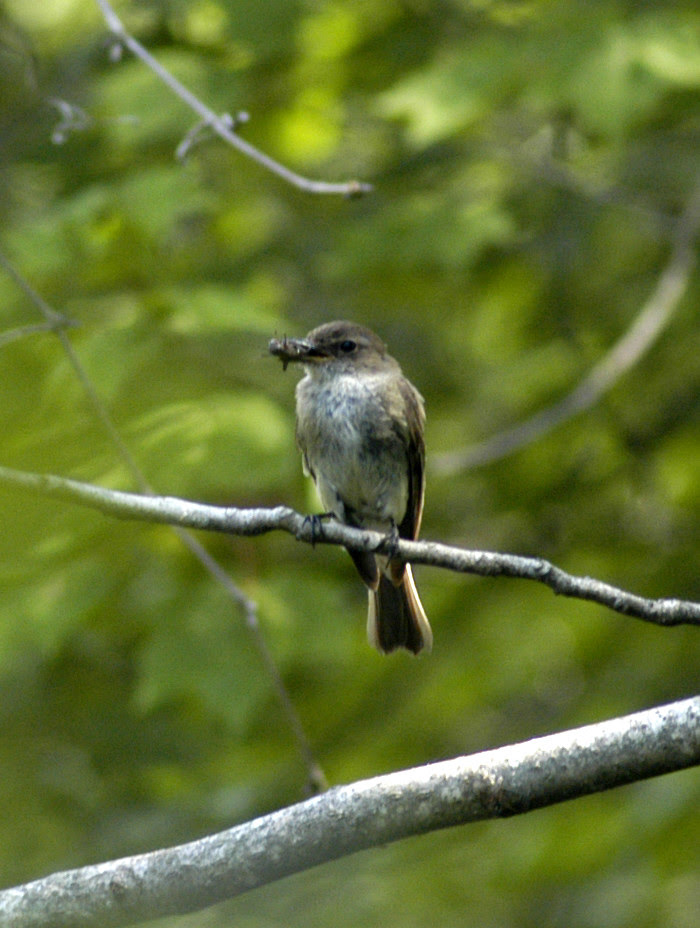
Phoebes are also flycatchers, and live along the water’s edge. They share the same general gray and white coloration as kingbirds and other flycatchers, and have a distinctive habit tail twitching. One year a flycatcher constructed a nest on the vertical wall below a cove like overhang in a red shale cliff. The nest was well protected from the weather and just out of reach of spring floods. How the nest was secured to that vertical wall still mystifies me. An early season start ensured her nesting season and two flycatchers were fledged.

In like a lion, out like a lamb, the dichotomy of this month’s personality is legend. March is the perfect candidate to host the last gasp of winter and the emergence life from its frozen grasp.
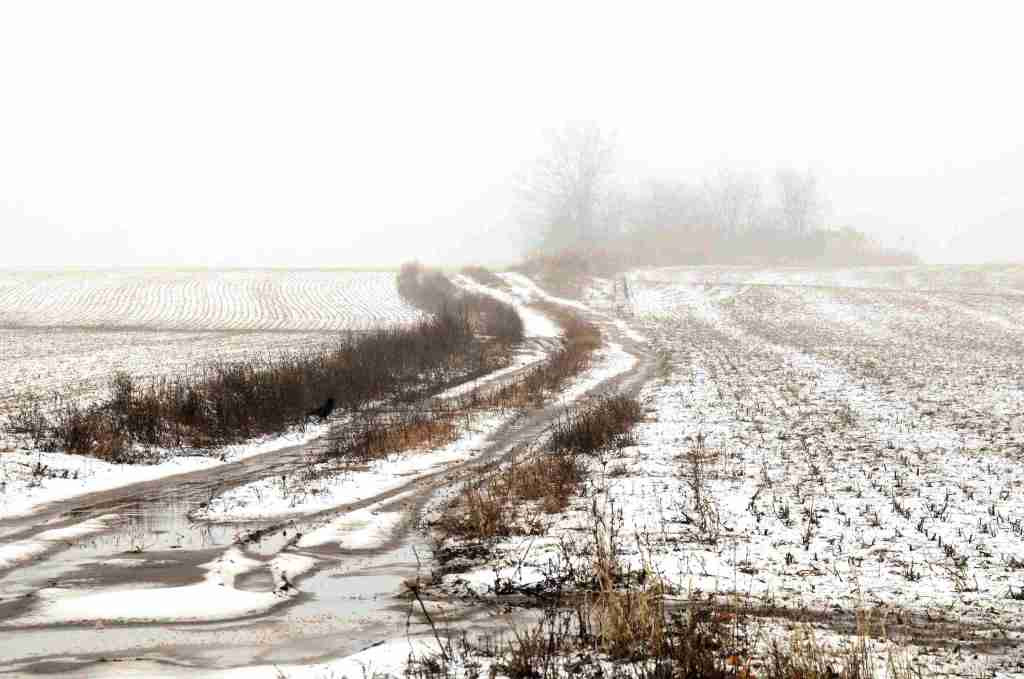
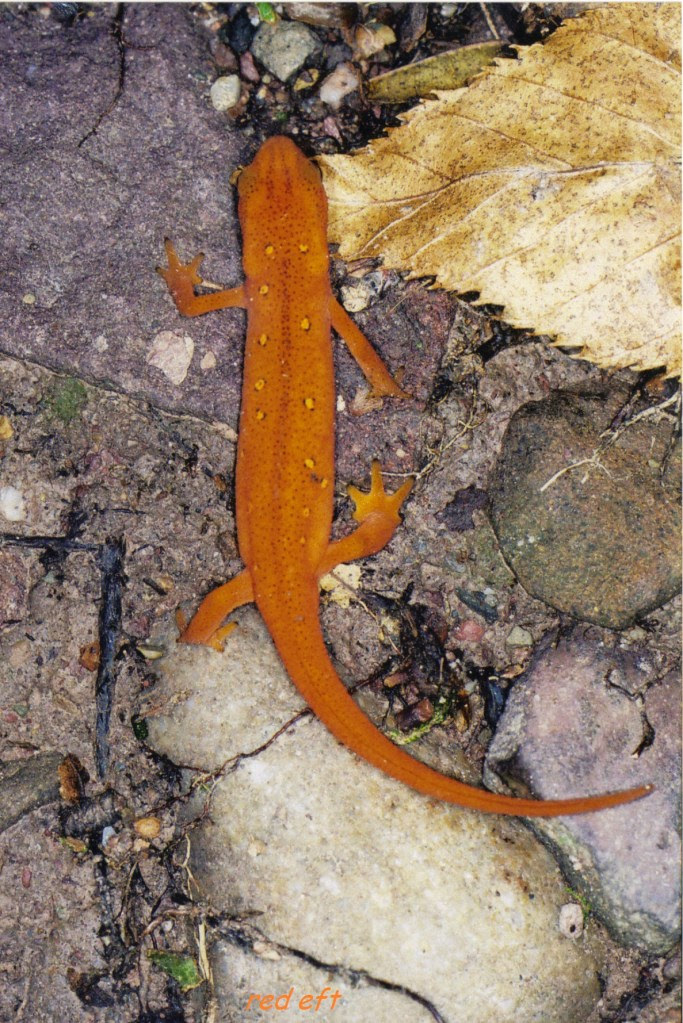
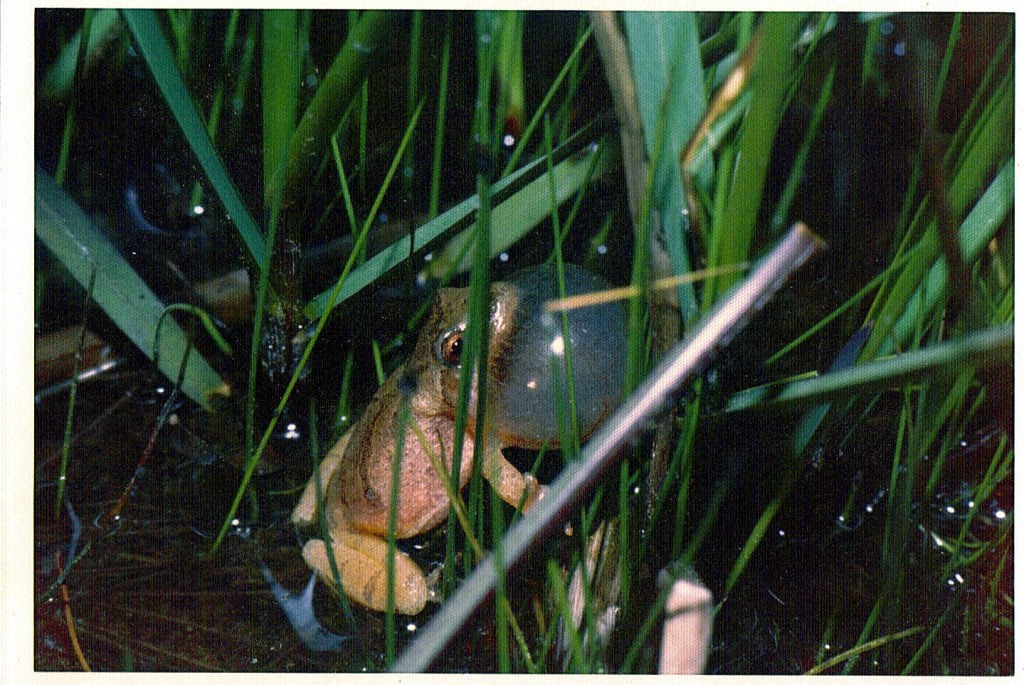
March is mud season. Snow fades to reveal the gravid earth
“The winds that accompany the arrival of spring have been known to be so strong, that the letters in the month of MARCH, were scattered and realigned, to reveal its essential CHARM”. So quoth the raven.
Author Joe Mish has been running wild in New Jersey since childhood when he found ways to escape his mother’s watchful eyes. He continues to trek the swamps, rivers and thickets seeking to share, with the residents and visitors, all of the state’s natural beauty hidden within full view. To read more of his writing and view more of his gorgeous photographs visit Winter Bear Rising, his wordpress blog. Joe’s series “Nature on the Raritan, Hidden in Plain View” runs monthly as part of the LRWP “Voices of the Watershed” series. Writing and photos used with permission from the author.